
Jan 31, 2026
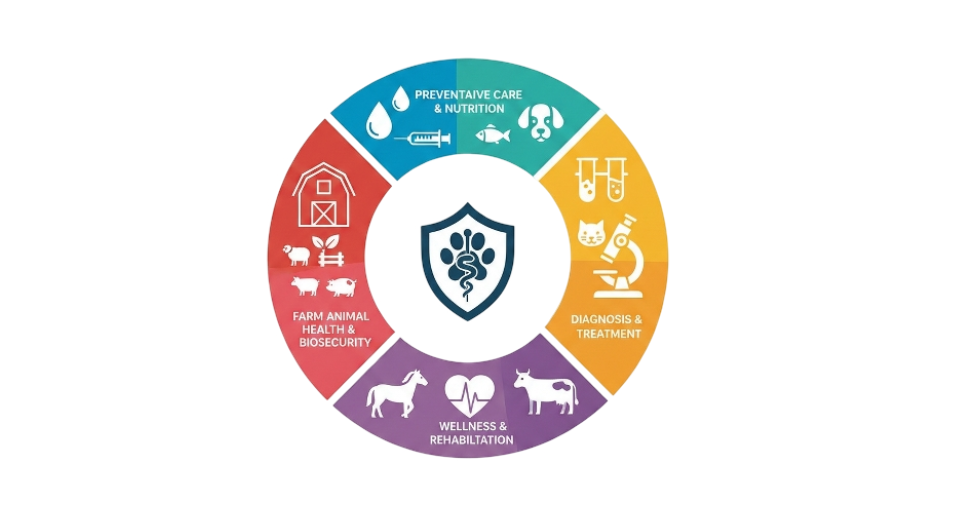
The report “Animal Health Market By Product Type (Animal Pharmaceuticals, Animal Feed Additives, Animal Nutrition & Supplements, Animal Diagnostics), By Animal Type (Companion Animals, Livestock, Aquaculture), By Application (Therapeutics & Disease Management, Growth & Performance Enhancement, Preventive Healthcare), By Distribution Channel (Veterinary Clinics & Hospitals, Online Retail, Retail Pharmacies, Distributor & Wholesale Channel)” is expected to reach USD 99.50 billion by 2033, registering a CAGR of 6.70% from 2026 to 2033, according to a new report by Transpire Insight.
Nowhere else does care stretch so far beyond humans as it does in vet medicine, where pets, farm stock, and sea life all depend on steady advances. Because people pay closer attention to how animals live, what they eat, and how diseases spread, demand rises for better medicines, tests, shots, and feeding strategies. Instead of waiting until sickness strikes, more effort now goes into staying ahead, catching problems before they grow. What once followed illness now tries to sidestep it entirely.
These days, more people keep pets. Because of that, spending on vet visits climbs steadily. Vaccines matter more now than before. Tests help catch problems early. Good food keeps animals strong longer. Farms watch their animals closely, too. Health routines cut down sickness among herds. Fish farms follow similar steps for better results. Rules change often, so farmers adapt fast. Staying ahead means fewer setbacks. Care plans boost output across species. Preventing illness saves money in the long run.
From better tests to smarter medicines, tech upgrades quietly reshape how animals get cared for. Vaccines now evolve faster, while new food supplements support stronger immune responses, each piece fitting into a larger puzzle. Digital tools track symptoms earlier, often before problems spread. Working together, clinics, drug makers, and labs share insights that stretch further than solo efforts ever could. Growth does not follow suddenly, but consistently - spreading through different parts of the world at varying paces.
The Animal Pharmaceuticals segment is projected to witness the highest CAGR in the Animal Health market during the forecast period.
According to Transpire Insight, Animal medicine markets are growing fast because more pets, farm animals, and fish need reliable care and protection. Infections and parasites are spreading more often now, which pushes owners to act early with help from vets. Vaccines, antibacterial meds, pain relievers, and parasite controls see higher use as health knowledge improves. With illness control depending so much on medical products, clinics and farms keep pouring resources into these supplies.
Fewer trips to the doctor drive new medicine designs that prevent illness before it starts. Because treatments now last longer, patients take them more reliably, boosting results without extra effort. Vaccines grow smarter, acting faster while hitting only problem areas inside the body. Rules around safe food rise tighter, pushing firms to protect animals better than before. In places where vet care just arrived, demand shoots up as clinics open doors once shut. New drugs spread fast, not by choice but because need pulls harder every year.
The Companion Animals segment is projected to witness the highest CAGR in the Animal Health market during the forecast period.
More people keeping pets drives quick expansion in the companion animal sector. Because owners treat animals like family members now, care standards have risen sharply. Regular checkups matter more than before; prevention often comes first. Veterinary visits grow common, treatments advance steadily. Health improvements aim at longer lives for dogs, cats, and others. Vaccines see a higher need alongside medicine and testing tools. Special diets shaped for individual species are gaining strong interest. Demand climbs fast across drugs, lab work, and wellness plans. Longer lifespans depend partly on these medical upgrades. Owners invest time and resources into the overall well-being.
Folks have more money to spend now, which helps explain why spending on pet care keeps going up. Veterinary clinics reach more people than before, thanks partly to better locations and mobile units popping up in overlooked areas. Spotting sickness early matters more today, so owners act faster when something seems off. New treatments appear regularly, often tested first in cities where vets embrace change more quickly. Online checkups and app-based monitoring join hands with physical visits, reshaping how care gets delivered. High-end food, wearable trackers, and even dental plans, these are not rare anymore, especially where sidewalks stay crowded. Pets sleep on beds, eat scheduled meals, and get birthday treats; calling them "family" is not just talk, it shapes daily choices. This emotional bond pushes steady funding toward vet bills, supplements, and routine scans. Year after year, that pattern lifts the whole market for dogs, cats, rabbits, and others who share our homes.
The Preventive Healthcare segment is projected to witness the highest CAGR in the Animal Health market during the forecast period.
According to Transpire Insight, Home visits by vets are less common now, so clinics stay busy checking pets and farm animals alike. Because more people trust trained professionals, these places handle everything from shots to surgeries. As owners want better medicines and tests for their animals, the need grows quietly but surely. Care centers adapt without fanfare, focusing only on what each creature needs. Their work expands not through ads or talk, but through steady daily effort.
Now more than ever, vet clinics plug into high-tech scanners, digital files, and focused treatments, sharpening how fast and well they work. Big hospital setups with several experts under one roof, backed by national networks, lift the whole field. Skilled staff show up more often where they are needed, thanks to better training paths. When pets get sick, owners now lean on established clinics that handle everything in one place. This shift sticks around, feeding a steady rise through the years ahead.
The Veterinary Clinics & Hospitals segment is projected to witness the highest CAGR in the Animal Health market during the forecast period.
Growth looks likely in veterinary clinics and hospitals since they are where most animal health checks, treatments, and prevention steps begin. Because more pets and farm animals need expert vet help, things like checkups, shots, tests, or therapy places stay busy. What happens inside them often sets the pace for how meds and complex care reach animals. Trust runs high here when it comes to giving out prescribed drugs or using newer medical methods.
Now a fresh wave of upgrades hits vet clinics and hospitals, nudging the sector forward. New tools for diagnosis appear alongside electronic patient files, while dedicated treatment zones take shape, each step sharpening how care unfolds. Big animal health networks spread wider; cash flows into buildings, gear, and staff spaces. All of it layers up, setting the stage for steady movement ahead when the coming years unfold.
The North America region is projected to witness the highest CAGR in the Animal Health market during the forecast period.
Across North America, a solid network of veterinary services keeps the area ahead in animal health. Because people pay close attention to how animals are treated, there is steady pressure to keep improving care standards. Advanced medicines, testing tools, and immunizations show up often in clinics for pets and farm animals alike. Owning pets is common here, which naturally leads to more visits to veterinarians. This habit fuels the ongoing need for treatments, checkups, and related supplies. What stands out is how normal prevention has become in daily animal management.
Major players in animal health operate here, while solid R&D efforts pair with supportive regulations to fuel regional momentum. Because new vet tech draws more funding, clinics spread across the landscape, boosting overall reach. Safety concerns around meat and disease control push tighter farm practices, which lifts demand further. With fresh solutions emerging steadily, care access widens quietly beneath the surface. Leadership stays anchored in North America, likely holding firm through the years ahead.
Key Players
Top companies include Zoetis, Elanco Animal Health, Boehringer Ingelheim Animal Health, Merck Animal Health, Bayer Animal Health, Ceva Santé Animale, Virbac, Vetoquinol, IDEXX Laboratories, Phibro Animal Health Corporation, Dechra Pharmaceuticals, Neogen Corporation, Norbrook Laboratories, HIPRA, Kyoritsu Seiyaku, Huvepharma, and Zydus Animal Health.
Drop us an email at:
Call us on:
+91 7666513636

 inquiry@transpireinsight.com
 APAC:+91 7666513636
 Address





