
Jan 21, 2026
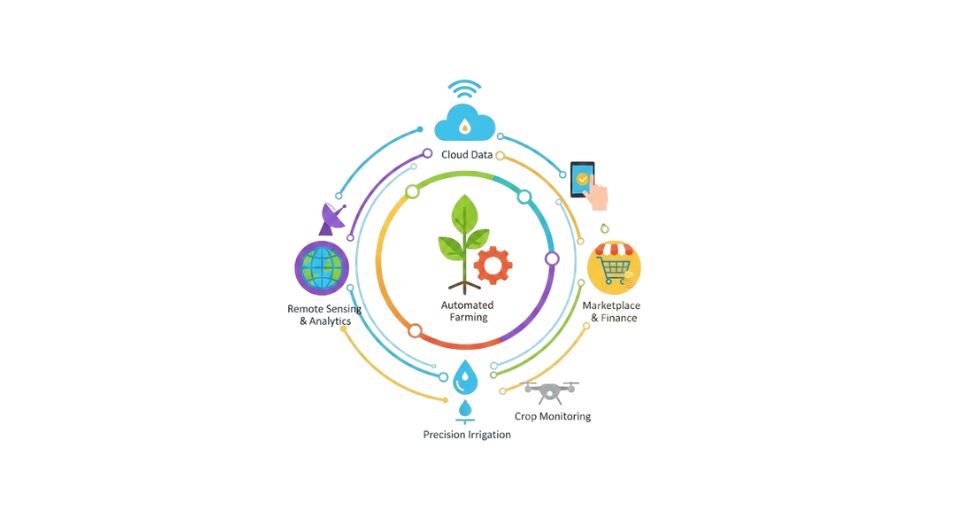
The report “Agritech Platform Market By Platform Type (Farm Management Platforms, Precision Farming Platforms, Market Linkage Platform, Data Analytics & Decision Support Platform), By Component(Hardware, Software, Services), By Application (Crop Monitoring & Management, Soil & Water Management, Livestock & Dairy Management, Supply Chain & Market Access, Financial & Insurance Services), By End-Users (Smallholder Farmers, Commercial & Large Farms, Agricultural Cooperatives, Government & Research Institutions)” is expected to reach USD 27.35 billion by 2033, registering a CAGR of 18.30% from 2026 to 2033, according to a new report by Transpire Insight.
Farm tech tools keep changing fast because farming now uses more digital solutions to tackle problems like output, eco balance, and smarter use of resources. Instead of old methods, software systems bring together features like online data storage, number crunching, smart sensors, even machine smarts, helping growers track animals, plants, daily tasks, plus plan better moves. With these setups, farms can run more smoothly, cut down on wasted supplies, and lessen harm to nature, all within current growing networks.
Fresh data flows straight to screens the moment it is gathered, showing every corner of a working farm. Right when planting happens, systems begin logging each move across fields while watching how soil reacts under changing skies. As machines roll through rows, their rhythms get measured alongside shifting temperatures and moisture shifts. Links between growers and grain traders grow stronger through networks that cut out middle layers. Orders shift faster because delivery routes update live as demand reshapes itself. Price tags adjust thanks to streams feeding current bids into farmer dashboards.
Farming's new direction comes from a growing need for methods that last and can handle stress. Because of pressure to feed more people, officials and companies push tech that tracks crops better while helping the planet. When software learns patterns and runs tasks alone, it fits into today’s farms, big ones and small alike. These systems now matter most where weather shifts fast, and hunger looms.
The Farm Management Platform segment is projected to witness the highest CAGR in the Agritech Platform market during the forecast period.
According to Transpire Insight, not far behind, the Farm Management Platform part of agritech stands out with rising demand fueled by growers turning to digital aids for smoother daily workflows. A single screen pulls together tasks like planting timelines, resource doses, worker shifts, and machinery movement. Because these systems pull in details from different places, choices in the field gain sharper clarity. Growth here ties back to how well it brings scattered info into one clear view.
Fueled by a push toward smarter crop tracking, eco-friendly methods, and tighter budget control, farms large and small are leaning more on digital tools. These systems cut down paperwork, help meet regulations, while boosting output through timely, useful information. With farming evolving fast, such platforms now play a central role, expected to grow faster than other segments in the years ahead.
The Software Solution segment is projected to witness the highest CAGR in the Agritech Platform market during the forecast period.
Among the pieces of the agritech platform market, software stands out for the fastest expansion, with digital tools now deeply woven into how farms operate and choices are made. Right where field decisions happen, apps for managing crops, live tracking systems, and handheld interfaces pull together information fast, show patterns clearly, and offer updates on demand. Because they adapt easily to different sizes and needs, these programs work well alone or connected within wider tech networks across agriculture.
Fueled by a rising need for straightforward tools, cloud-powered systems are gaining ground in modern farming practices. These setups make it easier to apply accurate methods, keep an eye on distant fields, and forecast outcomes through data patterns. Instead of costly gear purchases, many now turn to flexible programs tailored to different farm types. Such access removes early financial hurdles once tied to high-tech upgrades. With more farms shifting toward digital ways, these software options stay at the heart of progress across agri-platforms.
The Crop Monitoring & Management segment is projected to witness the highest CAGR in the Agritech Platform market during the forecast period.
According to Transpire Insight, Growth in the agritech platform market now leans heavily toward tracking and managing crops. Farmers want live updates on how their fields are doing that push drives demand. Data flows in from satellites, drones, and sensors, yet each source adds a piece of the picture. When signs of trouble appear, lack of nutrients, illness, and strain on systems flag them fast. Early warnings mean fixes happen before damage spreads. Outcomes shift because decisions do too.
Fueled by a sharper focus on precise farming methods, gains are mounting fast. Efficiency matters more now than ever before. With sustainability taking root, smarter choices in resource use help cut losses while lifting output across fields. Digital tools reshape how crops are tracked and handled, step by step. Decisions once based on instinct increasingly rely on real-time insights pulled straight from the land. This shift cements monitoring systems as core pieces of modern farm work. Growth ahead looks solid, shaped by needs that will not fade soon.
The Commercial & Large Farms segment is projected to witness the highest CAGR in the Agritech Platform market during the forecast period.
According to Transpire Insight, out in vast fields where tractors move like ants, digital tools are spreading fast among big farming outfits simply because handling thousands of acres gets easier with smart systems. Because decisions rely more on numbers now, machines track everything from soil moisture to animal health without delay. With deeper pockets and wide-ranging tasks, these operations test new tech long before others even hear about it. Efficiency is not just a goal; it shows up clearly in harvest tallies and fuel bills month after month.
Farms demand smarter systems built for massive data loads along with varied daily operations. These agritech setups cut through workflow clutter. They tighten links across suppliers and distributors. Meeting eco targets and legal rules becomes easier too. That role ensures the sector fuels steady market gains right through the outlook window.
The North America region is projected to witness the highest CAGR in the Agritech Platform market during the forecast period.
North America looks set to lead gains in the agritech platform space, with its solid digital networks and quick uptake of new tech fueling interest in unified farm systems. Because modern farms face layered challenges, players along the agriculture pipeline now turn to these platforms for sharper insights, smoother operations, time savings, and better planning. Innovation speeds up when tech firms, scientists, universities, and farming enterprises work closely together, sharing goals, resources, and real-world feedback. These joint efforts shape practical tools that fit actual field needs, pushing wider use across regions.
Fueled by smart farm practices, steady policy backing gives digital methods room to grow where needs meet opportunity. Big-scale farms across North America are leaning into tech fast, helping shape how these systems spread through the coming years. A head start on innovation puts the region at the front line of change when it comes to modern farming tools.
Key Players
Top companies include Corteva, Bayer, Syngenta, Trimble, Deere & Company, Raven Industries, Taranis, Farmers Edge, Tevel Tech, Phytech, Hortau, CropX, Cropin, Intello Labs, Arable, Gamaya, Semios, and Phytech.
Drop us an email at:
Call us on:
+91 7666513636

 inquiry@transpireinsight.com
 APAC:+91 7666513636
 Address





