
Feb 14, 2026
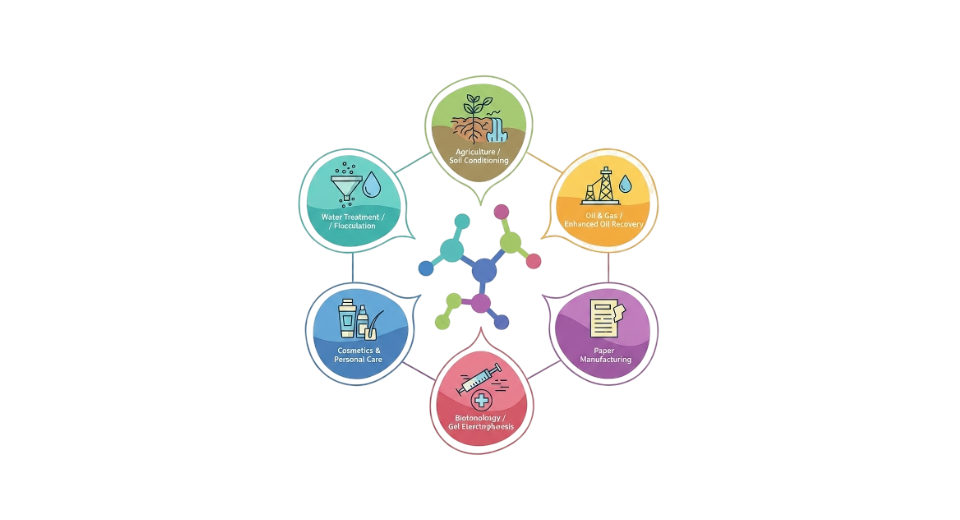
The report “Polyacrylamide Market By Type (Anionic Polyacrylamide, Cationic Polyacrylamide, Non-Ionic Polyacrylamide, Amphoteric Polyacrylamide), By Form (Powder, Liquid, Emulsion), By Application (Water & Wastewater Treatment, Oil & Gas, Mining & Mineral Processing, Paper & Pulp, Agriculture, Others), By End-Users (Municipal Industrial, Oil & Gas Industry, Mining Industry, Agriculture Sector)” is expected to reach USD 10.40 billion by 2033, registering a CAGR of 6.50% from 2026 to 2033, according to a new report by Transpire Insight.
A key player in specialty chemicals worldwide, the polyacrylamide market thrives due to its broad range of roles, clearing suspended particles, boosting viscosity, and even cutting resistance in flowing systems. Though just one type of synthetic compound, it dissolves easily in water and comes as anionic, cationic, neutral, or dual-charged versions, fitting many distinct production needs. Because it excels at separating solids from liquids while keeping mixtures steady, factories across sectors rely on it without much second thought.
Most of the demand shows up in treating dirty water, since polyacrylamide helps clump particles, settle solids, and then squeeze moisture out of sludge. Pressure to clean up rivers plus tighter pollution rules push cities and plants toward better filtration tools this keeps buying steady. Oil drills, mines digging deep, paper mills turning pulp into sheets, also lean on this chemical just to run smoother, grab more output from raw stuff, and fine-tune how they operate behind closed doors.
From city water systems to farms, factories, and mining operations, different users help keep demand steady across regions. Growth gets a boost not just from new roads and buildings but also from rising factory output alongside better plastic materials. Even as rules tighten around emissions and waste, companies shift formulas aiming for longer life spans and lower ecological footprints without sacrificing function. New blends appear regularly, shaped by stricter laws and cleaner goals.
The Anionic Polyacrylamide segment is projected to witness the highest CAGR in the Polyacrylamide market during the forecast period.
According to Transpire Insight, Growth in the anionic polyacrylamide sector may outpace others over the coming years, driven by widespread adoption across water cleaning operations. Because it pulls particles together so well, separating sludge from liquid becomes far more efficient - this matters a lot in city-run plants and factories alike. Rules tightening around waste disposal push facilities to adopt better methods; that shift favors materials like this one. On top of regulation, the need for purified water keeps climbing, giving steady momentum behind its use. Expect continued traction simply because performance matches urgent needs.
Because of its role in mining and mineral work, anionic polyacrylamide sees heavy use - especially when pulling solids from liquids or handling waste slurry. When industries grow, so does their need for materials like this one. Performance stays strong even under tough conditions, which helps explain why demand keeps rising. Even though prices stay low, results remain reliable across many uses. That mix pushes this type forward whenever companies look at polymer options.
The Powder segment is projected to witness the highest CAGR in the Polyacrylamide market during the forecast period.
Because it lasts longer on shelves, stores easily, and moves cheaply, powder form is expected to grow fastest in the polyacrylamide market over the coming years. Not limited by size, big city and factory water plants often pick powdered polyacrylamide, its strong mix level and adjustable dose fit many needs. Though liquids exist, this version holds up well under long-term use. Built for volume work, it lines up smoothly with ongoing production demands.
With its reliable breakdown timing, the powdered type fits well in mining, logging, and drilling jobs. Because cities build more water cleanup systems, they need polymers that work fast without fuss. This kind of usefulness pushes powder ahead as one key force behind market gains for polyacrylamide.
The Waste & Wastewater segment is projected to witness the highest CAGR in the Polyacrylamide market during the forecast period.
According to Transpire Insight, Water and wastewater treatment should grow fastest in the polyacrylamide world over the coming years. Growth comes because more places want better ways to clean water and handle sludge. Instead of just flowing through systems, solids must be pulled out. Polyacrylamide helps clump them together. This happens across city plants and factories alike. Cleaner output matters now more than before. Rules are tightening around pollution. Reusing water wisely has become common sense. Because of these shifts, buyers keep turning to this chemical. Its role fits tightly into modern cleanup methods. Pressure to meet standards pushes usage up year after year. What once was optional now feels necessary in many facilities.
Cities spreading fast, factories growing, both mean more dirty water needing strong chemical cleanups. Because of tighter pollution rules, officials and businesses pump money into better cleaning systems. With less fresh water around, reusing waste water becomes key, pushing demand up. This cleanup push keeps polyacrylamide sales climbing year after year.
The Municipal & Industrial segment is projected to witness the highest CAGR in the Polyacrylamide market during the forecast period.
Expect the fastest growth in the municipal and industrial area of the polyacrylamide market over the coming years, as cleaner water needs push that trend forward. Water facilities now lean more on polyacrylamide because it pulls particles together and removes sludge effectively. With cities growing, waste levels rise too. More factories add even greater pressure. All this means chemicals like polyacrylamide get used a lot more often.
Factories that make goods, process food, produce chemicals, or generate power all need reliable ways to clean wastewater, and meeting legal rules drives much of this need. Because laws push cleaner operations, better plumbing, and steady funding go into managing water wisely. When reusing water turns from an option to a priority, cities and factories alike lean more on solutions like polyacrylamide. This shift keeps the sector active, shaping how the material moves forward over time.
The North America region is projected to witness the highest CAGR in the Polyacrylamide market during the forecast period.
Growth in North America’s polyacrylamide market looks set to climb at a solid pace, thanks to modern water cleaning systems and tough eco rules. Because treatment networks for city and factory waste are already widespread here, this chemical finds heavy use pulling solids out of dirty water. Older facilities getting makeovers bring more money flowing into updates keeps purchases going.
Fuel drilling and digging deep into the earth keep gulping down polyacrylamide, mainly because it helps pull more crude from tired wells and sort rocks faster. Because officials will not look away when factories dump sludge or waste, companies stick with solutions that meet rules quietly. With sharp eyes still on green laws and smoother production lines across the United States and Canada, demand for this chemical stays steady without wild jumps or drops.
Key Players
Top companies include SNF Group, BASF SE, Kemira Oyj, Solvay S.A., Ecolab Inc., W. R. Grace & Co., Ashland Global Holdings Inc., Polydyne Inc., KemSys Inc., NIPPON SHOKUBAI Co. Ltd., Huntsman Corporation, LG Chem Ltd., Anhui Sihuan Chemical Group Co. Ltd., Dow Inc., SNF Holding Company, and Xi’an Yongfeng Chemical Co. Ltd.
Drop us an email at:
Call us on:
+91 7666513636

 inquiry@transpireinsight.com
 APAC:+91 7666513636
 Address





