
Jan 06, 2026
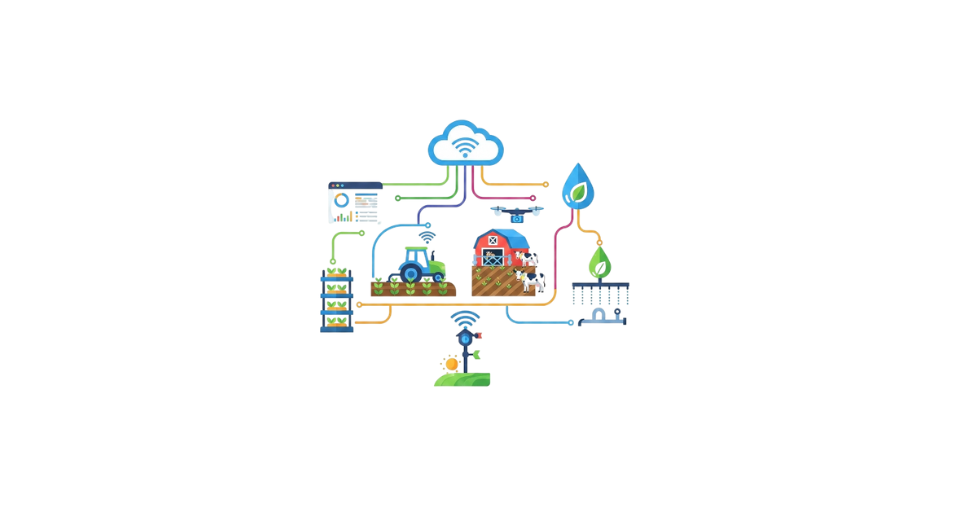
The report “Agricultural IoT Market By Component (Hardware, Software, Services), By Technology(Sensing Devices, Connectivity Technologies, Cloud Computing, Artificial Intelligence & Analytics, Blockchain), By Farm Type (Large Farms, Medium Farms, Small Farms), By Application (Precision Farming, Livestock Monitoring, Smart Irrigation, Greenhouse Monitoring, Supply Chain & Traceability)” is expected to reach USD 15.58 billion by 2033, registering a CAGR of 7.31% from 2026 to 2033, according to a new report by Transpire Insight.
Farming gets smarter when gadgets talk to each other through networks, using tools like sensors and digital dashboards. Because these pieces share information instantly, growers see what is happening with plants, earth conditions, skies, animals, or machines at any moment. When insights come fast, choices follow patterns found in numbers instead of guesses, which trims down wasted water or fertilizer while lifting harvest results. Whether managing a small plot or vast fields, adapting based on live feedback sharpens how land is used, no matter the crop.
Pressure mounts as hunger for food grows worldwide, yet farmland stays scarce, and weather acts unpredictably, which pushes farms toward digital tools. Outdated methods fade into background noise while data-driven decisions take center stage, guiding watering, feeding crops, fighting bugs, and knowing when to gather produce. Machines that talk to each other now help apply only what's needed where it's needed, trimming waste along the way. Spending less on inputs means more remains in pockets, even as soil health gets a quiet boost from smarter routines.
Out in fields far and wide, new strides in cloud systems spark change fast. Intelligence that learns grows stronger every day, tied tightly by networks humming quietly beneath the surface. Tiny sensors now fit where none could go before, slipping into soil, air, roots everywhere at once. Support rolls in from agencies and officials who back trials, fund small steps forward, and reward innovation without fanfare. Farmers start noticing shifts, a difference here, a gain there, and word spreads slowly but steadily. Machines talk to each other while skies shift above them, adjusting, learning, staying one step ahead. What was once scattered effort now forms threads of something larger: quiet transformation rooted deep in dirt and data alike.
The Hardware segment is projected to witness the highest CAGR in the Agricultural IoT market during the forecast period.
According to Transpire Insight, Farm equipment like sensors, drones, and GPS tools are becoming more common, pushing hardware growth in Agriculture IoT faster than any other area. Because these parts gather live updates on soil, weather, animals, and crop health, they sit at the center of modern farm tech setups. With a stronger push toward accuracy and less manual work in farming, the need grows steadily for reliable gear that does not cost too much. This trend spreads widely not just in wealthy nations but also in developing regions where agriculture is shifting toward smarter methods.
Out in the fields, tiny sensors now last longer and handle tough weather better, helping gear get into more hands. Because batteries hold power much longer, machines stay active without constant swaps. Farms start seeing value when tools talk to each other through networks, even far from cities. Money flows in from both companies and officials wanting modern setups across rural areas. As prices drop, more owners feel it is worth trying new gadgets that track soil or water levels. Learning spreads slowly through word, trial, and then trust. Growth keeps going because results show fewer surprises at harvest time. Some hesitate, yet many find they adjust faster than expected once things run on their own. Progress is not loud; it shows up in quiet updates overnight.
The AI & Analytics segment is projected to witness the highest CAGR in the Agricultural IoT market during the forecast period.
From farm fields to digital dashboards, artificial intelligence shapes how growers interpret sensor readings, drone images, and machine feedback. Instead of guessing when to water or spray, many now follow precise alerts shaped by constant data flow. These systems turn raw numbers into timely cues about plant stress, dirt moisture, or insect threats. With clearer signals, choices happen earlier, often before problems spread across rows of crops. Efficiency climbs because resources like fertilizer or water go only where needed most. Yield goals rise without blanket applications across entire plots.
Now machines learn faster, forecasts get sharper, while cloud tools bring smart tech to small and large fields alike. Because systems automate tasks, spot trouble ahead, predict harvests, farmers handle weather swings and tight resources more easily. With digital steps spreading through farming, careful planting methods and eco-friendly practices push AI deeper into farm sensor networks. Growth seems likely as smarter decisions become part of everyday soil work.
The Precision Farming segment is projected to witness the highest CAGR in the Agricultural IoT market during the forecast period.
According to Transpire Insight, Farmers are turning to precision methods because they save resources while boosting harvests. Driven by rising demand, this part of agricultural tech grows faster than others. Tools like smart sensors and GPS devices collect live information about fields. These insights come from internet-connected machines that map soil conditions. Instead of treating entire plots the same, actions adjust to each area's needs. Water, nutrients, and pest controls go only where required. Decisions rely on analysis powered by artificial intelligence. Yields get better without increasing inputs. Spending drops when supplies are not wasted. Land stays healthier over time through smarter routines.
Still, more farmers now use smart machines, self-driving tools, along with systems that rely on data to make choices, pushing precise farming forward worldwide. Officials plus farm groups back this change by funding tech upgrades and launching digital programs across rural areas. With operations leaning heavily into automated setups built for better results, accurate methods stay central to how fast the Ag-IoT field expands, helping today’s agriculture adapt steadily over time.
The Large Farms segment is projected to witness the highest CAGR in the Agricultural IoT market during the forecast period.
Big farms are expected to see the fastest growth in Agri-IoT use over the coming years. This comes down to solid budgets and a real push for smoother large-scale operations. Because they cover vast lands, huge amounts of data are produced daily. To keep up, tools like remote tracking systems, automated gear, and pattern-spotting software are not extra; they are necessary. Outcomes depend on handling machines, people, and growing cycles with precision. What stands out is how quickly these farms take on innovations: think soil monitors that talk, flying cameras, self-driving tractors, and digital advisors built with learning algorithms.
Big operations gain an edge by using wide networks of smart tools like exact planting controls, harvest tracking, and systems that forecast outcomes because spreading costs across vast acreage makes sense. Pushing for more produce while spending less on supplies keeps quality steady, which lines up well with digital upgrades. With hunger rising worldwide and greener methods now essential, major growers will likely stay ahead in adopting farm tech, fueling solid momentum in this area.
The North America region is projected to witness the highest CAGR in the Agricultural IoT market during the forecast period.
Growth in North America’s Agricultural IoT market looks set to outpace other regions over the coming years. A deep push into modern farm tech across the United States and Canada. Machines on fields now talk to satellites, thanks to GPS tools that guide them with precision. Sensors buried in soil feed real-time updates about moisture and nutrients. Drones fly overhead, scanning vast plots faster than any human ever could. These tools team up to cut waste while boosting yields. Farms already running high-tech gear find it easier to add new digital layers. Internet-connected tractors adjust their routes based on weather shifts. Data flows nonstop between barns, labs, and cloud systems. Equipment powered by insights replaces guesswork. This shift thrives because local networks back innovation with funding and expertise. Speed matters less than consistency when rolling out changes. Behind every smart decision lies a web of invisible signals shaping what grows and how much.
Farmers across North America find support through public policies, tech-driven farming efforts, and collaborations linking innovation firms and major agricultural operations, speeding up smart device use in fields. Driven by exact planting methods, better harvest results, alongside environmental care, these producers adopt networked tools to lower expenses, boost output, while responding to shifting weather patterns. Because of this path, the area should hold onto top status, showing steady upward movement within the worldwide farm-based Internet systems scene during the coming years.
Key Players
Top companies include Trimble Inc., Deere & Company, AGCO Corporation, Topcon Positioning Systems, PrecisionHawk, Raven Industries, Bosch, Hexagon, Santera LLC, Farmers Edge, Teralytic, Arable Labs, CropX Technologies, AG Leader Technology, Prospera Technologies, and CropMetrix.
Drop us an email at:
Call us on:
+91 7666513636

 inquiry@transpireinsight.com
 APAC:+91 7666513636
 Address





