
Market Summary
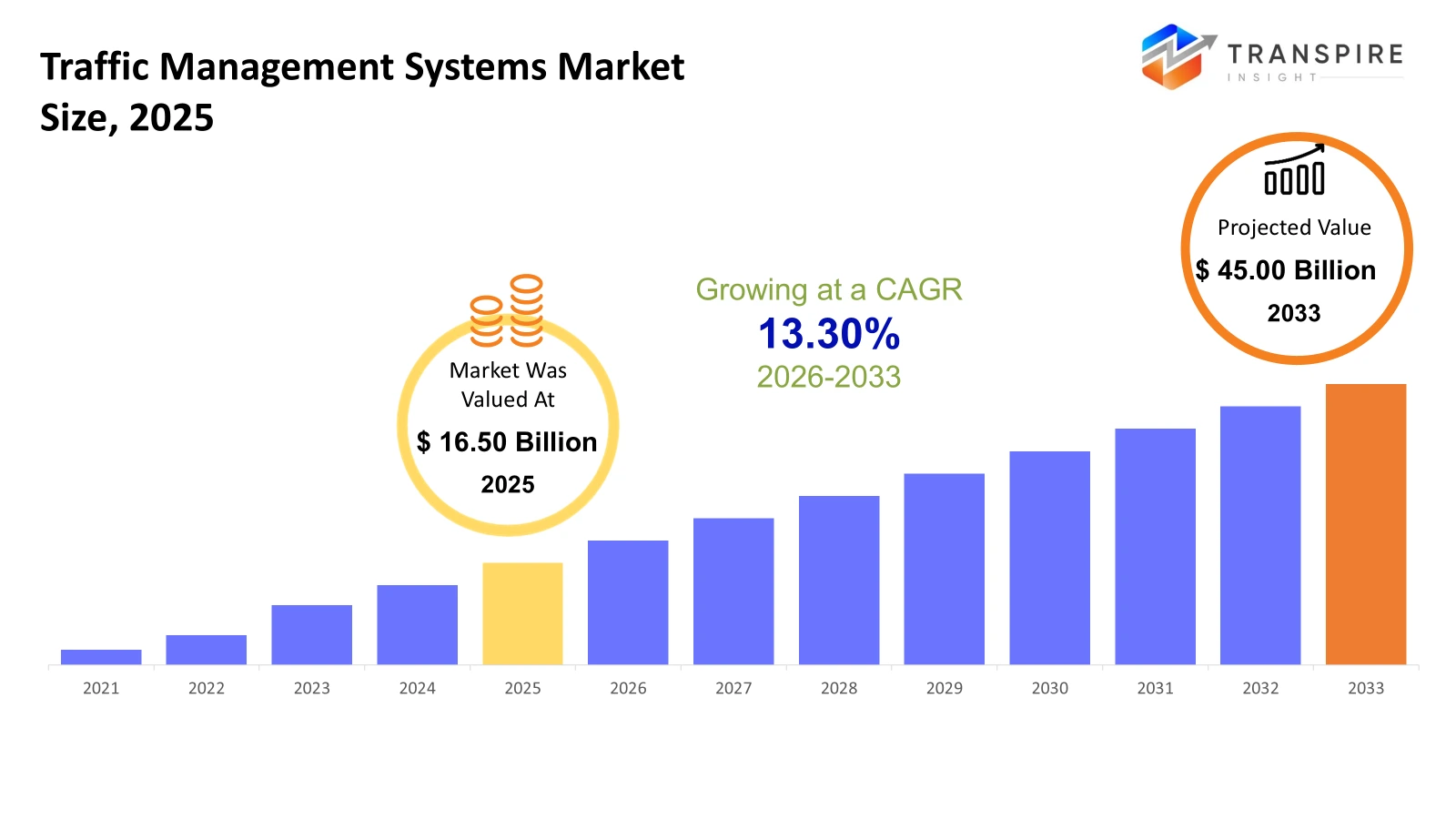
The global Traffic Management System market size was valued at USD 16.50 billion in 2025 and is projected to reach USD 45.00 billion by 2033, growing at a CAGR of 13.30% from 2026 to 2033. City streets fill fast as more people move into urban centers, pushing demand for better ways to handle vehicles on roads. Because cities grow quickly, solutions must keep pace without adding delays that drivers face daily. Officials everywhere are now bringing back tech projects meant to ease movement through crowded zones. These efforts aim less at speed, more at avoiding crashes while making travel safer overall. Progress shows where funding goes into tools that watch, respond, and adapt to real-time road conditions. Instead of building wider roads, leaders choose digital methods to manage what already exists. Safer routes emerge when signals adjust automatically rather than stick to fixed timing cycles. New patterns form as data guides decisions, replacing old habits tied to outdated models.
Market Size & Forecast
- 2025 Market Size: USD 16.50 Billion
- 2033 Projected Market Size: USD 45.00 Billion
- CAGR (2026-2033): 13.30%
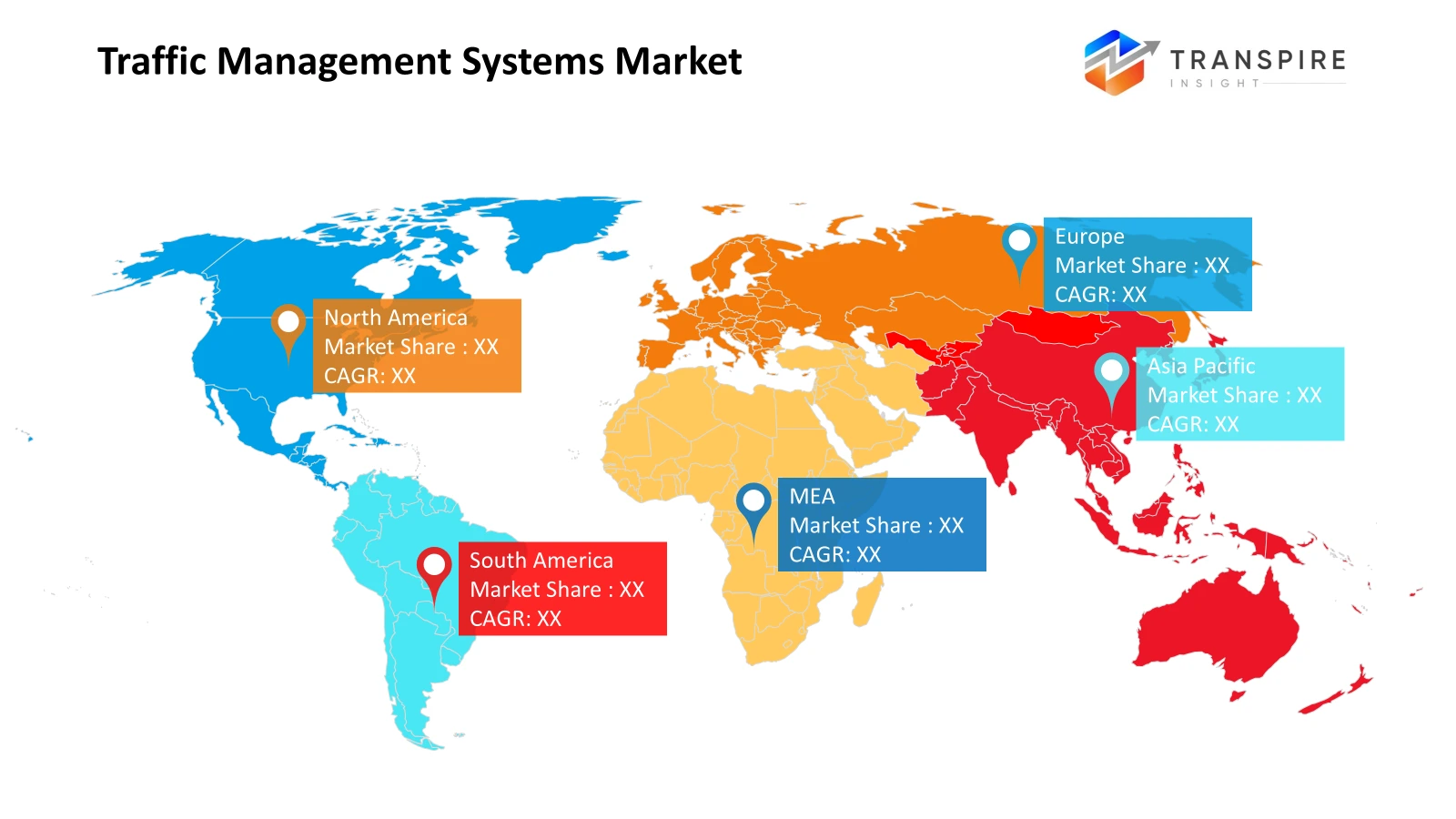
- North America: Largest Market in 2026
- Asia Pacific: Fastest Growing Market
To learn more about this report,  Download Free Sample Report
Key Market Trends Analysis
- North America market share estimated to be approximately 36% in 2026. Fueled by big spending on intelligent systems, North America sees progress. Safety gets a boost here because cities are upgrading how traffic moves. Instead of old methods, new tech manages flow - cutting jams bit by bit. These changes take hold where signals adapt in real time. Progress shows up clearly on roads that breathe easier now.
- Fueled by ambitious urban tech projects, the United States pushes ahead in regional uptake. Connected car systems are spreading widely here, backed by live traffic data tools shaping daily mobility. Progress unfolds rapidly where digital infrastructure meets modern transport needs.
- City growth moves fast across the Asia Pacific. More cars appear every year. Governments push high-tech transport plans. These factors together strongly lift market activity.
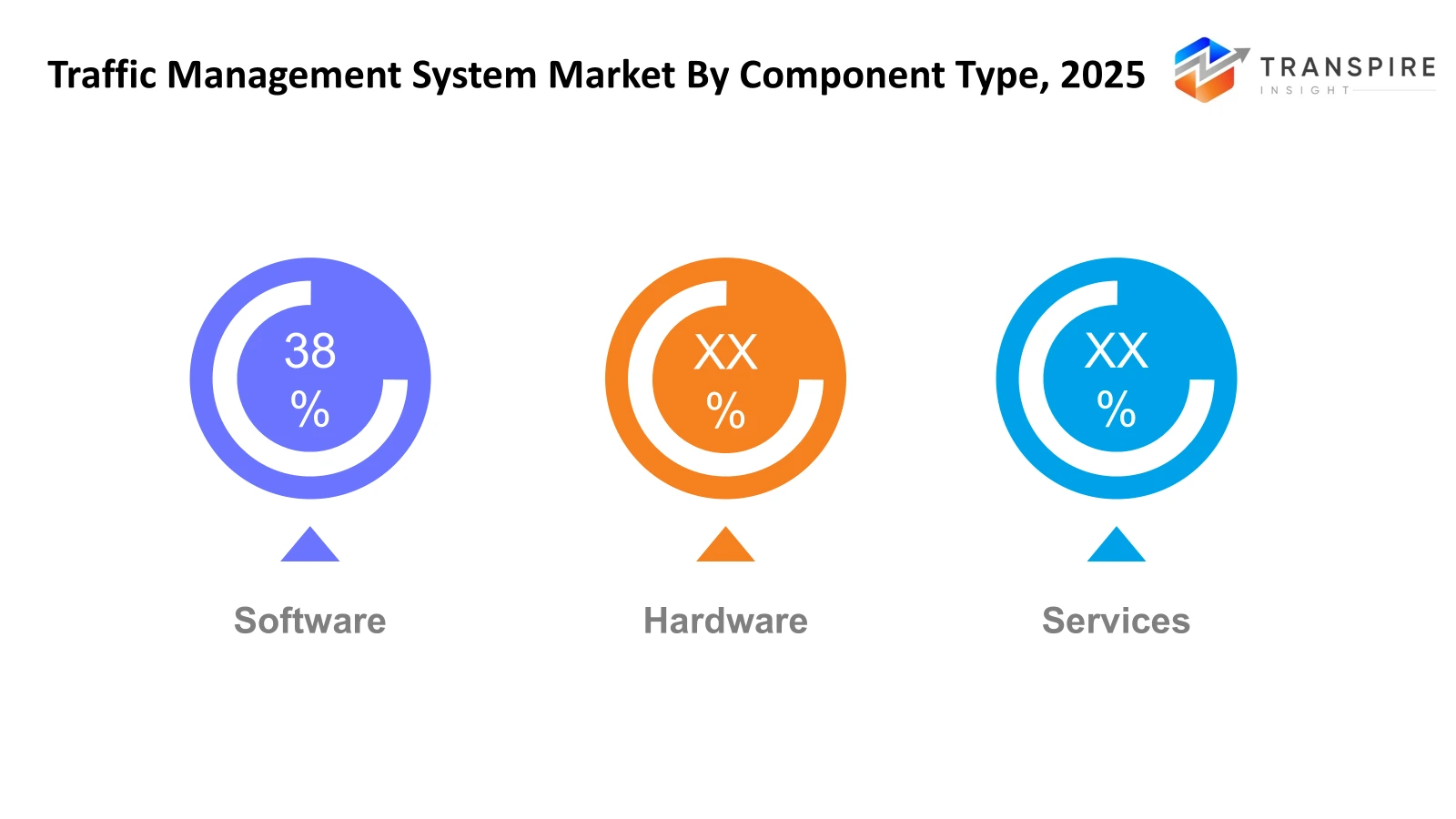
- The Software segment's expected market share will be 40% in 2026. Software leads the pack, traffic tools evolve quickest, where AI meets prediction, shaping how cities move through information. Smarter flow shaped by algorithms learning patterns others miss.
- Adaptive systems. These respond instantly to changing road conditions instead of sticking to fixed schedules. Real-time adjustments mean fewer backups during rush periods. Their ability to ease gridlock is why cities keep installing them. One reason stands out: an immediate reaction to actual demand rather than predictions.
- Smarter city traffic setups now steer the rise, since urban areas put intelligent transport first to ease movement. A push for better flow where streets meet tech in real time.
- Folks running cities and nations take charge here, rolling out big systems to handle traffic flow. These teams lead the way, setting up tools across wide areas because they have the reach and resources. What happens next usually starts with their decisions, projects grow from there, shaped by public needs.
Now cities face more cars than ever, pushing demand for smarter ways to keep roads safe and moving. Because streets grow busier each year, older signal timers lose ground to tech that watches, forecasts, traffic moment by moment. Devices like roadside detectors or streetlight cams link up through digital channels. These links let officials shift strategies fast when jams form, crashes happen, or rush hours reshape themselves.
Out here, new tech shapes how Traffic Management System markets move forward, artificial intelligence and machine learning, yet data tools slip into traffic systems quietly. Because of this shift, signals adjust on their own, problems get spotted before they grow, routes reshape in real time; getting around flows better, trips shorten, emissions dip. When smart software meets linked-up city parts, different ways to travel start working together, not just cars, but buses, trains, and people walking find a rhythm.
When transport systems start blending cars that connect online, clever road setups, and ride planning apps, working together across different tech becomes key. Instead of operating alone, tools handling traffic flow gain strength by pulling info from scattered spots like roadside gadgets, detection devices on streets, even phones running travel programs, bringing a clearer, real-time understanding. As links between moving vehicles grow stronger, there's a quiet push toward building traffic control designs that stretch easily, adapt fast, and avoid rigid formats.
Even with solid potential ahead, getting things running smoothly is not always simple. Old infrastructure often resists change, while finding people who know how to run new tools can slow progress down. As reliance grows on constant flows of live information, keeping data safe becomes a bigger deal. Still, improvements keep coming; smarter ways to move people are now the top priority, opening paths for tech developers and transit teams to upgrade how traffic is handled when needs shift quickly.
Traffic Management System Market Segmentation
By Component Type
- Hardware
Cameras watch the roads, while sensors buried in pavement track vehicle flow - each piece feeds data to controllers. These devices run the show, adjusting signals based on what they see. Display units then guide drivers using live updates. Without this gear working together, coordination would fall apart quickly.
- Software
That would be software. It handles data flow while making sense of patterns over time. Instead of static rules, systems now adjust signals using live inputs. Intelligence gets built in, helping cities respond as conditions shift. Analysis happens continuously, linking pieces across platforms. Learning from behavior becomes part of how timing improves.
- Services
Running smoothly starts with setup help, then moves into linking systems together; keeping everything updated matters just as much. Glitches fade when care stays consistent over time, while fixes happen before problems grow. What works today must still work tomorrow, so attention never stops. Reliability comes from steady effort, not one-time actions.
To learn more about this report, Download Free Sample Report
By System Type
- Urban Traffic Management & Control
City streets breathe easier when someone watches the flow from above. A single hub tracks vehicle movement across main roads, adjusting timing where needed. When lights respond to real conditions, jams loosen up. Coordination happens behind the scenes, smoothing travel without drivers noticing. Signals shift based on what’s actually happening, not just schedules. The goal shows up in shorter waits at intersections. Control centers act like quiet conductors during rush hours.
- Adaptive Traffic Control Systems
Signals change timing automatically when cars show up, because the system watches traffic right then. Sometimes it speeds things along, sometimes it slows them down depends on what’s happening road by road. It runs differently every few minutes, matching how drivers actually move at that moment.
- Journey Time Measurement Systems
Timing data flows through city streets thanks to tracking tools built into road networks. Vehicles get spotted at different points, allowing planners to study how fast trips really are. Instead of guessing, decisions rely on real movement patterns caught by sensors along the way. Speed insights shape adjustments in traffic signals or lane usage over time. What happens on roads becomes clear when durations add up across stretches between zones.
- Incident Detection & Location Systems
When something goes wrong on the road, these systems spot it fast. Because they react early, help arrives sooner. Traffic keeps moving instead of piling up behind chaos. Quick eyes mean fewer backups later.
- Dynamic Traffic Management Systems
Fresh updates flow into city streets, guiding cars along smoother paths when jams appear. Messages shift on signs above roads, nudging drivers toward quieter routes. Crowds of vehicles thin out as signals adjust behind the scenes. Roads breathe easier during busy hours due to unseen changes
By Application
- Urban Traffic Control
City streets stay moving by adjusting lights, easing crowding, while guiding cars through busy routes. Though signal timing shifts, flow improves when paths adapt slowly. Movement pulses differently block to block, yet patterns emerge without strict rules. Drivers meet changing conditions simply because systems respond minute by minute. Each intersection acts slightly independently, still linked by shared rhythm. Even small delays spread, so coordination matters behind the scenes.
- Highway Management
Faster roads need watching, so workers keep them moving smoothly while lowering crash risks. Traffic flows better when oversight teams step in during peak times instead of waiting for problems. Speedy lanes often jam up unless adjustments happen quickly throughout the day. Safety climbs once systems respond to changing conditions on their own. Smooth travel emerges not just from design but also from constant small fixes behind the scenes.
- Parking Management
When sensors spot open spots, the system updates in real time. Though it tracks usage patterns, drivers find spaces faster. Because alerts guide vehicles quickly, congestion near entrances drops. While cameras watch lots, software adjusts pricing dynamically. If demand spikes downtown, rates shift slightly during peak hours. Since data flows constantly, maintenance crews respond sooner to broken equipment.
- Public Transport Management
Fleet movements flow more smoothly when signals link up on time. Buses adjust pace as updates stream in. Delays shrink once dispatch sees where bottlenecks build. Riders feel the change midweek, no announcements needed. Systems hum when timing aligns behind the scenes.
- Incident & Emergency Management
When something goes wrong, teams can act fast, redirecting vehicles while sharing updates on the move. Routes shift smoothly because communication stays ahead. Even under pressure, decisions flow without delay. Movement adapts before chaos spreads. Response lines stay open, cutting through confusion. Traffic finds new paths almost right away.
By End-Users
- Government & Municipal Authorities
Public agencies often lead efforts to build and oversee road systems. Officials step in to handle planning, funding, and daily operations of urban mobility networks.
- Transportation Agencies
Buses, trains, and road crews watch flow patterns to keep travel steady across zones. Signals adjust on their own, so delays shrink during busy hours. Crews respond faster when routes jam up unexpectedly. Movement improves because data guides decisions behind the scenes.
- Smart City Authorities
City leaders who manage smart systems can link traffic tools into wider upgrades across urban tech networks. Instead of working alone, these controls join forces with citywide digital shifts. Traffic hubs become one piece within larger online makeovers for towns. Digital steps forward include connected signals alongside upgraded data pathways. Modern setups mix live updates with central command views. Networks grow smarter when transit links feed into shared information loops.
- Infrastructure Operators
Folks who run toll roads, highways, or transit routes, some private, some public, start using tools that make daily operations smoother. These systems help handle traffic flow without extra delays. Efficiency becomes easier when routines get updated with new tech. Management tasks take less time once digital support is in place. Some upgrades come from internal teams, others through outside partners. Progress shows up quietly, not always loud or flashy. Over months, small changes add up beneath the surface.
Regional Insights
Still ahead in the worldwide traffic tech race, North America benefits from well-built transport networks, widespread use of new tools, and consistent funding for smarter transit solutions by governments. The United States, together with Canada, leads in rolling out signals that adjust automatically, vehicles that communicate with each other, data analysis powered by artificial intelligence, and systems that spot accidents instantly, helping ease jams while boosting road safety. Behind this progress lie ongoing urban innovation programs funded by national and local authorities, cooperation between public agencies and private firms, and major tech companies rooted in the region pushing updates to older setups regularly.
A fresh wave of change rolls through European cities, where tech moves fast under strict rules that push clean air and better travel. Instead of waiting, places like Germany, the United Kingdom, and France build smarter roads using live-updating signals and watchful camera networks to ease jams and cut fumes. Because leaders here tie progress to lower planet harm, shared digital blueprints spread quickly from one metro area to the next. What stands out is how policy pulls innovation along quietly but without pause.
Fastest growth now shows up across Asia Pacific, due to cities growing fast, more people living there, plus big spending on smarter urban planning and updated transit systems. China, India, Japan, along with South Korea, push ahead with larger networks for managing traffic, using artificial intelligence to watch roads closely, while rolling out flexible tools that save money, all aimed at easing heavy gridlock and improving road safety in massive cities. Backed by strong support from national agencies, upgrades to transportation frameworks move forward, blending digital connections into daily operations and reducing harm linked to rising numbers of cars. Over time, Latin America joins the trend slowly; so do parts of the Middle East and Africa, where efforts grow to reduce crowded streets through better layouts, renewed structures, and intelligent movement plans - even when funds shift, and foundations lag.
To learn more about this report, Download Free Sample Report
Recent Development News
- February 5, 2026 – IvedaAI™ launched an AI-powered traffic management module, unlocking new smart city revenue opportunities.
- June 26, 2025 – India’s first AI-powered traffic management system unveiled on Delhi’s Dwarka expressway.
|
Report Metrics |
Details |
|
Market size value in 2025 |
USD 16.50 Billion |
|
Market size value in 2026 |
USD 18.80 Billion |
|
Revenue forecast in 2033 |
USD 45.00 Billion |
|
Growth rate |
CAGR of 13.30% from 2026 to 2033 |
|
Base year |
2025 |
|
Historical data |
2021 – 2024 |
|
Forecast period |
2026 – 2033 |
|
Report coverage |
Revenue forecast, competitive landscape, growth factors, and trends |
|
Regional scope |
North America; Europe; Asia Pacific; Latin America; Middle East & Africa |
|
Country scope |
United States; Canada; Mexico; United Kingdom; Germany; France; Italy; Spain; Denmark; Sweden; Norway; China; Japan; India; Australia; South Korea; Thailand; Brazil; Argentina; South Africa; Saudi Arabia; United Arab Emirates |
|
Key company profiled |
Siemens AG, Kapsch TrafficCom, SWARCO AG, Cubic Corporation, Thales Group, IBM Corporation, Cisco Systems Inc., Huawei Technologies Co., Ltd., Schneider Electric SE, Iteris Inc., Q-Free ASA, Econolite Group Inc., TransCore, Cohda Wireless, FLIR Systems, Jenoptik AG, and TomTom NV |
|
Customization scope |
Free report customization (country, regional & segment scope). Avail customized purchase options to meet your exact research needs. |
|
Report Segmentation |
By Component Type (Hardware, Software, Services), By System Type (Urban Traffic Management & Control, Adaptive Traffic Control Systems, Journey Time Measurement Systems, Incident Detection & Location Systems, Dynamic Traffic Management Systems), By End-Users (Urban Traffic Control, Highway Management, Parking Management, Public Transport Management, Incident & Emergency Management), By End-Users (Government & Municipal Authorities, Transportation Agencies, Smart City Authorities, Infrastructure Operators |
Key Traffic Management System Company Insights
One big name in worldwide traffic tech stands out: Siemens AG brings deep knowledge of smart transit networks, connected city setups, and digital frameworks into play. Their range includes tools for managing street signals in cities, adjusting lights based on live flow, handling expressway operations, plus gathering instant road insights, all powered by clever software, networked detectors, and artificial intelligence crunching data streams. Public agencies at state and local levels rely heavily on these systems, especially in regions like Western countries, because they grow smoothly with demand while linking easily into broader urban grids that aim to cut down jams, pollution, and trip lengths. What lifts them ahead is not just fresh ideas from solid research work but also steady partnerships with official bodies, together with ongoing funding directed toward cleaner movement options within towns.
Key Traffic Management System Companies:
- Siemens AG
- Kapsch TrafficCom
- SWARCO AG
- Cubic Corporation
- Thales Group
- IBM Corporation
- Cisco Systems Inc.
- Huawei Technologies Co., Ltd.
- Schneider Electric SE
- Iteris Inc.
- Q-Free ASA
- Econolite Group Inc.
- TransCore
- Cohda Wireless
- FLIR Systems
- Jenoptik AG
- TomTom NV
Global Traffic Management System Market Report Segmentation
By Component Type
- Hardware
- Software
- Services
By System Type
- Urban Traffic Management & Control
- Adaptive Traffic Control Systems
- Journey Time Measurement Systems
- Incident Detection & Location Systems
- Dynamic Traffic Management Systems
By Application
- Urban Traffic Control
- Highway Management
- Parking Management
- Public Transport Management
- Incident & Emergency Management
By End-Users
- Government & Municipal Authorities
- Transportation Agencies
- Smart City Authorities
- Infrastructure Operators
Regional Outlook
- North America
- United States
- Canada
- Europe
- Germany
- United Kingdom
- France
- Spain
- Italy
- Rest of Europe
- Asia Pacific
- Japan
- China
- Australia & New Zealand
- South Korea
- India
- Rest of Asia Pacific
- Latin America
- Brazil
- Mexico
- Rest of Latin America
- Middle East & Africa
- GCC
- South Africa
- Rest of the Middle East & Africa
Frequently Asked Questions
Find quick answers to common questions.
The approximate Traffic Management System Market size for the market will be USD 45.00 billion in 2033.
Key segments for the Traffic Management System Market are By Component Type (Hardware, Software, Services), By System Type (Urban Traffic Management & Control, Adaptive Traffic Control Systems, Journey Time Measurement Systems, Incident Detection & Location Systems, Dynamic Traffic Management Systems), By End-Users (Urban Traffic Control, Highway Management, Parking Management, Public Transport Management, Incident & Emergency Management), By End-Users (Government & Municipal Authorities, Transportation Agencies, Smart City Authorities, Infrastructure Operators).
Major Traffic Management System Market players are Siemens AG, Kapsch TrafficCom, SWARCO AG, Cubic Corporation, Thales Group, and IBM Corporation.
The North America region is leading the Traffic Management System Market.
The Traffic Management System Market is 13.30%.
- Siemens AG
- Kapsch TrafficCom
- SWARCO AG
- Cubic Corporation
- Thales Group
- IBM Corporation
- Cisco Systems Inc.
- Huawei Technologies Co., Ltd.
- Schneider Electric SE
- Iteris Inc.
- Q-Free ASA
- Econolite Group Inc.
- TransCore
- Cohda Wireless
- FLIR Systems
- Jenoptik AG
- TomTom NV
Recently Published Reports
-
Apr 2026
3D Optical Profiler Market
3D Optical Profiler Market Size, Share & Analysis Report By Type (Desktop 3D Optical Profiler, and Portable 3D Optical Profiler), By Technology (Confocal Technology, and White Light Interference), By End-Use Industry (Manufacturing, Research Institutions, Automotive, Aerospace and Defense, Medical Devices, and Other), and Geography (North America, Europe, Asia-Pacific, Middle East and Africa, South and Central America), 2021 - 2031
-
Apr 2026
Depth Sensor Market
Depth Sensor Market Size, Share & Analysis Report By Type (Infrared Depth Sensors, Time-of-Flight (ToF) Sensors, Stereo Vision Sensors, Structured Light Sensors, Ultrasonic Depth Sensors), By Application (Automotive, Robotics, Gaming, Consumer Electronics, Industrial Automation, Healthcare, Security & Surveillance, Others), By End Users (Automotive Manufacturers, Consumer Electronics Companies, Healthcare Providers, Industrial Companies, Security Agencies, Gaming Companies, Robotics Companies, Others), and Geography (North America, Europe, Asia-Pacific, Middle East and Africa, South and Central America), 2021 – 2031
-
Apr 2026
Digital Manufacturing Market
Digital Manufacturing Market Size, Share & Analysis Report By Component (Hardware, Software, and Services), By Technology (Robotics, 3D Printing, Internet of Things (IoT), and Others), By Application (Automotive and Transportation, Aerospace and Defense, Consumer Electronics, Industrial Machinery, and Others), By Process Type (Computer-Based Designing, Computer-Based Simulation, Computer 3D Visualization, Analytics, and Others), and Geography (North America, Europe, Asia-Pacific, Middle East and Africa, South and Central America), 2021 – 2031
-
Apr 2026
Digital Visa Services Market
Digital Visa Services Market Size, Share & Analysis Report By Type (Individual Travelers, Group Travelers), By Application (Tourism, Business Travel, Others), and Geography (North America, Europe, Asia-Pacific, Middle East and Africa, South and Central America), 2021 – 2031