


Market Summary
The global Preclinical Imaging market size was valued at USD 3.40 billion in 2025 and is projected to reach USD 7.50 billion by 2033, growing at a CAGR of 9.20% from 2026 to 2033. The global preclinical imaging market is expanding steadily. This is because the pharmaceutical and biotech industries are investing in research and development. They are focusing on early-stage drug discovery and research that enables the translation of findings into applications. More people are developing diseases such as cancer and neurological disorders. This is increasing the demand for imaging technologies that can assist researchers in studying these diseases in living organisms. Imaging technology is also improving. New hybrid and high-resolution imaging technologies are assisting researchers in obtaining accurate results and working more efficiently. This is making these technologies more popular. In addition, more countries are building infrastructure for research. This is contributing to the growth of the imaging market. The preclinical imaging market is also expected to continue growing. Preclinical imaging is becoming more valuable, for research. The preclinical imaging market is growing because of the advancements in preclinical imaging technology. Preclinical imaging assists in the early discovery of drugs. Preclinical imaging is utilized for research. Preclinical imaging market is expanding.
Market Size & Forecast
- 2025 Market Size: USD 3.40 Billion
- 2033 Projected Market Size: USD 7.50 Billion
- CAGR (2026-2033): 9.20%
- North America: Largest Market in 2026
- Asia Pacific: Fastest Growing Market

To learn more about this report,  Download Free Sample Report
Key Market Trends Analysis
- The preclinical imaging market is mostly controlled by North America. This is because North America has a lot of money invested in research and development. They also have good research facilities and they were one of the first to use hybrid imaging technologies. There are a lot of biotechnology companies and contract research organizations in North America which helps to make new technology and increases the demand for imaging systems.
- The United States is the contributor to the preclinical imaging market in North America. This is because the United States gets a lot of money from the government for research. There are also a lot of studies on cancer and the brain. They are really good at using different kinds of imaging platforms to help find new drugs in laboratories.
- Asia Pacific is growing fast in the preclinical imaging market. This is because more and more pharmaceutical companies are setting up factories in Asia Pacific. The government is also giving money for biomedical research. Many new research centers are being built in countries like China, Japan, South Korea and India which is helping the preclinical imaging market in Asia Pacific to grow. The preclinical imaging market, in Asia Pacific is really taking off because of all these things.
- Optical Imaging Systems are really good at what they do because they do not cost a lot of money and they are very sensitive when it comes to imaging. Doctors and researchers use Optical Imaging Systems a lot to study cancer and to find drugs. One of the things about Optical Imaging Systems is that they do not hurt the person or animal being studied. This makes them very useful for researchers who are working with animals.
- When it comes to studying cancer, Optical Imaging Systems are very important. This is because there are a lot of cancer drugs being developed all around the world. Optical Imaging Systems help doctors and researchers find cancer early and see how well the drugs are working. This makes them very useful for companies that are trying to make cancer drugs.
- Pharmaceutical and Biotechnology Companies use Optical Imaging Systems the most. These companies are always trying to find ways to make drugs and they need Optical Imaging Systems to help them. They like to work with companies to get the help they need and they are always looking for new and better ways to use Optical Imaging Systems. This means that the demand, for Optical Imaging Systems is always growing.
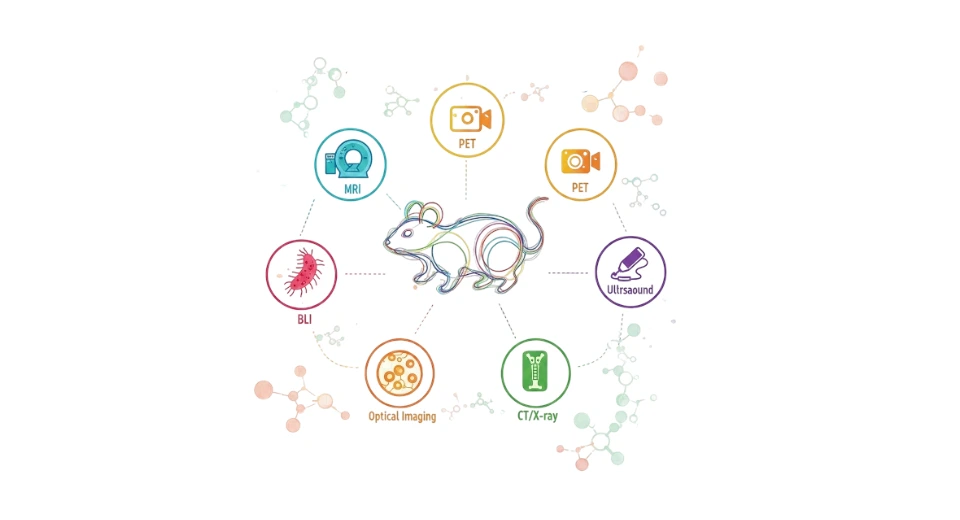
The Global Preclinical Imaging Market is about using imaging technologies to study how diseases progress how well drugs work and how biomarkers are developed in animal models. These systems let researchers see cellular and anatomical changes in a non-invasive way and with high resolution. This helps researchers make predictions about what will happen in clinical trials. The Global Preclinical Imaging Market uses technologies like Optical Imaging, MRI, PET/SPECT, CT, Ultrasound and Photoacoustic imaging. There are also multi-modal systems that combine these technologies. These technologies are used a lot in companies, biotechnology companies and academic research. The Global Preclinical Imaging Market is growing because people want to find drugs more quickly and they want to tailor treatments to individual patients. This is especially true for cancer, brain disease and heart disease research. The Global Preclinical Imaging Market is important, for these areas of research.
The market includes things like imaging systems and the things you need to use them and also services to help you like installation and maintenance and looking at the pictures. New technology is always coming out like machines that can do lots of things at once and take clear pictures, which helps us get more work done and understand things better. Lots of people are getting sick with term diseases so we need to do more studies to figure out what is going on and the people in charge want us to make sure things are safe before we try them, which makes people want to use these imaging systems more. Some countries like the ones in Asia and the Middle East are growing fast because they are building more labs and working with big drug companies.
North America is the market because it has a lot of big drug companies and research centers and the government gives a lot of money to help with studies. Europe is next because it has a lot of labs and companies that help with research. Asia is growing the fastest because countries like China and Japan and India are spending money on research and building more labs to study things before we try them on people. This is happening around the world and it shows that imaging systems are a really important part of making new drugs and figuring out how they work. The preclinical imaging market is really important for studies and, for making new drugs.
Preclinical Imaging Market Segmentation
By Technology
- Optical Imaging Systems
Optical imaging systems are really good for studying animals because they are very sensitive and do not hurt the animals. They are also not too expensive. Optical imaging systems are used a lot in cancer research and molecular research. They help us see exactly what is happening with genes and tumors and how well treatments are working.
- Magnetic Resonance Imaging (MRI)
MRI is a choice because it shows soft tissues very clearly and does not use ions. This makes it safe to use on animals over a period of time. MRI is often used in brain and heart research. It takes detailed pictures of the inside of the body, which helps us understand diseases and develop new treatments. This makes MRI very important, for research that happens before humans are involved.
- PET / Nuclear Imaging (PET & SPECT)
PET and SPECT help us study the body at a level. They let us see how things work inside the body by tracking tracers. This is really important for finding medicines checking if something is a good marker for a disease and studying how medicines move through the body. These tools are especially useful in cancer and brain research.
- Computed Tomography (CT)
CT scans give us detailed pictures of the bodys structure. They are great, for studying bones, lungs and the heart. Because CT scans are fast and show things clearly we can use them to check if a medicine is safe and to see how a disease is changing over time.
- Ultrasound Imaging
Ultrasound is a choice because it does not invade the body and gives live images. This is really helpful in heart and growth research. Many people use ultrasound in schools and small labs because it is easy to move and does not cost a lot to run. It is great for studies that need to take images quickly. Ultrasound is used a lot in small laboratory studies, for high-throughput imaging because of its portability and low cost.
- Photoacoustic Imaging
Photoacoustic imaging is a way to take pictures of the body that combines light and sound. This method allows doctors to get a good look at the tiny blood vessels and tissues inside the body. Photoacoustic imaging helps doctors find diseases on. It is also useful for studying the area around tumors and, for researching ways to deliver medicine to the spots. Overall photoacoustic imaging is a tool that improves our ability to see what is going on inside the body at a molecular and functional level. Photoacoustic imaging does this by combining ultrasound techniques to get a better picture of what is happening.
- Hybrid / Multi-modal Systems
Hybrid systems, such as PET/MRI or SPECT/CT give us both molecular information in one go. They are really helpful for long-term studies. Also help reduce the number of animals used which is why they are becoming more popular in pharmaceutical and translational research. These systems, like PET/MRI and SPECT/CT are really making a difference. They help us get accurate results and also make our research more efficient. This is why hybrid systems are being used more and more in research.
To learn more about this report, Download Free Sample Report
By Application
- Oncology Research
Preclinical imaging in oncology helps find tumors early and also helps see if a treatment is working and test medicines. The use of imaging is increasing because many people have cancer worldwide, and there is a need for precise and non-invasive ways to check animal models. Preclinical imaging in oncology enables tumor detection, monitoring response, and evaluating novel drug candidates for oncology.
- Neurology Research
The field of neurology really needs things like MRI and PET to make maps of the brain understand diseases that affect the brain and see if treatments are working. There are more people getting diseases, like Alzheimers and Parkinsons so we need better ways to get pictures of what is going on in the brain before we start treating people.
- Cardiovascular Research
Cardiovascular research employs CT scans, ultrasound, and hybrid imaging to examine the heart's structure and function, allowing us to observe the progression of heart diseases. Scientists employ these techniques to monitor the heart's condition in animal models, enabling them to test drugs earlier and translate research from animal models to humans. Non-invasive monitoring helps in the development of drugs in the early stages, and CT scans, ultrasound, and hybrid imaging help scientists understand heart health, which can be translated into treatments.
- Infectious & Immunology Studies
Preclinical imaging assists us in understanding the spread of infections, the reaction of our immune system, and the efficacy of treatments in living organisms. It is applied in the imaging of pathogens and immune cells, which assists us in speeding up the development of vaccines and immunotherapy. This is particularly important in the case of rapidly spreading infectious diseases, as preclinical and molecular imaging of pathogens are techniques that assist us in understanding the spread of infections and the immune response.
- Drug Discovery & Development
Imaging technologies are really useful for checking how drugs work in our bodies. We can see how the drug is absorbed and how it affects us. This technology also helps us find biomarkers and check for any effects. When we use kinds of imaging together it helps us make better decisions. It saves us time. Makes it more likely that new drugs will be successful. Imaging technologies are very important, for drug pipelines. They help us understand drugs better and make choices about which ones to keep working on.
By End User
- Pharmaceutical & Biotechnology Companies
These companies need imaging technologies to find new drugs. They want these technologies to be fast and accurate so they can see what works and what does not. This helps them make drugs for people with cancer and rare diseases. The companies also have to follow rules for testing drugs, which is why they need these imaging technologies. The companies use these imaging technologies to do research, on cancer and rare diseases.
- Academic & Research Institutions
Schools and universities are using imaging to understand diseases to do research that can help people and to come up with new methods. They are really interested in biology, neuroscience and personalized medicine. This means they are using imaging systems more and more for these things, like molecular biology and neuroscience and personalized medicine.
- Contract Research Organizations (CROs)
Contract Research Organizations use imaging techniques before the clinical stage to provide services to pharmaceutical companies. This helps these companies do their research better faster and in line, with the rules. The reason Contract Research Organizations are being used more and more is that pharmaceutical companies need quality pictures and data to develop new medicines without spending too much money. They want to make sure their drug development process is good. Follows all the necessary steps. Contract Research Organizations help them with this by giving them the imaging data they need.
- Government Research Labs
Government labs use imaging tests on animals to study health, focusing on treatments and ensuring they are safe. This focus creates a need for imaging technologies across many disease areas. By using these tests, labs can monitor how treatments work, develop new therapies, and ensure safety, all with the goal of helping people with diseases.
Regional Insights
The North America region is an important market for preclinical imaging, with the United States being the major market due to heavy investments in pharmaceutical R&D, sophisticated research infrastructure, and early adoption of hybrid and high-resolution imaging solutions. The Canadian and Mexican markets also contribute to the growth of the industry due to the increasing number of research institutions and contract research organizations.
The Europe market is experiencing steady growth, with Germany, the United Kingdom, France, Spain, and Italy being the major markets due to the presence of biotechnology companies and translational research facilities. The Rest of Europe market is also adopting imaging solutions due to public-private partnerships, expansion of CROs, and government-funded biomedical research initiatives.
Asia Pacific is the fastest-growing region, driven by Japan, China, South Korea, Australia, New Zealand, and India. Rising pharmaceutical and biotechnology R&D, expanding preclinical research centers, and government initiatives in medicine drive market penetration. The Rest of Asia Pacific serves as a hub for cost-effective preclinical studies and CRO collaborations. South America shows growing adoption, with Brazil and Argentina contributing through research investments and pharmaceutical manufacturing expansion, while the Rest of the region develops research infrastructure. Middle East & Africa grows moderately, led by Saudi Arabia, UAE, and South Africa, with government research funding and collaborations, while the Rest of the region gradually increases awareness and adoption of imaging applications.
To learn more about this report, Download Free Sample Report
Recent Development News
- March 2025, GE HealthCare announced an official partnership with NVIDIA to develop autonomous imaging technologies focused on X‑ray and ultrasound solutions. This initiative aims to accelerate innovation in imaging workflows and integrate AI‑driven automation into diagnostic modalities, building on GE HealthCare’s longstanding medical imaging legacy.
- June 2025, FUJIFILM VisualSonics introduced the Vevo F2 LAZR‑X20 Photoacoustic Imaging Platform, designed for preclinical ultrasound research with advanced laser‑based tissue characterization and broader application support in oncology, cardiovascular, and neurobiology studies
(Source:https://www.fujifilm.com/us/en/news/FUJIFILM_VisualSonics)
|
Report Metrics |
Details |
|
Market size value in 2025 |
USD 3.40 Billion |
|
Market size value in 2026 |
USD 4.00 Billion |
|
Revenue forecast in 2033 |
USD 7.50 Billion |
|
Growth rate |
CAGR of 9.20% from 2026 to 2033 |
|
Base year |
2025 |
|
Historical data |
2021 – 2024 |
|
Forecast period |
2026 – 2033 |
|
Report coverage |
Revenue forecast, competitive landscape, growth factors, and trends |
|
Regional scope |
North America; Europe; Asia Pacific; Latin America; Middle East & Africa |
|
Country scope |
United States; Canada; Mexico; United Kingdom; Germany; France; Italy; Spain; Denmark; Sweden; Norway; China; Japan; India; Australia; South Korea; Thailand; Brazil; Argentina; South Africa; Saudi Arabia; United Arab Emirates |
|
Key company profiled |
PerkinElmer Inc., Bruker Corporation, Siemens Healthineers AG, General Electric (GE) Healthcare, FUJIFILM VisualSonics, Inc., Mediso Ltd., MR Solutions, Aspect Imaging Ltd., TriFoil Imaging, MILabs B.V., Cubresa Inc., Berthold Technologies GmbH & Co. KG, Miltenyi Biotec GmbH, LI COR Biosciences, Sofie Biosciences (SOFIE) |
|
Customization scope |
Free report customization (country, regional & segment scope). Avail customized purchase options to meet your exact research needs. |
|
Report Segmentation |
By technology (Optical Imaging, MRI, PET, SPECT, CT, Ultrasound, Photoacoustic & Multimodal systems), By application (Oncology, Neurology, Cardiovascular, Infectious & other research), By end user (Pharma & biotech companies, academic & research institutions, CROs, government labs) |
Key Preclinical Imaging Company Insights
PerkinElmer Inc. is a leading name in preclinical imaging, offering optical, nuclear, and multimodal imaging systems. The company excels in producing highly sensitive imaging tools and provides software for detailed data analysis. Its solutions are widely used in cancer, brain, and heart research. Continuous improvements in hybrid imaging platforms, along with global support and distribution, enable PerkinElmer to serve pharmaceutical, biotechnology, and academic clients efficiently. Strategic collaborations and acquisitions further expand its business, making PerkinElmer a preferred choice for high-throughput and translational research studies.
Key Preclinical Imaging Companies:
- PerkinElmer Inc.
- Bruker Corporation
- Siemens Healthineers AG
- General Electric (GE) Healthcare
- FUJIFILM VisualSonics, Inc.
- Mediso Ltd.
- MR Solutions
- Aspect Imaging Ltd.
- TriFoil Imaging
- MILabs B.V.
- Cubresa Inc.
- Berthold Technologies GmbH & Co. KG
- Miltenyi Biotec GmbH
- LI COR Biosciences
- Sofie Biosciences (SOFIE)
Global Preclinical Imaging Market Report Segmentation
By Technology
- Optical Imaging Systems
- Magnetic Resonance Imaging (MRI)
- PET / Nuclear Imaging (PET & SPECT)
- Computed Tomography (CT)
- Ultrasound Imaging
- Photoacoustic Imaging
- Hybrid / Multi-modal Systems
By Application
- Oncology Research
- Neurology Research
- Cardiovascular Research
- Infectious & Immunology Studies
- Drug Discovery & Development
By End User
- Pharmaceutical & Biotechnology Companies
- Academic & Research Institutions
- Contract Research Organizations (CROs)
- Government Research Labs
Regional Outlook
- North America
- United States
- Canada
- Mexico
- Europe
- Germany
- United Kingdom
- France
- Spain
- Italy
- Rest of Europe
- Asia Pacific
- Japan
- China
- Australia & New Zealand
- South Korea
- India
- Rest of Asia Pacific
- South America
- Brazil
- Argentina
- Rest of South America
- Middle East & Africa
- Saudi Arabia
- United Arab Emirates
- South Africa
- Rest of the Middle East & Africa





.jpg)








 APAC:+91 7666513636


