
Feb 24, 2026
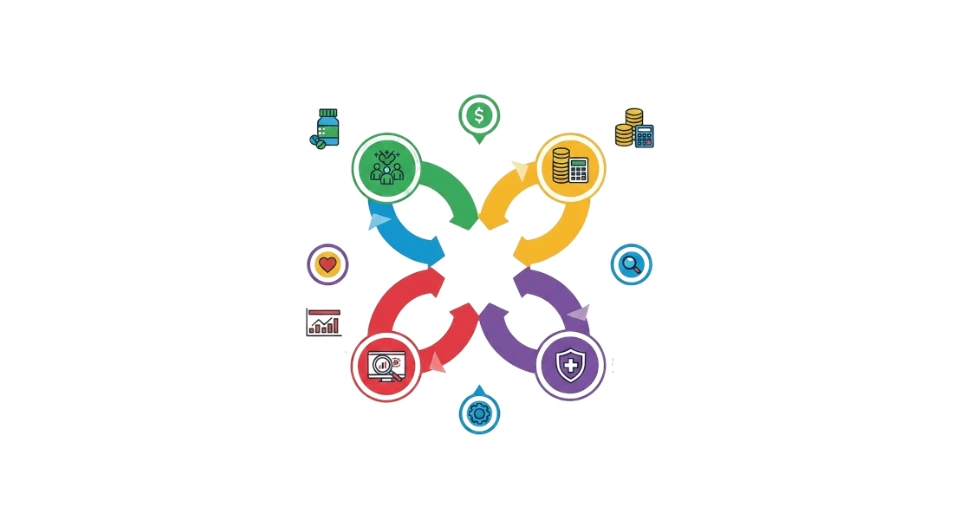
The report “Pharmacy Benefit Management Market By Service Type (Pharmacy Benefit Plan Design, Drug Formulary Management, Claims Processing & Adjudication, Specialty Pharmacy Services, Mail-Order Pharmacy Services, Drug Utilization Review, Others), By Business Model (Integrated PBM, Standalone PBM, Health Plan–Owned PBM, Retailer-Owned PBM), By Drug Type (Branded Drugs, Generic Drugs, Specialty Drugs, Biosimilars) and By End User (Commercial Health Plans, Self-Insured Employers, Government Programs, Managed Care Organizations, Labor Unions)” is expected to reach USD 780.00 billion by 2033, registering a CAGR of 5.30% from 2026 to 2033, according to a new report by Transpire Insight.
The Pharmacy Benefit Management Market is an essential part of the healthcare value chain, primarily engaged in the management of prescription drug benefits for insurers, employers, government agencies, and managed care organizations. Pharmacy Benefit Managers, or PBMs, are middlemen between pharmaceutical companies, pharmacies, and payers, managing formularies, claims processing, rebate contracting, and specialty drug management. As pharmaceutical spending continues to increase worldwide, the importance of PBMs in managing pharmaceutical spending and optimizing drug use has become more prominent. The key factor driving the growth of the market is the increasing spending on specialty drugs, which contribute disproportionately to overall pharmacy spending. The rising incidence of chronic diseases like diabetes, oncology, and autoimmune diseases is increasing prescription volumes. To address this, payers are increasingly turning to PBMs to manage prescription drug benefits and implement utilization management strategies, step therapy, and value-based reimbursement contracts that improve cost-effectiveness while sustaining quality.
Technological developments are transforming the operational environment for PBMs. Real-time claims adjudication, predictive analytics, and data integration solutions are facilitating better transparency and decision-making. Automated solutions for prior authorization and patient engagement platforms are improving patient compliance and minimizing administrative burdens. These solutions are enhancing PBMs’ capabilities to provide quantifiable cost savings to their stakeholders. Further, the trend of consolidation among insurance companies, healthcare providers, and retail pharmacy organizations is fueling the development of vertically integrated PBM models. Pricing transparency is also impacting the structure of contracts and rebates. Despite these challenges in the policy environment, the market is showing stable growth due to expanding healthcare coverage and the need for organized pharmacy cost management solutions.
The Drug Formulary Management segment is projected to witness the highest CAGR in the Pharmacy Benefit Management during the forecast period.
According to Transpire Insight, Drug Formulary Management continues to be the leading service category, as payers are focusing on the importance of having a well-structured approach to managing the rising costs of drugs. Formulary management is a process that involves the assessment of clinical efficacy, cost-effectiveness, and therapeutic substitution. PBMs use rebate contracting and tiered pricing structures to manage prescribing and promote generic or biosimilar substitution when appropriate. This approach has been effective in reducing pharmaceutical spending while sustaining high standards.
The increasing complexity of biologic and specialty drugs has further increased the importance of formulary management. PBMs are using data-driven assessments to manage innovation and affordability. With the promotion of biosimilar adoption and value-based contracting by regulatory authorities, formulary management continues to play a critical role in ensuring financial sustainability in public and private healthcare programs.
The Integrated PBM segment is projected to witness the highest CAGR in the Pharmacy Benefit Management during the forecast period.
Integrated PBM represents the most prominent segment of business models because of its capacity to coordinate pharmacy and medical benefits under a single system. Vertical integration enables the use of comprehensive patient information, which is more effective in risk management and formulary optimization. The integration of insurance underwriting expertise with pharmacy network management enhances bargaining power with pharmaceutical companies. This business model is more appealing because of its capacity to optimize economies of scale and simplify administrative procedures, which is more desirable for large commercial health plans and employers looking for effective management of drug expenses.
In addition, integrated PBMs also enjoy the benefits of operational synergies between retail pharmacies, mail-order operations, and specialty pharmacies. The ability to interoperate medical and pharmacy claims data enables the early detection of trends related to high-cost therapies and poor adherence. With the increasing use of specialty therapies, the capacity to coordinate care and manage total healthcare costs cements the position of integrated PBMs in the market.
The Specialty Drugs segment is projected to witness the highest CAGR in the Pharmacy Benefit Management during the forecast period.
According to Transpire Insight, Specialty Drugs lead the drug type market due to the strong growth rate and high individual patient spend. These drugs may also require complex handling, refrigeration, and continuous clinical monitoring. PBMs have increased their specialty pharmacy networks and patient support services to address adherence and financial risk. Since specialty drugs represent a significant share of overall pharmacy spending, this market plays a crucial role in overall revenue generation.
The growing pipeline of biologic and targeted therapies further supports the specialty drug market leader position. PBMs are utilizing sophisticated utilization management, prior authorization, and outcome-based contracting to ensure effective and efficient use. With the continued evolution of personalized medicine, specialty drug management is likely to remain a key driver of growth in the pharmacy benefit management market.
The Commercial Health Plans segment is projected to witness the highest CAGR in the Pharmacy Benefit Management during the forecast period.
Commercial Health Plans are the most prominent end-user segment, driven by the large number of people enrolled in private insurance and favorable premium rates. Insurers work with PBMs to optimize formulary development, manufacturer rebate contracting, and the efficient processing of high volumes of prescriptions. The predictability of costs and the preservation of margins are the key drivers of strategic PBM partnerships in the commercial insurance environment.
The growing competitive environment among insurers further heightens the importance of effective pharmacy benefit management. PBMs offer sophisticated analytics, fraud management tools, and adherence solutions that improve overall care coordination. As the number of people enrolled in employer-sponsored plans continues to grow, the commercial health plans will remain the key demand driver in the market.
The North America region is projected to witness the highest CAGR in the Pharmacy Benefit Management during the forecast period.
North America is the leading market, driven by high per-capita spending on drugs and sophisticated insurance systems. The presence of large vertically integrated PBM companies improves scale efficiencies and pricing power. While regulatory changes emphasizing transparency are redefining contract structures, demand for cost-containment services remains strong due to persistent prescription drug inflation.
The United States is the largest market in North America, driven by complex reimbursement systems and widespread employer-provided coverage. Mergers among insurers, PBMs, and pharmacy chains improve operational integration. Notwithstanding, the Asia-Pacific market is the fastest-growing, driven by expanding healthcare access in Japan, China, India, and Australia. Increasing prevalence of chronic diseases and evolving reimbursement systems are propelling the adoption of organized pharmacy benefit administration services.
Key Players
The top 15 players in the Pharmacy Benefit Management market include CVS Health, Express Scripts, OptumRx, Humana Pharmacy Solutions, Prime Therapeutics, MedImpact Healthcare, Cigna, Magellan Health, Aetna, Elevance Health, WellDyneRx, Navitus Health Solutions, PerformRx, EnvisionRxOptions, and Capital Rx.
Drop us an email at:
Call us on:
+91 7666513636

 inquiry@transpireinsight.com
 APAC:+91 7666513636
 Address





