
Market Summary
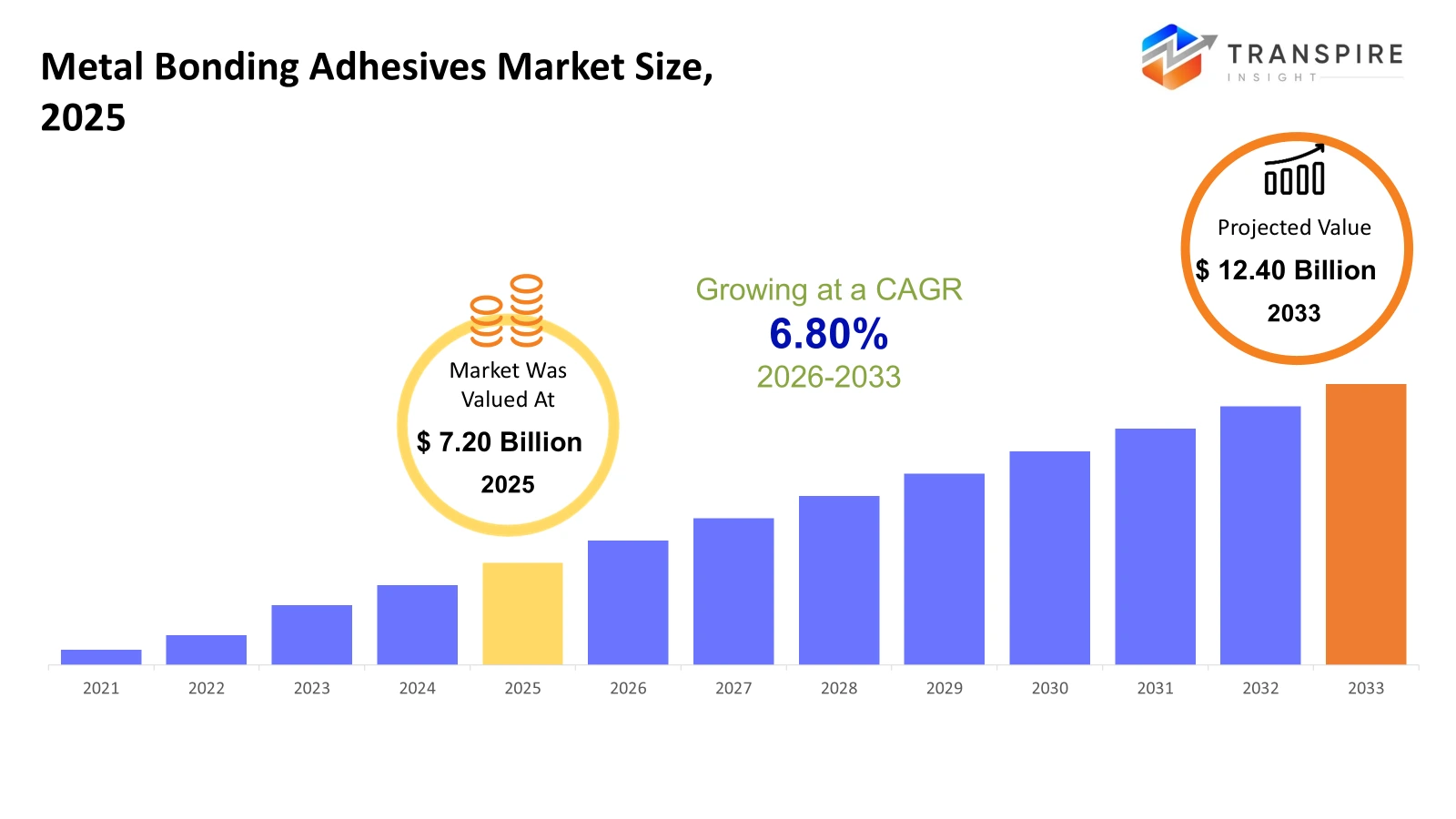
The global Metal Bonding Adhesives market size was valued at USD 7.20 billion in 2025 and is projected to reach USD 12.40 billion by 2033, growing at a CAGR of 6.80% from 2026 to 2033. Steady expansion looks likely for metal bonding adhesives worldwide, driven by rising needs across sectors like cars, planes, buildings, and gadgets, places where tough joins matter most. Because they offer better hold, stand up well to rust, while also cutting down mass, these glues beat older bolt-and-screw techniques. Their role fits tightly into today’s push for lighter production methods without losing reliability.
Market Size & Forecast
- 2025 Market Size: USD 7.20 Billion
- 2033 Projected Market Size: USD 12.40 Billion
- CAGR (2026-2033): 6.80%
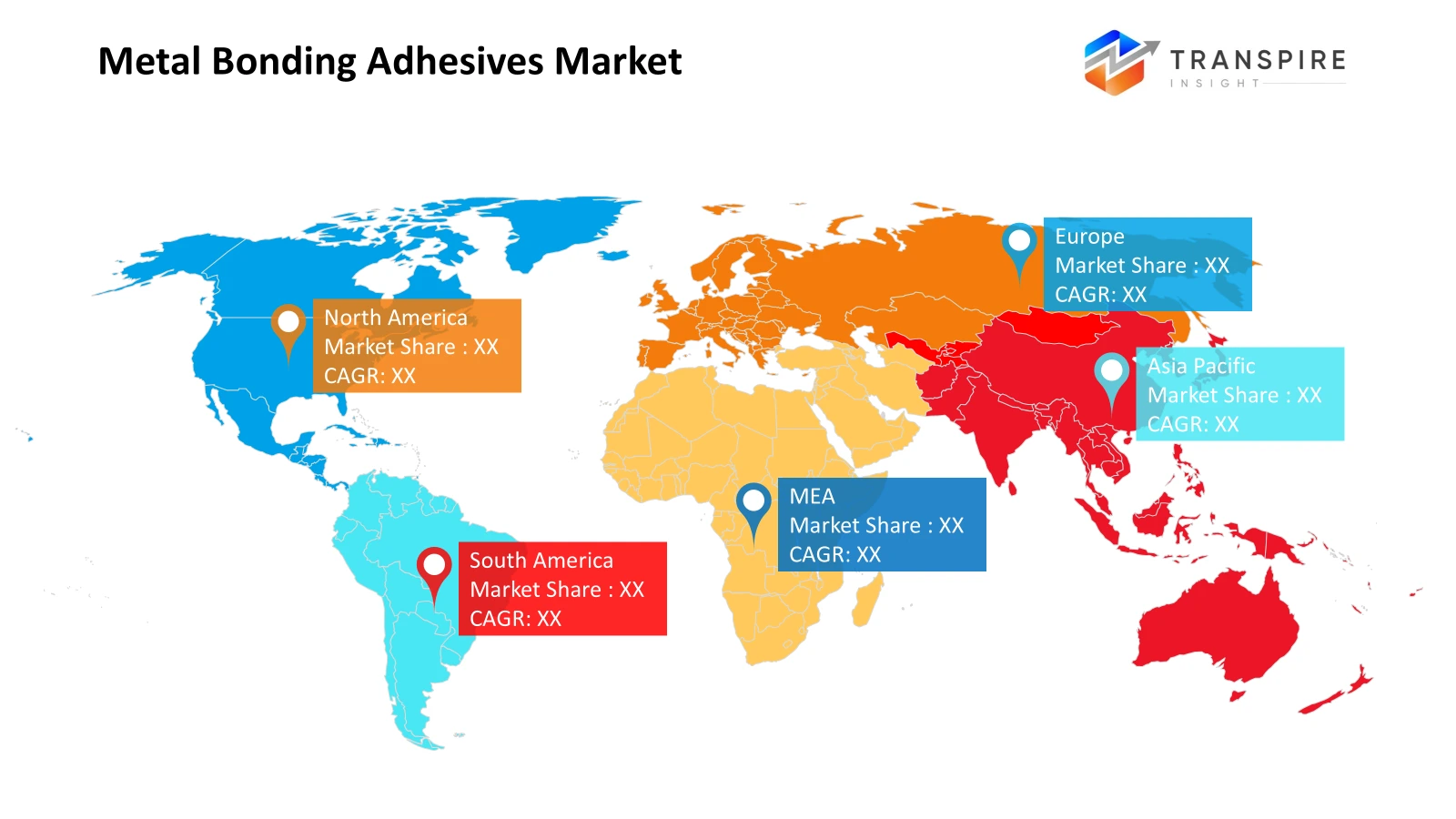
- North America: Largest Market in 2026
- Asia Pacific: Fastest Growing Market
To learn more about this report,  Download Free Sample Report
Key Market Trends Analysis
- The North American market share is estimated to be approximately 32% in 2026. Fueled by robust auto production, aircraft engineering, and factory output, the region pulls ahead. Advanced glue methods catch on fast here, driven less by trend than practical need. Progress rolls forward where machines demand precision bonding. Growth sticks close to industries built on strength and reliability.
- Big car factories give the United States an edge in North America. Innovation in airplane tech pushes it ahead. Major glue makers are based there, too.
- Down under and eastward, factories rise like morning sun. Machines roll off assembly lines faster here than anywhere else on Earth. Roads stretch longer each season into new zones of trade. Circuit boards stack high in warehouses near harbor towns
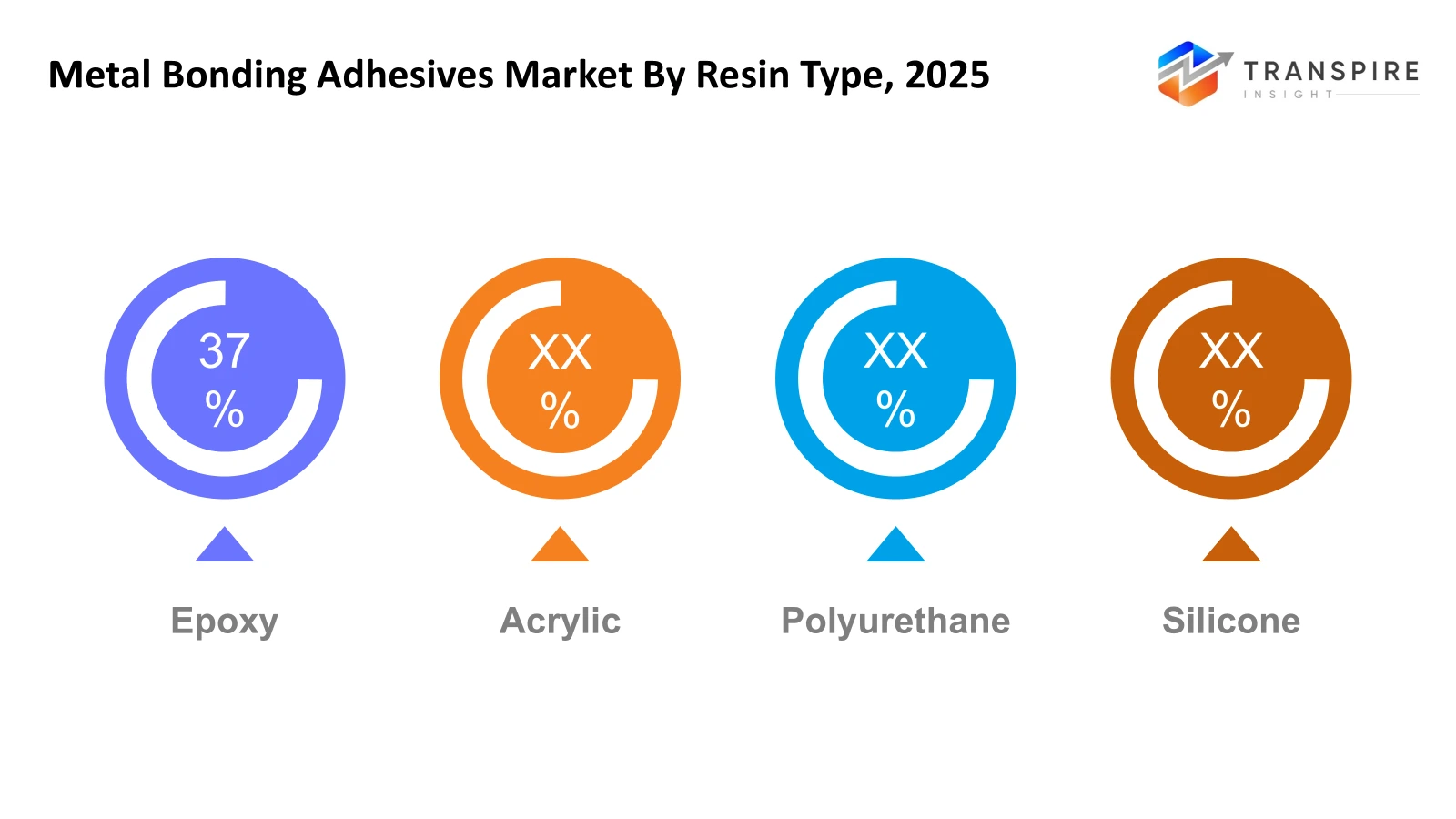
- Epoxy shares approximately 39% in 2026. Epoxy takes the lead. Toughness matters - epoxy delivers it. Heat tries to break bonds, yet epoxy stays strong. Chemicals splash, but they don’t win. Stress pushes hard, still it holds firm. Vehicles need that kind of reliability. So do aircraft. Strength like this does not fade - it lasts where it counts.
- These glues dominate because they bond tightly, harden quickly, and then handle heavy stress without failing. Metal parts stay locked even under tough factory conditions. Their strength shows best where loads are extreme.
- Automotive takes the lead when it comes to application areas. Rising demand for lighter materials pushes its position forward. Instead of traditional methods, manufacturers now rely more on adhesives. These bonds do more than stick parts together - they strengthen the whole frame. Durability becomes a bigger priority with each new model year.
- Weight savings matter most here. Metal glues stick parts tight across planes, trains, boats, and cars. Strength without bulk drives demand in transit work. The fact is, vehicles need tough joints that will not slow them down.
Growth in the metal bonding adhesives market continues at a stable pace, driven by rising needs for dependable and lasting bonds in multiple fields. Wherever tough connections matter, especially those needing endurance against rust and heavy loads, these glues show up often. Welding and bolts may still hold things together, yet glue spreads force more evenly across surfaces. Strength improves when joints rely on adhesive, since weak spots fade. Designs change more easily, too, because parts fit without extra hardware getting in the way. Longevity gains help explain why factories swap old techniques for sticky fixes. Surfaces stick better now thanks to chemistry advances behind the scenes.
From glue chemistry tweaks, progress quietly spreads through markets. Because of sharper formulas, makers now work with epoxy, acrylic, and polyurethane, each tougher than before. Not only do bonds hold better, but they set quicker under heat or chemical stress. When conditions push hard, these sticky solutions keep working inside machines, vehicles, and gadgets. Tougher tasks no longer scare engineers; they reach for new pastes instead.
Weight matters more now, so factories turn to glue instead of bolts. Cars and planes stick parts together these days; lighter builds save fuel while running better. Glue joins different stuff without weakening metal bones. This fits how things get made today, where strength stays intact even when materials differ.
On top of that, heavier factory output teams up with building projects and smarter machines on assembly lines to push the market forward. Firms making things want strong glue methods that save money while lifting both speed and standards. Tougher material needs mix with fresh updates to products and wider use in many fields, helping shape where metal-sticking glues go next over time.
Metal Bonding Adhesives Market Segmentation
By Resin Type
- Epoxy
Strong glue made from epoxy sticks well because it resists chemicals and lasts longer when joining metals. What makes it stand out is how tough it performs under stress. Most builders choose it where heavy loads are involved. Its reliability shows best in harsh conditions.
- Acrylic
Sticky like glue that dries quickly - acrylic adhesives hold tight across many kinds of metal. They grab on fast, bond hard, yet still manage tricky surface mixes without fuss. Metal parts stick well even when conditions shift mid-job.
- Polyurethane
Polyurethane sticks things together well, even when they move or shake a lot. Bouncing around does not break its grip - flexible yet tough by design. It handles stress without snapping as stiffer glues might. Motion-heavy jobs find it reliable, almost naturally so. Performance stays high where shifts and jolts happen daily.
- Silicone
Starting strong under blazing sun or cold, silicone sticks tight where others fail. Heat that melts most glues barely touches this stuff. Outdoors, after months of storms and shine, it holds firm without cracking. Just another day doing what it does.
To learn more about this report, Download Free Sample Report
By Technology
- Solvent-Based
Sure thing sticks well when strength matters - factories often pick these liquid helpers for tough jobs. No problem. They hold tight where others fail.
- Water-Based
Folks lean toward water-based adhesives more these days because they are kinder to nature. Emissions stay low when using them. Rules around pollution find favor with this choice.
- Reactive
Starting strong, these adhesives gain power through a built-in chemical change that locks in toughness over time. Instead of drying, they transform internally, which helps them handle heavy loads and tough conditions. Because of this shift, they work well where lasting bonds matter most - like in load-bearing setups or extreme environments.
- Hot Melt
Sizzling into place, hot melt glue sticks fast without slowing down production lines. Speedy setup means machines keep humming through tasks nonstop. Efficiency jumps when this adhesive joins parts rapidly during assembly.
By Application
- Automotive
Making vehicles lighter while holding parts together tightly. Strong bonds now replace older, heavier methods in many builds. This shift helps meet demands for fuel efficiency without sacrificing safety. Glue does more than seal; it shapes how modern frames come together.
- Aerospace
Flying machines need glue that holds tight, lasts long, weighs little, and strength matters when parts must stay joined under stress.
- Electronics
That’s where adhesives step in, joining metals without conducting heat or electricity too much. Their job includes keeping things stable under temperature swings. Not just glue, they act like shields between pieces. What holds tiny bits in place also resists damage from warmth shifts. Inside devices, these bonds stay firm even when it gets hot or cold.
- Construction
Built things stick together better when glue holds metal parts in place across buildings, walls, or big frameworks. Sometimes it's not bolts or welds doing the work - instead, a strong bond keeps everything solid where it needs to be.
- Industrial Equipment
Firm connections matter when building machines. Because of this, makers often skip bolts for glue. It holds tight under stress while blocking rust. Performance climbs when parts stay sealed. Machines run smoother over time because of it.
- Marine
Besides saltwater and storms, vessels rely on sticky materials that hold tight without rusting. Offshore platforms stick parts together using glues built to survive pounding waves. Boats fasten components with bonds that resist constant dampness and heat. Ships join sections through adhesives made tough against ocean wear.
By End-Users
- Transportation
Fueled by need, transportation takes the lead. Lightweight glue sticks hold things together where cars, planes, and trains are built. Tough bonds matter most in these moving worlds. Demand pushes this area ahead of others. Durability counts when speed and stress join forces.
- Building & Construction
From rooftops to roadways, glue holds materials together in construction work. Where steel meets support, sticky solutions keep things solid. On big builds like bridges or walls, these bonds make sure pieces stay put. Instead of screws or welds, some jobs rely on sealants to join parts tightly. Even when the weather shifts, connections remain strong across structures.
- Electrical & Electronics
Sticking parts together matters a lot in gadgets where exact placement counts. Conductivity needs careful handling during assembly. Heat resistance becomes critical when devices run hot. Precision work relies on reliable bonding methods. Connections must stay stable under changing temperatures.
- Industrial
Firm bonds hold parts together where welding won’t work. Machines move faster when pieces snap into place without screws. Fewer steps mean less downtime across factory floors.
- Energy and Power
Fuel cells hum quietly where glue holds parts tight. Equipment comes together through sticky bonds that last. Renewable setups rely on these links just as much as big machines do. Heavy-duty pieces stay joined because the adhesive works without fuss. Assembly lines move steadily when each connection proves strong.
Regional Insights
Out in front, Asia Pacific leads the Metal Bonding Adhesives scene because factories keep multiplying and car output climbs fast. Not far behind, industries making gadgets and buildings grow stronger every year. Think China, Japan, India, or South Korea; each one runs on massive factory networks that never slow down. Due to heavy spending on roads, rails, and transit systems, their need for durable bonding solutions only deepens. Now, with electric cars rolling off lines quicker than ever, plus more phones and machines being built, these adhesives get pulled into nearly every corner. Tougher jobs mean better materials take center stage, quietly becoming essential behind the scenes.
Heavy industry needs keep North American markets active, especially in plane making, car factories, and large builds. Leading the area is the United States, due to high-end production lines, home bases of top glue makers, while light joining methods gain ground in vehicle and flight tech. On top of that, more money flows into electric cars, green power networks, and fresh engineering tricks help push next-gen glues forward across the landscape.
Heavy industries power Europe's spot near the top of the market rankings. Germany, plus France, alongside the United Kingdom, pulls weight because factories there keep asking for bonds that stick tight but stay light. Out in Latin America, things stir slowly, buildings go up, machines get installed, and roads stretch longer. Much the same. New pipes, fresh grids, and rising walls all need glue that lasts, opening doors where few stuck labels before.
To learn more about this report, Download Free Sample Report
Recent Development News
- January 15, 2026 – BioBond launched BioBased Industrial Adhesive for Mobility and Defense Markets.
- June 12, 2025– Trinseo launched a new adhesive for film labels in Southeast Asia.
|
Report Metrics |
Details |
|
Market size value in 2025 |
USD 7.20 Billion |
|
Market size value in 2026 |
USD 7.80 Billion |
|
Revenue forecast in 2033 |
USD 12.40 Billion |
|
Growth rate |
CAGR of 6.80% from 2026 to 2033 |
|
Base year |
2025 |
|
Historical data |
2021 – 2024 |
|
Forecast period |
2026 – 2033 |
|
Report coverage |
Revenue forecast, competitive landscape, growth factors, and trends |
|
Regional scope |
North America; Europe; Asia Pacific; Latin America; Middle East & Africa |
|
Country scope |
United States; Canada; Mexico; United Kingdom; Germany; France; Italy; Spain; Denmark; Sweden; Norway; China; Japan; India; Australia; South Korea; Thailand; Brazil; Argentina; South Africa; Saudi Arabia; United Arab Emirates |
|
Key company profiled |
3M Company, Henkel AG & Co. KGaA, Sika AG, H.B. Fuller Company, Arkema S.A., Huntsman Corporation, Dow Inc., BASF SE, Avery Dennison Corporation, Illinois Tool Works Inc., Permabond LLC, Parker Hannifin Corporation, Pidilite Industries Limited, Ashland Inc., Bostik SA, Dymax Corporation, and Master Bond Inc |
|
Customization scope |
Free report customization (country, regional & segment scope). Avail customized purchase options to meet your exact research needs. |
|
Report Segmentation |
By Resin Type (Epoxy, Acrylic, Polyurethane, Silicone), By Technology (Solvent-Based, Water-Based, Reactive, Hot Melt), By Application (Automotive, Aerospace, Electronics, Constructions, Industrial Equipment, Marine), By End-Users (Transportation, Building and Construction, Electrical and Electronics, Industrial Manufacturing, Energy and Power) |
Key Metal Bonding Adhesives Company Insights
From Düsseldorf, Germany, Henkel AG & Co. KGaA operates worldwide as a top name in glue tech. LOCTITE, one of its main brands, makes many types of metal-sticking glues found across car, plane, gadget, and factory industries. Though known for strength, these products also endure tough weather because they are built using powerful epoxies, acrylics, or urethanes. Instead of standing still, the firm pushes ahead through science work, spending heavily on new formula discoveries year after year. Because it works in so many countries while offering smart sticking methods, lighter production becomes possible, helping factories connect parts faster.
Key Metal Bonding Adhesives Companies:
- 3M Company
- Henkel AG & Co. KgaA
- Sika AG
- B. Fuller Company
- Arkema S.A.
- Huntsman Corporation
- Dow Inc.
- BASF SE
- Avery Dennison Corporation
- Illinois Tool Works Inc.
- Permabond LLC
- Parker Hannifin Corporation
- Pidilite Industries Limited
- Ashland Inc.
- Bostik SA
- Dymax Corporation
- Master Bond Inc
Global Metal Bonding Adhesives Market Report Segmentation
By Resin Type
- Epoxy
- Acrylic
- Polyurethane
- Silicone
By Technology
- Solvent-Based
- Water-Based
- Reactive
- Hot Melt
By Application
- Automotive
- Aerospace
- Electronics
- Constructions
- Industrial Equipment
- Marine
By End-Users
- Transportation
- Building and Construction
- Electrical and Electronics
- Industrial Manufacturing
- Energy and Power
Regional Outlook
- North America
- United States
- Canada
- Mexico
- Europe
- Germany
- United Kingdom
- France
- Spain
- Italy
- Rest of Europe
- Asia Pacific
- Japan
- China
- Australia & New Zealand
- South Korea
- India
- Rest of Asia Pacific
- South America
- Brazil
- Argentina
- Rest of South America
- Middle East & Africa
- Saudi Arabia
- United Arab Emirates
- South Africa
- Rest of the Middle East & Africa
Frequently Asked Questions
Find quick answers to common questions.
The approximate Metal Bonding Adhesives market size for the market will be USD 12.40 billion in 2033.
Key segments for the Metal Bonding Adhesives Market are By Resin Type (Epoxy, Acrylic, Polyurethane, Silicone), By Technology (Solvent-Based, Water-Based, Reactive, Hot Melt), By Application (Automotive, Aerospace, Electronics, Constructions, Industrial Equipment, Marine), By End-Users (Transportation, Building and Construction, Electrical and Electronics, Industrial Manufacturing, Energy and Power).
Major Metal Bonding Adhesives Market players are 3M Company, Henkel AG & Co. KGaA, Sika AG, H.B. Fuller Company, Arkema S.A., and Huntsman Corporation.
The North America region is leading the Metal Bonding Adhesives Market.
The Metal Bonding Adhesives Market CAGR is 6.80%.
- 3M Company
- Henkel AG & Co. KgaA
- Sika AG
- B. Fuller Company
- Arkema S.A.
- Huntsman Corporation
- Dow Inc.
- BASF SE
- Avery Dennison Corporation
- Illinois Tool Works Inc.
- Permabond LLC
- Parker Hannifin Corporation
- Pidilite Industries Limited
- Ashland Inc.
- Bostik SA
- Dymax Corporation
- Master Bond Inc
Recently Published Reports
-
May 2026
Healthcare Polymer Packaging Market
Healthcare Polymer Packaging Market Size, Share & Analysis Report By Packaging Type (Syringes, IV Bottles and Pouches, Clamshells, Blisters, Bottles & Jars, Containers, Tubes, IV Parental Packaging, Others), By Type (Regulated, Non-regulated), By Polymer Type (LDPE (Low-Density Polyethylene), HDPE (High-Density Polyethylene), Homo-polymer (Homo), Random Copolymer (Random), Block Copolymer (Block), PET, Polystyrene, Polyvinyl Chloride, Polyamide/EVOH, Others), and Geography (North America, Europe, Asia-Pacific, Middle East and Africa, South and Central America), 2021 - 2031
-
Apr 2026
Hydrophilic Tape (Waterstop) Market
Hydrophilic Tape (Waterstop) Market Size, Share & Analysis Report By Type (Bentonite-Based Hydrophilic Tape, Rubber-Based Hydrophilic Tape), By Application (Residential Buildings, Commercial Buildings, Infrastructure Projects), and Geography (North America, Europe, Asia-Pacific, Middle East and Africa, South and Central America), 2021 - 2031
-
Apr 2026
Metalens Market
Metalens Market Size, Share & Analysis Report By Type (Visible Light Metalens, and Infrared Metalens), By Application (Consumer Electronics, Automotive Electronics, Industrial, Medical, and Others), and Geography (North America, Europe, Asia-Pacific, Middle East and Africa, South and Central America), 2021 - 2031
-
Apr 2026
PBT Resin Market
PBT Resin Market Size, Share & Analysis Report By Type (Reinforced PBT Resin, Unreinforced PBT Resin), By Processing Method (Injection Molding, Extrusion, Blow Molding, Others), By End-User (Automotive, Electrical & Electronics, Consumer Appliances, Industrial Machinery, Medical Devices, Packaging, Others), and Geography (North America, Europe, Asia-Pacific, Middle East and Africa, South and Central America), 2021 - 2031