
Jan 29, 2026
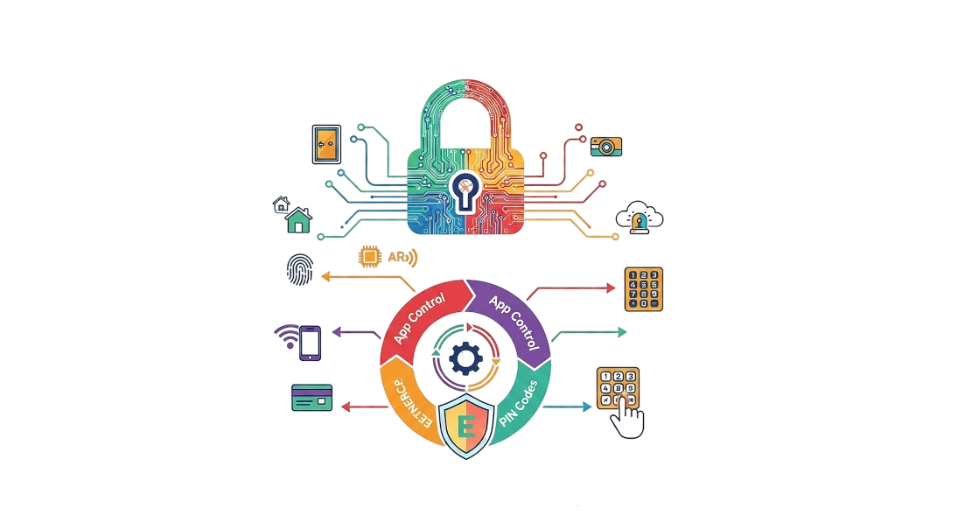
The report “Residential Electronic Home Locks Market By Product Type (Smart Locks, Biometric Locks, Keypad Locks, Card?Based Locks, Others), By Technology (Bluetooth?enabled, Wi?Fi?enabled, Z?Wave / Zigbee, Other Protocols), By End User (Homeowners / Individual Users, Property Managers / Landlords, Installers / Security Providers) and By Distribution Channel (Online Channels, Offline Channels, Direct Sales)” is expected to reach USD 22.85 billion by 2033, registering a CAGR of 13.80% from 2026 to 2033, according to a new report by Transpire Insight.
The residential electronic home locks market has grown at a considerable pace due to the increasing demand for sophisticated home security solutions and convenient access solutions in the urban and suburban areas. The residential electronic home locks market comprises different types of products such as smart locks, biometric locks, keypad locks, and card locks that do not require the use of conventional mechanical locks. The increasing home security concerns among homeowners, along with the increasing adoption of smart home solutions, have been major drivers for the residential electronic home locks market. The trend of using smart home solutions has led to the adoption of Bluetooth, Wi-Fi, and other wireless technologies in these solutions.
Market growth is directly related to the overall adoption of IoT technology in residential settings. Smart locks are increasingly being integrated into a holistic smart home system that comprises thermostats, cameras, and lighting solutions. Increased per capita spending in developing nations and renovation work in developed countries has further fueled the demand for electronic locking solutions. Government focus on a safe residential infrastructure and government support in most countries have further fueled the adoption of smart locks. The retail and e-commerce segment is increasingly becoming a significant channel for product accessibility for various consumer groups.
The demand for electronic home locks is also being fueled by the real estate and rental market. Property owners and managers are now integrating sophisticated access control solutions to improve the customer experience, simplify operations associated with lost keys, and provide flexible access management. Multi-unit residential properties and gated communities are some of the sectors that have adopted electronic locks. The flexibility of these solutions enables customizable access codes and remote updates, which are ideal for changing user requirements.
The Smart Locks segment is projected to witness the highest CAGR in the Residential Electronic Home Locks during the forecast period.
According to Transpire Insight, Smart locks are the most prominent product segment in the residential electronic home locks market due to the growing demand for convenience-driven and connected security solutions. Smart locks do not require the use of physical keys and can be accessed using smartphones, mobile applications, PINs or voice-controlled assistants. The growing adoption of smart homes and IoT-enabled residential infrastructure has directly contributed to the growing demand for smart locks in residential settings.
The compatibility of smart locks with home automation systems enables hassle-free integration with lighting, surveillance and alarm systems, thereby adding more value to the product. Real-time access logs, remote locking capabilities and temporary digital access have further contributed to the growing adoption of smart locks among homeowners and property managers. Product development initiatives aimed at improving encryption battery life and installation ease have further increased acceptance among the mid-range and high-end residential segments.
The Wi?Fi?enabled segment is projected to witness the highest CAGR in the Residential Electronic Home Locks during the forecast period.
Technologically, Wi-Fi-enabled locks are at the forefront because of their capacity to enable remote access, control, and monitoring via internet connectivity. Wi-Fi-enabled locks enable residents and property managers to control door access from anywhere which is ideal for contemporary living. Wi-Fi technology is highly preferred because of its capacity to enable advanced features such as instant alerts and activity tracking. The increasing use of mobile applications for home management has ensured the adoption of Wi-Fi-enabled locking systems. Wi-Fi technology is highly preferred because of its capacity to enable advanced features such as integration with surveillance systems.
From an analytical perspective, Wi-Fi-enabled locks are meeting the growing demand for flexibility and visibility in residential security. The adoption of Wi-Fi-enabled locks is especially prevalent in rental apartments, serviced apartments and urban housing, where remote access management is critical. The development of high-speed internet infrastructure and improvements in wireless reliability in various regions are factors that support growth. While increased power consumption and internet dependence are still challenges, technological advancements in energy efficiency and backup connectivity are mitigating these factors. As the demand for a completely connected residential environment grows Wi-Fi-enabled locks are becoming increasingly relevant in the technology space.
The Homeowners / Individual Users segment is projected to witness the highest CAGR in the Residential Electronic Home Locks during the forecast period.
According to Transpire Insight, The largest end-use market for residential electronic home locks is comprised of homeowners, who are driven by the growing emphasis on personal security, convenience and smart living. Electronic locks provide homeowners with keyless entry, permission settings and remote monitoring which are in line with the growing residential lifestyle trends. Higher disposable incomes and greater familiarity with advanced security technology have fueled adoption in both new constructions and renovation projects. Homeowners appreciate features such as temporary access codes for visitors, service personnel or delivery personnel, which provide greater flexibility and security. Smart home system integration further enhances the product by providing homeowners with centralized control of residential security.
Market analysis shows that homeowner demand is driven by urbanization and the growing adoption of smart devices. Homeowners in urban areas are particularly enthusiastic about digital solutions over traditional mechanical solutions. The ease of installing electronic locks on existing doors has further lowered barriers to adoption. Vendors have increasingly begun to target homeowners with design-centric products and easier installation methods. As consumer expectations for convenience, connectivity and security continue to escalate homeowners remain the principal drivers of demand for product innovation and overall market growth.
The Online Channels segment is projected to witness the highest CAGR in the Residential Electronic Home Locks during the forecast period.
The online platform leads the distribution scenario in the residential electronic home locks market. This is because of the growing adoption of digital technology and the shift in consumer behavior patterns. E-commerce websites enable consumers to access a wide range of products. This makes it easy for them to compare the characteristics, prices and specifications of different products. The provision of detailed product descriptions, reviews and installation instructions facilitates informed decision-making. Online platforms are also preferred because of competitive prices, regular discounts and home delivery.
Online channels allow the manufacturer to reach a broader audience without relying heavily on retail networks. Direct-to-consumer channels allow for better control of branding, pricing, and customer interaction. Online channels also facilitate the quick launch of new products and upgrades. The adoption rate of online purchasing is high among tech-savvy homeowners and city dwellers.
The North America region is projected to witness the highest CAGR in the Residential Electronic Home Locks during the forecast period.
North America is a prominent regional market for electronic home locks, with a high disposable income and an early adoption of smart home solutions. In the United States and Canada, consumers are increasingly incorporating smart devices into their homes, and advanced lock systems are a natural fit with this trend. The region’s advanced digital infrastructure and consumer awareness of home security drive demand for smart and biometric lock solutions. Moreover, the widespread availability of high-speed internet and wireless networks enables the adoption of Wi-Fi and Bluetooth-enabled solutions.
Real estate projects in the suburbs and cities also drive the regional market, with developers incorporating smart security solutions to increase the value of properties and appeal to tech-savvy consumers. In North America, the collaboration of manufacturers and smart home platform companies also drives interoperability, making the solution more attractive to consumers looking for a connected ecosystem that integrates lighting, temperature control, and access solutions.
Key Players
The top 15 players in the Residential Electronic Home Locks market include ASSA ABLOY AB, Allegion plc, Spectrum Brands Holdings, Inc, Samsung Electronics Co., Ltd, Honeywell International Inc, Dormakaba Holding AG, Master Lock Company LLC, Salto Systems S.L, Igloohome Pte Ltd, HavenLock Inc, Lockly Inc, Nuki Home Solutions GmbH, UniKey Technologies, August Home, Inc and Xiaomi Corporation.
Drop us an email at:
Call us on:
+91 7666513636

 inquiry@transpireinsight.com
 APAC:+91 7666513636
 Address





