
Jan 20, 2026
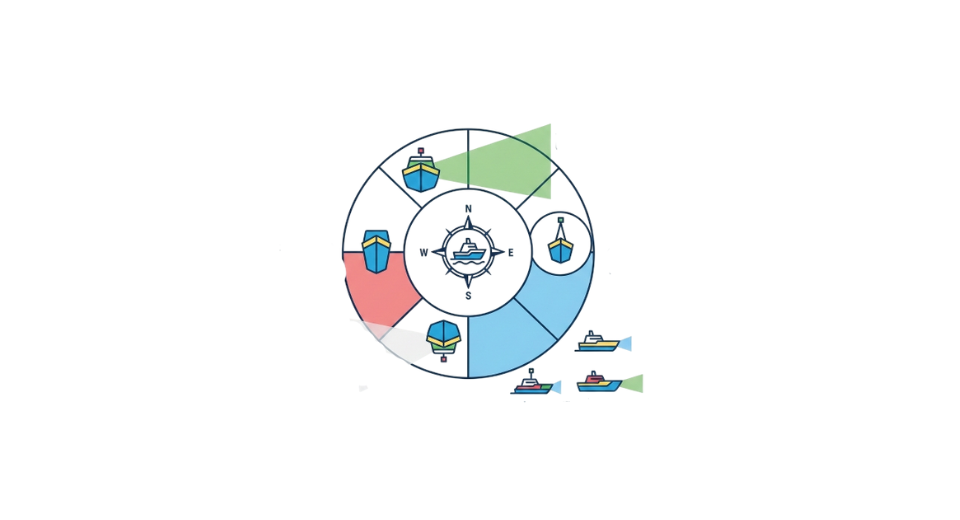
The report “Navigation Lighting Market By Type (Sidelights, Stern Light, All-Around Light, Masthead Light, Others), By Technology (LED, HID, Incandescent, Halogen, Solar), By Installation Type (Fixed, Portable, Surface Mount) and By End Use (Marine, Aviation)” is expected to reach USD 3.45 billion by 2033, registering a CAGR of 8.90% from 2026 to 2033, according to a new report by Transpire Insight.
The market for navigation lighting systems is very significant in ensuring the safety and efficiency of maritime and aviation activities. These lighting systems serve the major function of ensuring the visibility during nighttime activities, in low-light conditions, and in inclement weather, thus aiding the respective crafts in maintaining the necessary orientation and avoiding collisions. In the past, the industry has seen the transition of navigation lighting systems technology, starting from the conventional incandescent technology to the modern technology used in the production of high-intensity LEDs, HID, and solar-powered systems. The market is observing rapid growth because of the growing maritime trade in the global market as well as the rise in air traffic. The maritime business of transportation, as well as the sport of sailing, has always resulted in a growing demand for advanced navigation lighting. The aviation market is moving towards adopting cutting-edge lighting technology for flight start-up, landing, and taxi guidance to help operate in a busy airspace. The growing demand is a result of reduced energy consumption by the technology used in LEDs and solar lighting. Increasing investments in new infrastructure such as port construction, airport expansion, and sport marinas are opening up new avenues for market expansion. Product developers now emphasize the design of innovative products offering superior resistance properties, intelligence in controls, and IoT capabilities for monitoring functions. Portable and wall-mount solutions provide ease of mobility for temporary or emergency applications, providing full coverage in operational environments. Adoption of solar power solutions also supports the trend towards sustainability in the marine and aviation industries.
Competitive scenario in the global navigation lighting market is presently reflected by global and regional competitors providing distinct solutions to fulfill particular needs. Organizations have been investing in R&D activities to improvise their solutions for dependability, efficiency, and robustness while abiding by global norms. Markets with a considerably high amount of maritime traffic, a rising number of private boats, and a growing number of flights have displayed vigorous growth. Besides this, advancements in energy-efficient lighting solutions and smart systems would keep fueling growth.
The Sidelights segment is projected to witness the highest CAGR in the Navigation Lighting during the forecast period.
According to Transpire Insight, The sidelights represent the leading segment within the navigation lighting market, as they are basically used to show vessel or aircraft direction and orientation. Sidelights, positioned on port and starboard sides, assist significantly in collision avoidance, particularly in busy waterways and controlled airspaces. Their mandatory inclusion in international maritime and aviation regulations ensures that there is always demand across commercial, defense, and recreational applications. Growing nighttime operations and high levels of traffic add more to the importance of dependable and highly visible sidelights, warranting their steady adoption across regions.
From a technological viewpoint sidelights have benefited tremendously from the integration of LEDs including increased brightness, extended life, and higher energy efficiency. Product development within the industry continues to be centered on compact designs, resistance to corrosion, and support for recent changes to regulatory standards. The segment's leadership is further cemented by replacement demand due to modernization of legacy incandescent systems with new LED-based sidelights. With an increase in shipping volumes globally, alongside an expansion of recreational boating, sidelights remain an essential component in safety, sustaining their position as the most important and widely adopted navigation lighting type.
The LED segment is projected to witness the highest CAGR in the Navigation Lighting during the forecast period.
LED lighting technology is currently the most predominant in the market of navigation lighting because of its higher energy efficiency, longer lifespan, and low maintenance requirements. In regard to power consumption, LED navigation lights are much more efficient as opposed to the older incandescent and halogen lighting technologies currently in use in the market. The reliability of LED lighting in providing a constant illumination intensity in challenging conditions further makes it preferable in the maritime and aviation industries for navigation lighting solutions.
The use of LEDs in navigation lighting is aided by regulatory requirements for compliance and sustainable development programs. The main factor considered by operators for reducing life-cycle costs is being addressed by LEDs. The recent advancements in optics and heat management for LEDs have enhanced visibility ranges. With smart and solar-powered lighting systems finding prominence, LED technology is the basis for which it is leading, hence impacting the markets largely.
The Fixed segment is projected to witness the highest CAGR in the Navigation Lighting during the forecast period.
According to Transpire Insight, The largest market share for navigation light fixtures is captured by fixed installation navigation lights because of the dependability, stability, and usability that these provide. Permanently installed light fixtures find widespread applications in commercial vessels, platforms, airports, and large planes, given the importance of the systems in the respective applications. Additionally, fixed installations provide continuous visibility and have low chances of becoming misaligned or getting damaged.
This market enjoys the effects of infrastructure development in port construction, shipyard infrastructure, and airport development. Modern navigation lights, which combine fixed lights and advanced LEDs, have become increasingly popular due to their superior longevity and reduced maintenance costs. Demand generated by the replacement of aging lights, in particular, has emerged as another major factor because of the need for lights in the maritime and air transport infrastructure to conform to present-day safety and performance requirements.
The Marine segment is projected to witness the highest CAGR in the Navigation Lighting during the forecast period.
The maritime market is currently the largest end-use segment in the navigation lighting market due to a large number of maritime activities globally. The demand for navigation lighting solutions is created through maritime activities, which are comprised of sailing vessels, maritime industries of countries that derive fuel through offshore energy production, the military, and recreational sailing activities.
The marine industry is also embracing more advanced LED and solar-powered navigation lighting systems to improve illumination efficiency. This is due to the adherence to global regulations on boat lighting. The regulations make sure that lighting is standardized worldwide. This results in steady demand even in the light of economic downturns. The rising demand for recreational watercraft is also leading to demands from the industry for aesthetically enhanced lighting systems. The marine industry is fueling the market as global maritime trade continues to rise.
The North America region is projected to witness the highest CAGR in the Navigation Lighting during the forecast period.
North America is an important regional market for navigation lighting, facilitated by the robust maritime and aviation infrastructure base in the United States of America, Canada, and Mexico. The region has a large number of vessels in operation, established maritime presence, offshore energy exploration activities, and an established recreational boating market. The rigid implementation of norms and regulations concerning maritime and aviation safety creates a continuous market for navigation lighting solutions that conform to regulations and standards. Furthermore, periodic replacement of vessels and infrastructure development initiatives maintain a healthy market in the region, especially in major ports and international airport terminals.
The adoption of technology in North America continues to be at an advanced level with a strong focus and demand for LED and solar-powered navigation lighting options. Many operators continue to invest in fixed and surface-mount solutions for navigation lighting that are made to last in harsh environments. The United States happens to be the main contributor to the demand for navigation lighting in the region due to the high number of activities carried out along the coastlines as well as aviation traffic. The country of Canada and Mexico are the other contributors through commercial maritime activities.
Key Players
The top 15 players in the Navigation Lighting market include Hella Marine, Perko Inc., Aqua Signal under Glamox AS, Lopolight ApS, and Sealite Pty Ltd, alongside Vega Industries, Den Haan Rotterdam B.V., and Tideland Signal. Additional key participants include Attwood Corporation, Lumitec LLC, OceanLED, Phoenix Products LLC, Navisafe AS, Osculati S.p.A., and Honeywell International Inc.
Drop us an email at:
Call us on:
+91 7666513636

 inquiry@transpireinsight.com
 APAC:+91 7666513636
 Address





