
Feb 24, 2026
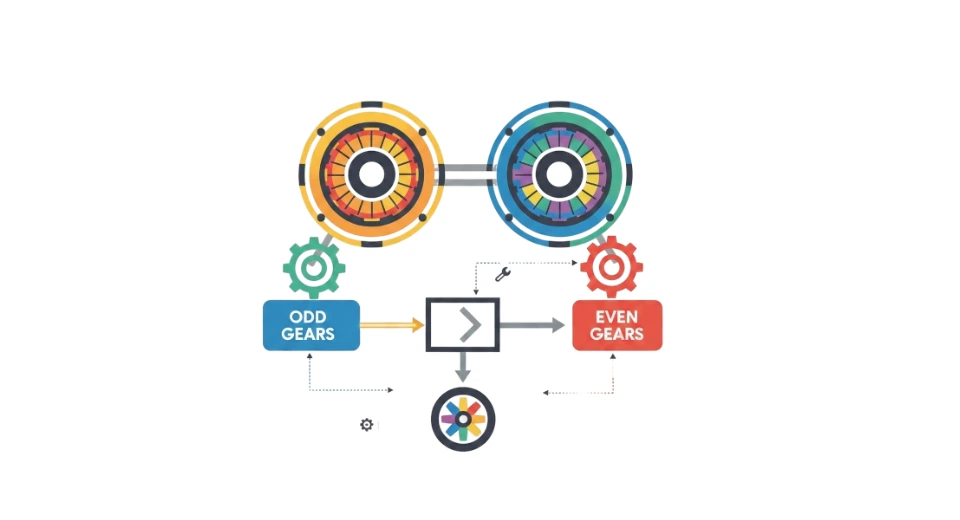
Dual Clutch Transmission Market By Transmission Type (Dry Dual Clutch Transmission, Wet Dual Clutch Transmission), By Vehicle Type (Passenger Cars, Commercial Vehicles), By Drive Type (Front-Wheel Drive, Rear-Wheel Drive, All-Wheel Drive), By End-Users (OEM, Aftermarket)” is expected to reach USD 44.00 billion by 2033, registering a CAGR of 6.10% from 2026 to 2033, according to a new report by Transpire Insight.
Smooth shifts come easier with dual clutch setups, so more drivers notice the difference behind the wheel. Efficiency climbs when gears change more quickly than a manual ever could. Comfort steps up without losing that connected feel people want on long drives. Some brands lean into these traits to stand out where speed and mileage matter most. Demand grows quietly but surely as choices shift beyond old-school options. Performance rides higher even when traffic crawls through city blocks. Fuel savings add up in ways few expected just years ago. Drivers keep returning to models built around this kind of precision. Automakers respond by fitting more lines with what feels like second nature now. What once seemed complex becomes normal under real-world pressure.
Fueled by a growing liking for self-shifting cars, demand for dual-clutch transmissions keeps climbing. Because these gearboxes sharpen responsiveness, manufacturers now fit them more often in fresh vehicle designs meeting tighter efficiency rules at the same time. In high-end, fast, or electric-assist models, their role stands out, handling power smoothly when speed and control matter most.
Faster computers inside cars help dual-clutch transmissions run more smoothly. Because new metals weigh less, these systems work better over time. Even though building them remains expensive, companies keep trying fresh designs. Some brands train more mechanics to fix them quickly. Lighter parts join smarter programs behind the scenes. Growth shows up in trucks just as much as in small cars. Machines shift faster without wearing out. Each update makes repairs easier down the road. Progress hides under the hood where few notice.
The Wet Dual Clutch Transmission segment is projected to witness the highest CAGR in the Dual Clutch Transmission market during the forecast period.
According to Transpire Insight, the Wet Dual Clutch Transmission market should grow fastest in the coming years. Because it lasts longer, handles heat better, plus transfers more torque than dry versions, it’s chosen often. High-end cars, powerful models, and heavier machines lean toward this type shifts feel smoother, power flows without breaks. Vehicle makers push for stronger output alongside tighter fuel rules; that balance lifts demand. Across regions, use of wet DCT systems climbs steadily.
More people want cars that have smarter gear systems. Because of this, makers now fit hybrids and powerful engines with wet dual clutches. Work on these parts keeps going, and engineers tweak how they work so they last longer and weigh less. Changes like smoother shifting or tighter responses help car brands offer something better without adding bulk. As progress continues, buyers notice improvements even if they do not know the details behind them. Over time, steady upgrades support wider use across new vehicle models appearing every year. Growth looks likely as long as performance gains meet real-world needs.
The Passenger Cars segment is projected to witness the highest CAGR in the Dual Clutch Transmission market during the forecast period.
Smooth rides and less fuel burn keep pulling buyers toward cars using dual clutch setups. Rising appetite for snappier shifting without sacrificing economy. Sedans, hatchbacks, and even small SUVs now pack these systems more often than before. Tighter pollution rules add pressure - makers respond with smarter transmission choices. Performance wants a seat too - not just mileage but how it feels behind the wheel. Growth is not random - it ties back to what drivers actually value today. Fuel-sipping traits plus steady power flow make this tech stick around. No flashy promises - just mechanics matching real-world needs.
More people choosing hybrid and electric cars helps push up the need for DCT setups, since these handle power smoothly while keeping shifts sharp. Not stuck on old designs, automakers now pack newer models with smarter transmissions to stand out, turning everyday vehicles into a major force behind dual clutch growth.
The Front Wheel Drive segment is projected to witness the highest CAGR in the Dual Clutch Transmission market during the forecast period.
According to Transpire Insight, despite growing demand across drivetrain types, front-wheel drive systems are expected to grow fastest in the dual clutch transmission sector over the coming years. They cut production costs while saving room under the hood. Compact and mid-size models benefit most from this layout. Many carmakers choose it because it simplifies how engines and gearboxes fit together. Fuel economy gets a quiet boost, too. Handling feels more predictable on regular roads, which matters to drivers who spend hours commuting. This setup just makes sense for daily use.
Now more than ever, car makers link dual clutch setups with front wheel drive designs to lift ride quality, deliver fast, seamless shifting, while hitting tighter fuel rules. Starting in crowded cities and developing regions, the blend of forward drive mechanics plus smart DCT tools draws attention where saving fuel, steady performance, and less upkeep spending matter most. Growth follows close behind.
The OEM segment is projected to witness the highest CAGR in the Dual Clutch Transmission market during the forecast period.
Despite rising competition, it's the OEM side of things that's set to grow fastest in the Dual Clutch Transmission space over the coming years. Built straight into new cars, these transmissions become part of the initial design rather than an afterthought. Automakers find them useful because they boost mileage numbers while delivering quicker, more seamless shifting. Performance improves too, something buyers are starting to expect as standard. Regulations push this shift just as much as customer demand does.
Now more than ever, vehicle makers fit cars and trucks with dual clutch gearboxes to sharpen handling while smoothing out engine response. Driven by steady R&D spending, auto producers aim at crafting DCT setups that shed weight, last longer, yet pack smarter tech, pushing this corner of the industry forward across the years ahead.
The North America region is projected to witness the highest CAGR in the Dual Clutch Transmission market during the forecast period.
Fuel efficiency matters more now across North America, so drivers lean toward vehicles with sharper performance this pushes growth for dual clutch transmissions. Automakers respond by fitting the tech into cars, sport utility models, even hybrids, chasing seamless shifting without sacrificing mileage. Comfort on long drives gains importance too, nudging both buyers and builders in the same direction. Smarter engineering finds its place under hoods where old designs once ruled, quietly changing expectations.
Big car factories already exist across the United States, helping it lead North America in making vehicles. Because many drivers there choose automatic or near-automatic models, demand stays steady. Performance machines and upscale models with dual-clutch gearboxes keep gaining attention. Instead of fading, these transmissions appear more often under the hoods of hybrids and electric cars, too. Car makers based locally push updates that improve how things work. Rules set by authorities also quietly encourage progress behind the scenes. Progress like this keeps the region deeply involved in worldwide trends around such technology.
Key Players
Top companies include Volkswagen AG, BorgWarner Inc., ZF Friedrichshafen AG, Getrag (Magna International), Aisin Seiki Co., Ltd., Jatco Ltd., Schaeffler AG, Daimler AG, Hyundai Mobis, Ford Motor Company, Toyota Motor Corporation, Kia Corporation, Honda Motor Co., Ltd., Magneti Marelli S.p.A., General Motors Company, Mitsubishi Electric Corporation, and Continental AG.
Drop us an email at:
Call us on:
+91 7666513636

 inquiry@transpireinsight.com
 APAC:+91 7666513636
 Address





