
Jan 28, 2026
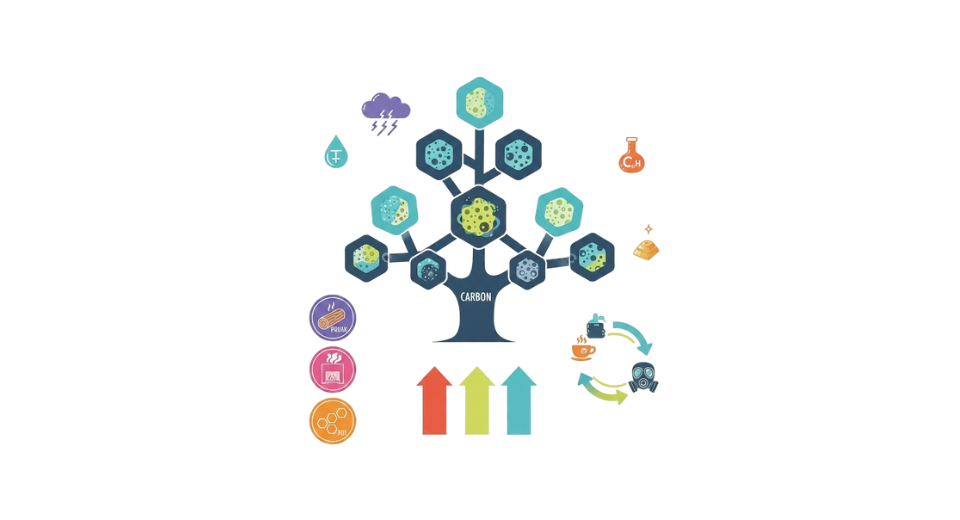
The report “Activated Carbon Market By Product Type (Powdered Activated Carbon, Granular Activated Carbon, Pelletized Activated Carbon), By Raw Material (Coal-Based Activated Carbon, Coconut Shell-Based Activated Carbon, Wood-Based Activated Carbon, Others), By Distribution Channel (Direct Sales, Distributors & Dealers), By Application (Water Treatment, Air & Gas Purification, Food & Beverages, Pharmaceutical & Medical, Industrial Processing, Automotive, Others)” is expected to reach USD 13.10 billion by 2033, registering a CAGR of 8.00% from 2026 to 2033, according to a new report by Transpire Insight.
Because of rising concern for clean environments, demand grows quietly behind the scenes. Purification work relies heavily on tiny black particles found in filters everywhere. These materials pull unwanted smells and toxins from liquids and gases without drawing attention. From city water plants to medicine labs, they do steady jobs day after day. Factories depend on them just as much as farms or beverage makers. Cleaner air standards push more industries toward using such solutions now than before. Hidden yet vital, their role expands where pollution matters most.
Now it's not just about better tech activation methods, but also about how markets move. Pore design gets tweaked, often with an eye on who will actually use the product. Performance jumps happen when materials bind more efficiently, sometimes thanks to slight formula shifts. Firms adjust regeneration steps because users want longer life between replacements. Specific needs shape new versions, pushing companies past one-size-fits-all blends. Lately, what grows in fields matters as much as what comes from labs. Plant-based inputs appear more often. Even supply routes adapt, quietly reshaping where things come from. Making stuff now means rethinking every stage, especially waste and reuse.
Fresh rules about dirty water, smoke in the air, and factory trash keep shaping what buyers want. Because laws get tougher, factories and towns now lean on solid cleaning methods that lift activated carbon into sharper focus. Not just red tape, though; growing cities and new industrial sites also feed slow but sure market growth over time.
The Granular Activated Carbon segment is projected to witness the highest CAGR in the Activated Carbon market during the forecast period.
According to Transpire Insight, because of its wide use in constant filtering for cleaning water and air, granular activated carbon should grow fastest. Municipal facilities plus big factories often pick it; regeneration works well, and reuse fits operations. Solid build helps too, never drops performance when pulling impurities out. Reliable results across long runs.
Now, more scrutiny around clean water and factory pollution pushes wider use of granular activated carbon. With companies seeking durable ways to filter contaminants, purchases grow- steady growth seen everywhere from advanced economies to fast-growing regions.
The Coal-Based Activated Carbon segment is projected to witness the highest CAGR in the Activated Carbon market during the forecast period.
Still dominant today, coal-derived activated carbon works well in big cleaning jobs because it handles many tasks reliably. Starting with how pores form inside, they grab different pollutants efficiently, which helps clean city drinking supplies, factory runoff, and indoor air too. When steady results matter most, users often pick these versions since supply stays ample and behavior is predictable over time. Ending on durability, their track record supports repeated use without surprise shifts in function.
Built on decades of refinement, coal-powered activated carbon leans into existing factories and steady pricing, especially where coal is plentiful. Where demand runs high, like in energy stations or chemical hubs, it scales without strain. Even as plant-sourced alternatives gain ground, their dependability keeps them anchored in industries that can’t risk hiccups. Supply lines stay firm, costs hold low, outcomes remain predictable, and that balance still sways choices today.
The Direct Sales segment is projected to witness the highest CAGR in the Activated Carbon market during the forecast period.
According to Transpire Insight, Big buyers like city water departments, factories, and power plants often buy activated carbon straight from producers. Because they need steady deliveries, going direct helps them get the exact specs their systems require. Getting products without middlemen means fewer surprises in performance over time. When special types of carbon are needed, this route makes it easier to stay on track. Long-term projects benefit when support comes hand-in-hand with each shipment. Consistency matters most where filters run nonstop. Fewer links in the chain reduce delays that could slow down treatment work.
Manufacturers who sell directly often lock in long deals with major buyers, which tightens the flow of goods while trimming expenses. Cutting out middle players means prices stay lower, shipments move quicker, and one solution fits specific needs better. When rules tighten and expectations rise, selling straight to the buyer stands out as not flashy, just reliable, and it works.
The Water Treatment segment is projected to witness the highest CAGR in the Activated Carbon market during the forecast period.
Water cleaning takes up the biggest share of the activated carbon market, growing quickly thanks to the rising worldwide need for safe drinking water, along with tough rules on how wastewater must be released. Because it pulls out pollutants like chlorine, smells, and dangerous substances from city and factory water lines, activated carbon shows up everywhere in purification setups. Its steady performance across different kinds of water feeds keeps it ahead in this area, where adaptability matters just as much as speed. Even under changing conditions, few materials match what it delivers when purity counts.
With cities growing fast, more people living close together, plus factories spreading out, fresh funding keeps flowing into building better water cleaning plants. Because rules on clean water are getting tighter everywhere, thanks to government pushes, activated carbon finds its way into more systems. When shortages and dirty water become harder problems, the need for cleanup methods stays high. This steady pressure makes water treatment a central force behind the rising use of activated carbon.
The North America region is projected to witness the highest CAGR in the Activated Carbon market during the forecast period.
Despite being long developed, North America keeps advancing its use of activated carbon through modern tech and solid public utilities. Because rules on clean water, factory output, and airborne pollutants are tough here, the need for effective filtering materials. In this scene, the United States stands out, pulling most of the demand, leaning heavily on purification setups for drinking supplies, exhaust processing, and fumes from vehicles. Equipment that handles gases, cleans fluids, or traps contaminants finds regular work across industries nationwide.
Fresh attention across North America sees makers and users lean into greener methods - relying more on reusable resources, boosting recovery speed, and helping wider acceptance take hold. Spending keeps flowing toward updated facilities, routine swaps, and smarter filtering tech, pushing consistent gains forward. With rules tightening and factories aiming higher at clean operations, demand holds strong for both grainy and charcoal-style active carbon stuff.
Key Players
Top companies include Cabot Corporation, Calgon Carbon Corporation, Kuraray Co. Ltd., Haycarb PLC, Donau Carbon GmbH, Jacobi Carbons AB, Resintech Inc., Carbon Activated Corporation, Osaka Gas Chemicals Co. Ltd., Tokuyama Corporation, Norit Activated Carbon (now part of Cabot), Filtrasorb Activated Carbon, Kureha Corporation, Hayashi Pure Chemical Industries Ltd., and Ingevity Corporation.
Drop us an email at:
Call us on:
+91 7666513636

 inquiry@transpireinsight.com
 APAC:+91 7666513636
 Address





