
Pharmaceutical Market Summary:
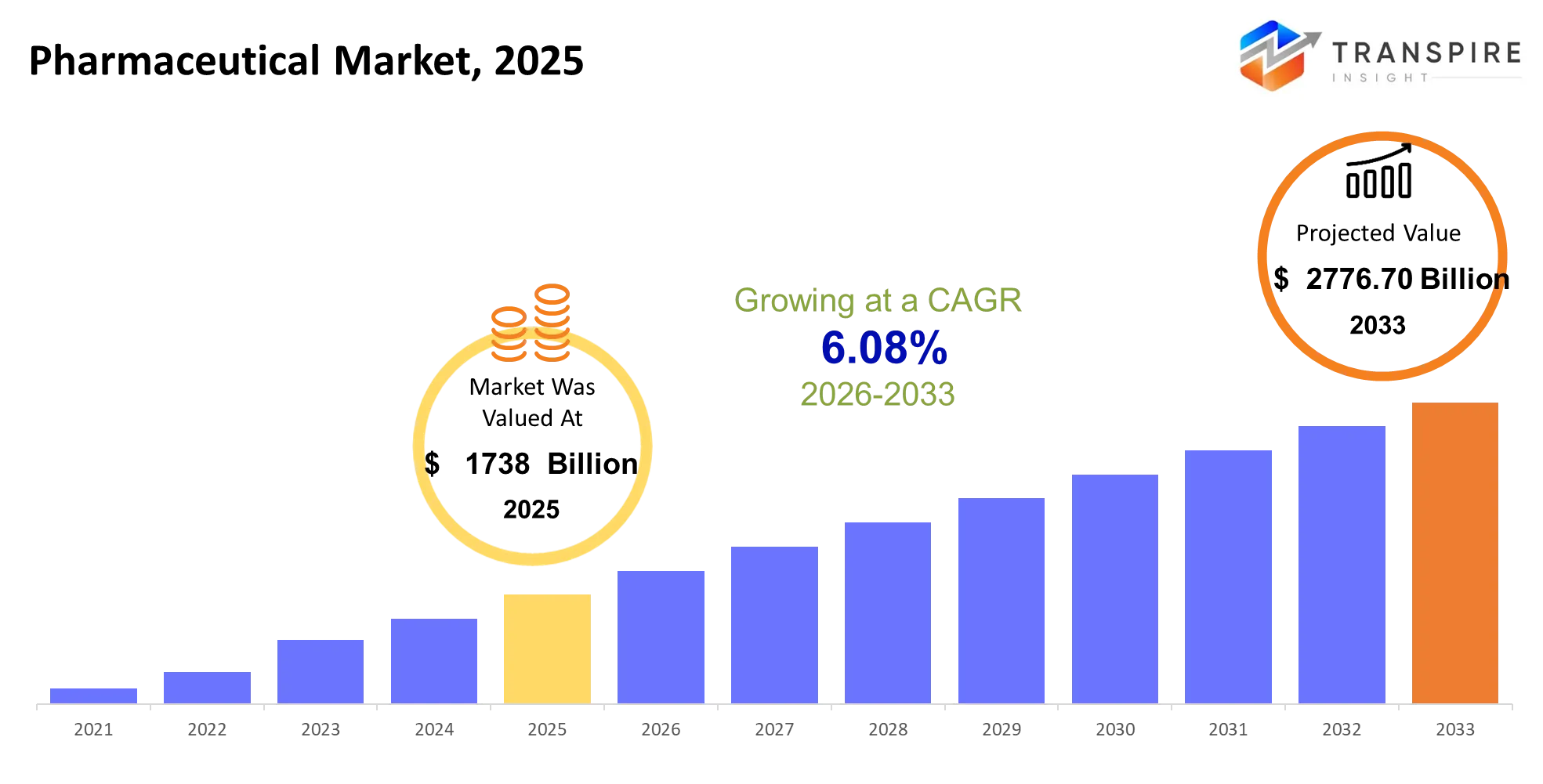
As per the Transpire Insight Analysis, The Pharmaceutical Market size is estimated at USD 1738 billion in 2025 and is anticipated to reach USD 2776.70 billion by 2033, growing at a CAGR of 6.80% from 2026 to 2033.
The Mercado Farmacutico market is shifting from a model centred on medicine supply in volume to the delivery of technologically-enabled, data-driven and highly specialised treatment. Biologics, biosimilars, precision therapies, and digitalised manufacturing have taken new strategic prominence over the past three to five years, while supply-chain resilience has matured from an operational concern to a policy imperative. A fundamental structural shift is occurring in the form of a penetration of artificial intelligence, model-informed development, and advanced manufacturing across discovery, trials, production, and surveillance. Programs introduced by the FDA to enable real-time clinical trials, model-informed drug development, and on-shoring of manufacturing underpin the trend. Growth will increasingly depend on shorter, smarter development times, better-targeted therapies, and resilient manufacturing that generates faster evidence for viable medicines while buffers and de-risking approaches ensure supply. Concurrently, a growing portfolio of generic and speciality medicines addresses hospital, retail, and homecare channels with increasing reach.
Pharmaceutical Market Size & Forecast:
- Market Size 2025: USD 1738 Billion
- Expected Market Value (2033): USD 2776.70 Billion
- Forecast CAGR (2026–2033): 6.80%
- Leading Region in 2025: North America
- Fastest Growing Region: Asia-Pacific
- Key Company Profiles: Pfizer, Johnson & Johnson, Roche, Novartis, Merck & Co., AbbVie, AstraZeneca, Sanofi, Bristol Myers Squibb, Eli Lilly, GSK, Novo Nordisk, Bayer, Amgen, Takeda.
Key Pharmaceutical Market Insights:
The market is moving toward specialising in evidence-based medicines, and distribution and development are becoming more digital. The ability to simultaneously achieve therapeutic innovation and affordability, manufacturing reliability, and measurable patient outcomes is now essential for growth.
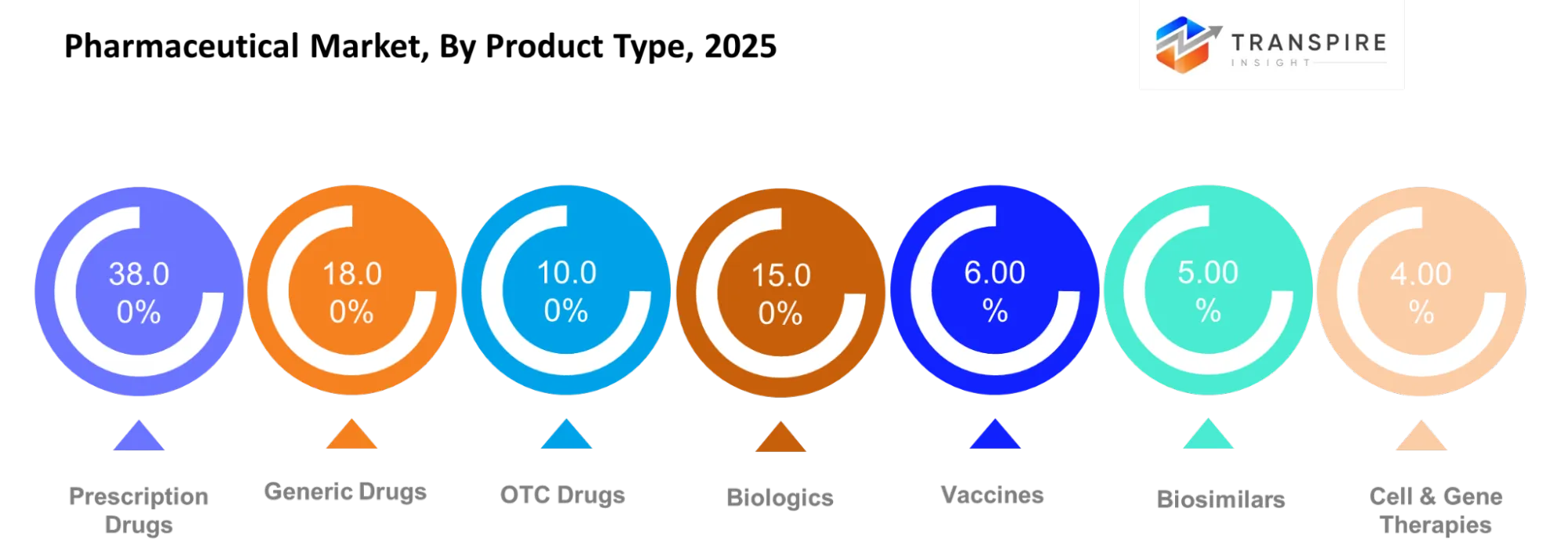
- Prescription drugs account for 38.00%, and digital platforms help with adherence to chronic care and targeted launches, while Pfizer is rationalising its cost base.
- Generic drugs make up 18.00%, and Teva-style price competition is growing as hospitals switch to procurement-led substitution due to patent expiration.
- Biologics make up 15.00%, and precision oncology is en route, while biomarker testing shifts treatment selection from the physician's preference to evidence-based matching.
- Self-care and guidance in the pharmacy are changing the attitude of consumers towards their health, with OTC drugs accounting for 10.00% of the market, while Bayer is developing its capabilities in consumer health.
- Vaccines are at 6.00%, and GSK is bolstering vaccine portfolios as governments continue to keep pandemic-preparedness and adult-immunisation programmes.
- Biosimilars make up 5.00%, and Amgen is leveraging its expertise in biologic development as payers are increasingly looking for alternatives to the originator brand that will be less expensive.
- Cell and gene therapies account for 4.00%, and special centres are replacing mass-market dispensing, with Novartis focusing on high-need genetic indications.
- 4.00% of other drugs, with Sanofi's digital and immunology-based portfolios being driven by real-world data to inform access decisions.
- Biologics are projected to register a growth rate of 8.20% CAGR, while AI-based molecular design and automated labs are accelerating the candidate selection process.
What are the Key Drivers, Restraints, and Opportunities in the Pharmaceutical Market?
Driver:
Growth is being driven by the rising clinical and commercial importance of complex chronic diseases, especially cancer, diabetes, immunological disorders, and neurological conditions. Longer life expectancy and improved diagnosis identify more treatable patients earlier, extending the duration of therapy and supporting recurring prescription revenue. The post-pandemic expansion of immunisation infrastructure and government preparedness budgets also strengthened demand for vaccines, antivirals, and resilient drug supply. Meanwhile, speciality medicines can generate substantial revenue because they address smaller, clinically defined patient groups with limited alternatives.
Restraint:
Pricing pressure remains a persistent constraint. Payers, public-health systems, and insurers increasingly require evidence of clinical and economic value before reimbursing expensive medicines. This structural issue is amplified by patent cliffs: when major branded products lose exclusivity, generic and biosimilar entrants reduce prices and erode originator revenue. Complex multi-country approval, pharmacovigilance, and manufacturing requirements further raise launch costs and delay access.
Opportunity:
Regulatory modernisation and distributed manufacturing can unlock new investment. FDA’s 2026 PreCheck pilot is designed to provide earlier regulatory engagement for new domestic drug facilities, while its proposed distributed-manufacturing rule could streamline registration for hub-and-spoke production. Together, these changes can support localized capacity, improve supply resilience, and create opportunities for advanced manufacturing, particularly for critical medicines, complex products, and emerging therapies worldwide.
What Has the Impact of Artificial Intelligence Been on the Pharmaceutical Market?
AI is gradually shifting away from lab-based research to more mainstream use cases in pharma wherever data is vast, and the task is analytical and repetitive. Within discovery, AI is used to rank molecule candidates, reveal biological linkages, and identify the right targets, lowering the amount of lab-based screening that is conducted before experiments are run. In clinical development, predictive models are being proposed for patient selection, dosing evaluation, trial monitoring, and real-world data analysis, enabling evidence generation to be computationally supported, with FDA releasing guidance on model-informed drug development in 2026 and a virtual clinical trials initiative.
In manufacturing, AI/ML can identify process deviations, recommend processing variables, predict equipment failures, and guide investigations for quality control. In pharmacovigilance, automation is used to screen safety information and identify signals earlier, and in generic-drug development, for regulatory document review and formulation analysis. The challenge is not algorithms, but implementation in the real world. Fragmented data, validation and integration costs, and model performance are limiting scale, and regulatory bodies want evidence that AI output is accurate, transparent, and fit-for-purpose.
In September 2026, AbbVie partnered with Valkai to deploy purpose-built artificial intelligence capabilities across targeted areas of clinical research. This collaboration is designed to improve clinical development efficiency, help teams generate data-driven insights more quickly, and reduce overall drug development timelines.https://news.abbvie.com/2026-09-29-AbbVie-Partners-with-Valkai-to-Apply-Advanced-AI-Across-Targeted-Areas-of-Clinical-Development
Key Pharmaceutical Market Trends:
The market is moving from universal medicine to precision medicine, resilience, and evidence-based commercialization. The discovery, production, monitoring, and delivery of drugs are being directly and increasingly influenced by technology and regulation in health systems and treatment pathways around the world.
- The value of small molecule blockbusters is gradually being eclipsed by that of biologics, biosimilars and advanced therapies.
- Oncology pipelines are shifting from a general chemotherapy strategy to biomarker-driven and combination therapies.
- The shift in GLP-1 and metabolic-disease treatment demand is driving changes to manufacturing capacity planning and payer conversations.
- The introduction of biosimilar products is changing the competitive landscape from patent protection to contracting, clinical confidence, and distribution reach.
- Beyond pandemic vaccines, RNA platforms are moving to rare diseases, oncology, and personalised therapeutic research.
- Remotely monitored and digital consent decentralise and hybridise trials from the traditional site-centred approach.
- AI is transitioning from experimental discovery tools to clinical, quality, and pharmacovigilance workflows that are regulated.
- Concentrated suppliers and regionalised production have been diversified and regionalised by manufacturers due to the shortages during the pandemic.
- Evidence from the real world is gaining increasing significance for reimbursement, label expansion and decisions on access based on outcomes.
- As treatment for complex therapies becomes more important and requires adherence and cold-chain support, speciality pharmacies and direct-to-patient channels are becoming more influential.
Pharmaceutical Market Segmentation
Product Type:
Prescription Drugs dominate at 38.00%, reflecting physician-directed treatment and recurring chronic-care requirements. Generic Drugs account for 18.00%, supported by affordability, substitution policies, and broader access. Biologics hold 15.00%, with an 8.20% CAGR, driven by targeted therapies and complex disease treatment. OTC Drugs represent 10.00%, supported by self-care and non-prescription treatment. Vaccines contribute 6.00%, while Biosimilars account for 5.00%, strengthening affordable biologic access. Cell & Gene Therapies hold 4.00%, supported by precision treatment innovation, while Other Drugs contribute 4.00%. Future product mix is expected to increasingly favour differentiated therapies, advanced delivery and specialized treatment platforms.
Therapeutic Area:
Oncology remains a major pharmaceutical application, supported by biomarker-driven therapies, immuno-oncology and precision treatment. Cardiovascular and diabetes therapies maintain stable utilisation because of long-term disease management and recurring medication requirements. Respiratory medicines benefit from chronic-care monitoring and inhaled therapies, while neurology is expanding through innovative treatments for neurodegenerative and neurological disorders. Immunology continues to advance through targeted biologics, while infectious diseases remain important for antimicrobial and vaccine development. Gastrointestinal therapies support sustained pharmaceutical use across chronic and acute conditions.
Drug Type:
Small Molecules remain foundational because of established manufacturing, oral delivery, and broad therapeutic applicability. Large Molecules and Peptides are gaining strategic importance as pharmaceutical companies develop more targeted mechanisms and biologically engineered therapies. Vaccines continue supporting preventive healthcare, while RNA Therapies are expanding treatment possibilities through molecular targeting. Cell Therapies and Gene Therapies are creating new treatment models for complex diseases, although specialised manufacturing, storage, and regulatory validation influence adoption. Other Drugs continue serving diversified therapeutic requirements across established and emerging treatment categories.
Route of Administration:
Oral medicines remain highly practical for chronic treatment because they support convenient dosing and broader patient adherence. Injectable products are gaining strategic importance as biologics, vaccines, and speciality therapies increasingly require parenteral delivery. Topical formulations support localized treatment, while Inhalation routes remain important for respiratory conditions. Transdermal systems provide controlled drug delivery, while Ophthalmic and Nasal routes enable targeted administration with reduced systemic exposure. Other Routes continue addressing specialised clinical requirements where conventional oral or injectable delivery is less suitable.
Distribution Channel:
Hospital Pharmacies remain essential for inpatient and speciality treatment, particularly where complex therapies require clinical supervision. Retail Pharmacies continue supporting routine prescriptions, chronic medicines and consumer healthcare, while Speciality Pharmacies are expanding around biologics and high-cost therapies requiring patient support. Online Pharmacies are strengthening digital ordering, home delivery and prescription management. Wholesalers remain critical for inventory movement across healthcare networks, while Clinics, Direct-to-Patient services and Drug Stores broaden access through localised and digitally enabled dispensing models.
End User:
Hospitals remain central to pharmaceutical utilisation because they manage acute treatment, complex procedures and speciality medicines. Clinics are gaining importance as healthcare delivery shifts toward outpatient and decentralised treatment models. Homecare is expanding medication use beyond institutional settings, supported by remote monitoring and self-administration technologies. Pharmacies remain essential for dispensing and treatment continuity, while Specialty Centers support advanced therapies requiring dedicated expertise. Research Institutes and Academic Institutions contribute to drug development, whereas Government Health Centres strengthen access through public healthcare programs.
What are the Key Use Cases Driving the Pharmaceutical Market?
Rx drugs are the building blocks of pharmaceutical use and provide for physician management of short-term and long-term conditions. Diagnosis, long-term medication management, and dispensing are supported by hospitals, clinics, and drug stores. Increasingly, the diagnosis and long-term management of pharmaceutical use is taking a more precise, evidence-based approach.
A broader range of applications is emerging in biologics, biosimilars and OTC products, particularly for oncology, immunology, diabetes, cardiovascular and respiratory therapies.
Digitally-enabled remote monitoring, natural language and electronic health records and home care programs are shifting management outside hospital settings. Four areas of rising use are targeted towards precision medicine, RNA therapies, and cell and gene therapies.
|
Report Metrics |
Details |
|
Market size value in 2025 |
USD 1738 Billion |
|
Market size value in 2026 |
USD 1837 Billion |
|
Revenue forecast in 2033 |
USD 2776.70 Billion |
|
Growth rate |
CAGR of 6.08% from 2026 to 2033 |
|
Base year |
2025 |
|
Historical data |
2021 - 2024 |
|
Forecast period |
2026 - 2033 |
|
Report coverage |
Revenue forecast, competitive landscape, growth factors, and trends |
|
Regional scope |
United States; Canada; Mexico; United Kingdom; Germany; France; Italy; Spain; Denmark; Sweden; Norway; China; Japan; India; Australia; South Korea; Thailand; Brazil; Argentina; South Africa; Saudi Arabia; United Arab Emirates |
|
Key companies profiled |
Pfizer, Johnson & Johnson, Roche, Novartis, Merck & Co., AbbVie, AstraZeneca, Sanofi, Bristol Myers Squibb, Eli Lilly, GSK, Novo Nordisk, Bayer, Amgen, Takeda. |
|
Customization scope |
Free report customisation (country, regional & segment scope). Available customised purchase options to meet your exact research needs. |
|
Report Segmentation |
Product Type (Prescription Drugs, OTC Drugs, Generic Drugs, Branded Drugs, Biologics, Biosimilars, Vaccines, Cell & Gene Therapies); Therapeutic Area (Oncology, Cardiovascular Diseases, Diabetes, Respiratory Diseases, Neurology, Immunology, Infectious Diseases, Gastrointestinal Diseases); Drug Type (Small Molecules, Large Molecules, Peptides, Vaccines, RNA Therapies, Cell Therapies, Gene Therapies, Other Drugs); Route of Administration (Oral, Injectable, Topical, Inhalation, Transdermal, Ophthalmic, Nasal, Other Routes); Distribution Channel (Hospital Pharmacies, Retail Pharmacies, Online Pharmacies, Specialty Pharmacies, Wholesalers, Clinics, Direct-to-Patient, Drug Stores); End User (Hospitals, Clinics, Homecare, Research Institutes, Pharmacies, Specialty Centers, Academic Institutions, Government Health Centers). |
Which Regions are Driving the Pharmaceutical Market Growth?
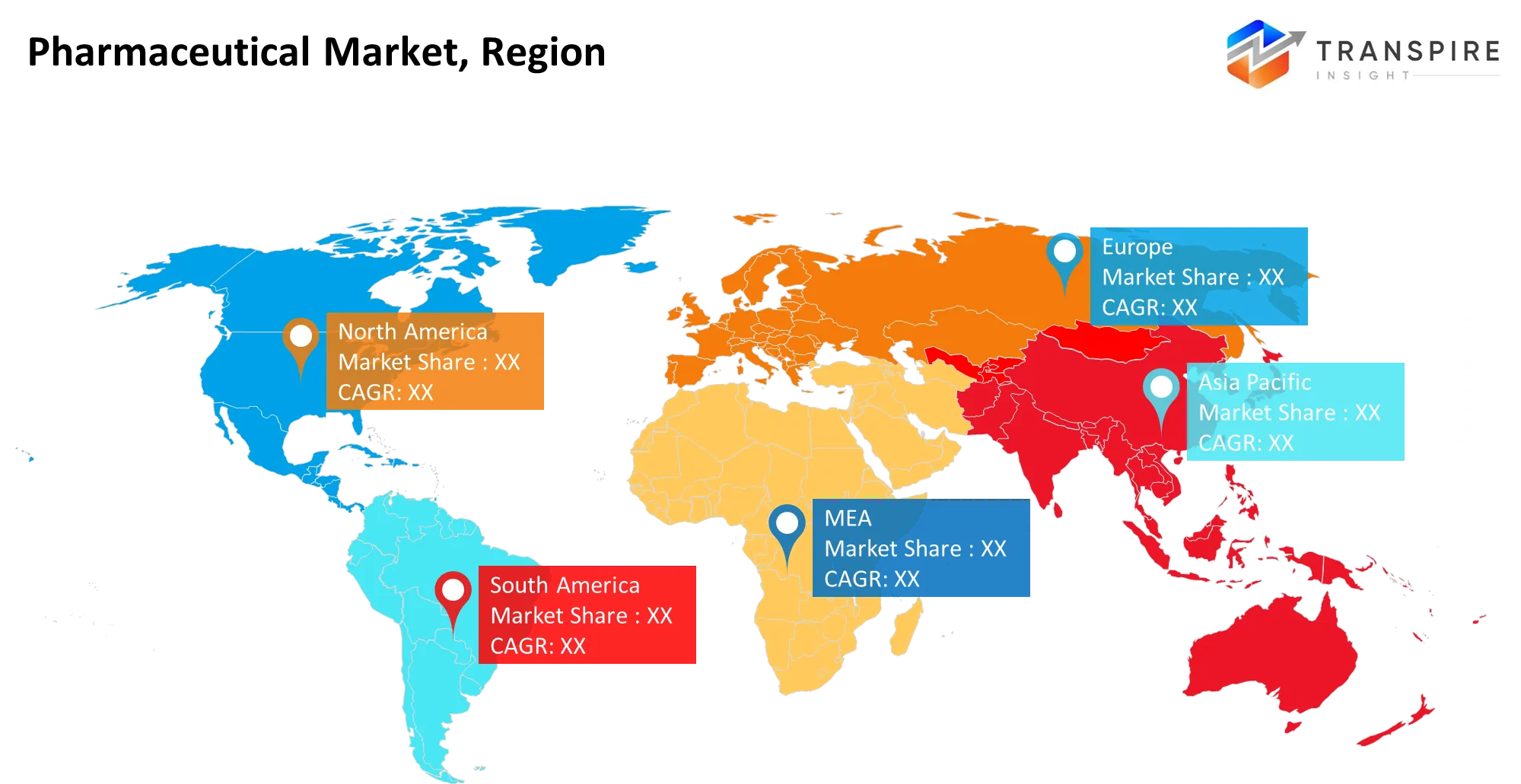
North America holds a 45.00% market share, driven by its combination of high levels of medicine spend, high specialist care use, and a sophisticated biotech funding ecosystem. The US supports sales through mature clinical trial networks, academic medical centres, developed manufacturing, and broad private and public reimbursement pathways. The bulk of value is realised in areas such as oncology, immunology, orphan disease and costly metabolic therapies. However, drug price negotiation by Medicare is putting strain on lifecycle management and evidence-based pricing of some high-cost, single-source medicines.
In July 2026, argenx agreed to an acquisition of Forte Biosciences for $2.2 billion. This strategic buyout infuses a first-in-class anti-CD122 antibody with early clinical validation into its high-value immunology pipeline.https://argenx.com/news/2026/press-release-3333257
Europe accounts for 26.00%. Its commercial strategy is less price sensitive, as common universal coverage policies, coordinated regulators, and much more developed hospitals and local manufacturing explain, Pfizer. There is more demand for the medicine, even in a finite healthcare budget, owing to the shift of people to an ageing population, a high uptake of vaccines and the prevalence of biosimilar medicines. But unlike North America, being a European company increasingly requires being able to stand out on outcomes data, high availability and added value.
In September 2026, Biocon Biologics Limited secured a positive recommendation from the European Medicines Agency's Committee for Medicinal Products for Human Use for its Pertuzumab biosimilar, Pebrilzo.https://finance.yahoo.com/healthcare/articles/biocons-pertuzumab-becomes-first-biosimilar-115600482.html
Asia Pacific is 22.00% of the market and is expected to grow at a CAGR of 6.80%, making it the dominant region of the incremental growth. India's and China's reforms in drug access and faster innovation approvals, and the scale of generic and active pharmaceutical ingredient manufacturing, have moved the region from a cost-based production location to a location for demand and growth. Rising diagnosis rates, increased insurance coverage, in-house trial capabilities, and focus on biosimilars are all driving increased uptake. The key opportunity rests in a region of strengths in manufacturing compared with high-value biologics, clinical research, and precision medicines in the local setting.
In September 2026, Sun Pharmaceutical Industries Limited entered into a exclusive licensing agreement with US-based LIB Therapeutics Inc. to commercialise and manufacture its novel cholesterol-lowering biologic drug, lerodalcibep.https://www.biospace.com/press-releases/lib-therapeutics-and-sun-pharma-announce--licensing-commercialization-and-manufacturing-agreement-for-lerodalcibep-a-novel-pcsk9-inhibitor-ex-us-and-china-lerodalcibep-lyrokaul-approved-in-the-eu
Who are the Key Players in the Pharmaceutical Market, and how do they compete?
Competition among large pharma is increasingly around portfolio quality, fast evidence generation, and supply chain resilience, not scale. Analysing pricing, patent cliffs, and mounting evidence of payers wanting outcomes compels large pharma to blend internal R&D with licensing, acquisitions, and technology partnerships.
Pfizer's strategy is on oncology, vaccine, and cost-effective simplification; Johnson & Johnson's is on capabilities in immunology, oncology, and medical-technology-relevant clinical deep-dive; Roche has diagnostics underpinning precision-oncology medicines; Novartis' is targeted speciality medicines and recent regulatory breakthroughs, such as Vanrafia for IgA nephropathy; Merck & Co. Is the top, in oncology through life-cycle studies, whilst Abb Vie is outside the mature products squeeze through diversification in immunology and neuroscience; Astra Zeneca continues developing niche, innovative oncology and respiratory; Bristol Myers is niche-specialized on oncology and cardiovascular diseases; Eli Lilly and Novo Nordisk are capacity-expanding their metabolic portfolios responding to glut of obesity and diabetes; Novo Nordisk is also creating custom AI models in collaboration with NVIDIA and Denmark's Gefion super-computer; Sanofi and GSK are leveraging their niche expertise in vaccines and immunology; Bayer, Amgen, and Takeda are competing through consumer health, biologics, orphan diseases, plasma-derived therapies, and targeted geographical expansion.
Key Players are:
- Pfizer
- Johnson & Johnson
- Roche
- Novartis
- Merck & Co.
- AbbVie
- AstraZeneca
- Sanofi
- Bristol Myers Squibb
- Eli Lilly
- GSK
- Novo Nordisk
- Bayer
- Amgen
- Takeda
Recent Development News
- In September 2026, Mercado Livre launched an online pharmacy infrastructure to sell prescription medications directly in Brazil. This commercial rollout integrates digital prescription validation and 60-minute express deliveries, creating an ultra-fast logistics channel for chronic disease therapies and GLP-1 weight-loss medications.https://guiadafarmacia.com.br/mercado-livre-no-varejo-farmaceutico-veja-possiveis-impactos/
- In September 2026, Cipla USA launched Pomalidomide Capsules across all four strengths in the U.S., expanding access to an established oncology treatment for multiple myeloma and certain cases of Kaposi sarcoma. The launch strengthens the availability of affordable generic therapies and broadens Cipla’s oncology portfolio in the U.S. market.https://www.cipla.com/press-releases-statements/cipla-usa-announces-launch-pomalidomide-capsules-generic-pomalystr-across
- In September 2026, Sanofi and Cheplapharm announced a strategic partnership under which Cheplapharm would take over 20 mature medicines and three manufacturing sites worldwide, while Sanofi would receive a 26.4% equity stake in Cheplapharm. The transaction is designed to support continued availability of established medicines while allowing portfolio and manufacturing operations to be managed through specialized lifecycle capabilities.https://www.sanofi.com/en/media-room/press-releases/2026/2026-09-14-13-03-56-3361178
What Strategic Insights Define the Future of the Pharmaceutical Market?
The market is moving toward a concentrated innovation paradigm - centred on AI-enabled discovery, precision medicine, breakthrough biologics, and flexible manufacturing that affects portfolio competitiveness. Recent FDA reforms on distributed manufacturing and model-informed development demonstrate how regulatory infrastructure is adjusting to new scientific possibilities, alleviating barriers to advanced manufacturing and proof generation. A hidden risk is fragmenting portfolios and commercialisation: where complex therapies yield disparate data, manufacturing and reimbursement can stall go-to-market despite proven clinical value. Likewise, a concentration of supply for critical active pharmaceutical ingredients (APIs) and other inputs would threaten resilience. The opportunity is in leveraging AI to bring together precision medicine and flexible manufacturing at faster speeds, supported by resilient, compliant, capital-efficient, and agile execution, to quickly identify responders and manufacture optimised therapies. The strategic move is to focus on data interoperability, validated AI, regional partnerships for manufacturing, and specific speciality pipelines rather than large expanded portfolios. Connecting these pieces can accelerate science to scaled product.
Key Segmentations are:
Product Type
- Prescription Drugs
- OTC Drugs
- Generic Drugs
- Branded Drugs
- Biologics
- Biosimilars
- Vaccines
- Cell & Gene Therapies
Therapeutic Area
- Oncology
- Cardiovascular Diseases
- Diabetes
- Respiratory Diseases
- Neurology
- Immunology
- Infectious Diseases
- Gastrointestinal Diseases
Drug Type
- Small Molecules
- Large Molecules
- Peptides
- Vaccines
- RNA Therapies
- Cell Therapies
- Gene Therapies
- Other Drugs
Route of Administration
- Oral
- Injectable
- Topical
- Inhalation
- Transdermal
- Ophthalmic
- Nasal
- Other Routes
Distribution Channel
- Hospital Pharmacies
- Retail Pharmacies
- Online Pharmacies
- Speciality Pharmacies
- Wholesalers
- Clinics
- Direct-to-Patient
- Drug Stores
End User
- Hospitals
- Clinics
- Homecare
- Research Institutes
- Pharmacies
- Specialty Centers
- Academic Institutions
- Government Health Centres
By Regional Analysis
North America
- US
- Canada
- Mexico
Europe
- Germany
- UK
- France
- Italy
- Spain
- Russia
- Rest of Europe
Asia Pacific
- China
- Japan
- India
- South Korea
- Australia
- Rest of Asia Pacific
South America
- Brazil
- Argentina
- Rest of South America
Middle East & Africa
- UAE
- Saudi Arabia
- Qatar
- South Africa
- Rest of the Middle East & Africa
Frequently Asked Questions
Find quick answers to common questions.
The Pharmaceutical market size was valued at USD 1738 billion in 2025 and is poised to reach USD 2776.70 billion by 2033, expanding at a 6.08% CAGR.
Key segments for the Pharmaceutical market are Product Type (Prescription Drugs, OTC Drugs, Generic Drugs, Branded Drugs, Biologics, Biosimilars, Vaccines, Cell & Gene Therapies); Therapeutic Area (Oncology, Cardiovascular Diseases, Diabetes, Respiratory Diseases, Neurology, Immunology, Infectious Diseases, Gastrointestinal Diseases); Drug Type (Small Molecules, Large Molecules, Peptides, Vaccines, RNA Therapies, Cell Therapies, Gene Therapies, Other Drugs); Route of Administration (Oral, Injectable, Topical, Inhalation, Transdermal, Ophthalmic, Nasal, Other Routes); Distribution Channel (Hospital Pharmacies, Retail Pharmacies, Online Pharmacies, Specialty Pharmacies, Wholesalers, Clinics, Direct-to-Patient, Drug Stores); End User (Hospitals, Clinics, Homecare, Research Institutes, Pharmacies, Specialty Centers, Academic Institutions, Government Health Centers).
Growth is primarily driven by precision medicine, expanding biologics and specialty therapies, AI-enabled drug discovery, pharmaceutical manufacturing modernization, rising chronic-disease treatment needs, and regulatory support for faster evidence generation and resilient drug supply chains.
The Pharmaceutical market is led by major manufacturers, including Pfizer, Johnson & Johnson, Roche, Novartis, Merck & Co., AbbVie, AstraZeneca, Sanofi, Bristol Myers Squibb, Eli Lilly, GSK, Novo Nordisk, Bayer, Amgen, and Takeda.
North America holds 45.00% of the market, supported by advanced R&D infrastructure, strong biotechnology investment, sophisticated healthcare systems, established regulatory capabilities, and high adoption of innovative therapies.
Commercial opportunities include AI-enabled drug development, precision medicine, biosimilars, advanced biologics, cell and gene therapies, distributed manufacturing, and digitally enabled specialty-pharmacy and homecare models.
- Pfizer
- Johnson & Johnson
- Roche
- Novartis
- Merck & Co.
- AbbVie
- AstraZeneca
- Sanofi
- Bristol Myers Squibb
- Eli Lilly
- GSK
- Novo Nordisk
- Bayer
- Amgen
- Takeda
About the Authors

Pankaj Ghogare Patil
I am Pankaj Ghogare Patil, a Senior Research Analyst at Transpire Insight, specializing in the Pharmaceutical, Chemicals & Materials, Healthcare IT, and Biotechnology industry. My expertise lies in conducting comprehensive market research, analyzing industry trends, evaluating competitive landscapes, and translating complex data into actionable insights. At Transpire Insight, I closely follow emerging technologies, regulatory developments, and market innovations to create accurate, well-researched, and informative content that helps businesses and professionals make informed decisions. I am committed to producing credible, evidence-based articles that reflect industry best practices while making technical topics accessible and valuable for a broad audience.

Chakradhar Khansole
Chakradhar serves as the Research Director at Transpire Insight, bringing over 8 years of experience in technology, innovation, and strategic market intelligence. He specializes in transforming complex market data into actionable business insights that enable organizations to make informed, growth-oriented decisions. Recognized for his strategic vision and analytical expertise, Chakradhar leads high-impact research initiatives, delivering comprehensive market assessments, competitive intelligence, and forward-looking industry analysis.
Recently Published Reports
-
Apr 2026
AI in Diabetic Retinopathy Market
AI in Diabetic Retinopathy Market Size, Share & Analysis Report By Type (Screening AI Systems, Diagnostic AI Systems, and Predictive AI Models), By Application Segment (Hospitals, Ophthalmology Clinics, Diagnostic Centers, and Research and Development), and Geography (North America, Europe, Asia-Pacific, Middle East and Africa, South and Central America), 2021 - 2031
-
Apr 2026
Psychometric Tests Market
Psychometric Tests Market Size, Share & Analysis Report By Type (Personality Tests, Ability/Aptitude Tests, Skill/Knowledge Tests, and Others), By Application (Talent Acquisition and Talent Management), and Geography (North America, Europe, Asia-Pacific, Middle East and Africa, South and Central America), 2021 – 2031
-
Apr 2026
Rare Biological Sample Collection Market
Rare Biological Sample Collection Market Size, Share & Analysis Report By Type (Isolation Kits & Reagent, Blood Collection Tubes, and Others), By Application (Oncology, Transcriptomics, Pharmacogenomics, and Others), and Geography (North America, Europe, Asia-Pacific, Middle East and Africa, South and Central America), 2021 – 2031
-
Jul 2026
Diabetic Retinopathy Market
Diabetic Retinopathy Market Size, Share & Analysis Report By Type (Proliferative Diabetic Retinopathy, and Diabetic Macular Edema (DME)), By Treatment Type (Anti VEGF Drug, Steroid Implants, Laser Surgeries, and Vitrectomy), and Geography (North America, Europe, Asia-Pacific, Middle East and Africa, South and Central America), 2021 – 2031
Our Clients







