

Injectable Drug Delivery Devices Market Summary:
According to Transpire Insight, a detailed research report on the market reflects that the injectors product segment dominates the Injectable Drug Delivery Devices Market, accounting for approximately 59.3% of the total share worldwide. Becton, Dickinson and Company leads the market with approximately (around USD 21 billion) in annual revenue and an estimated 15% market share, making it the leading contributor to market development, innovation, advanced injectable drug delivery device production, expanding manufacturing capabilities, and growth dynamics.
Market Snapshot
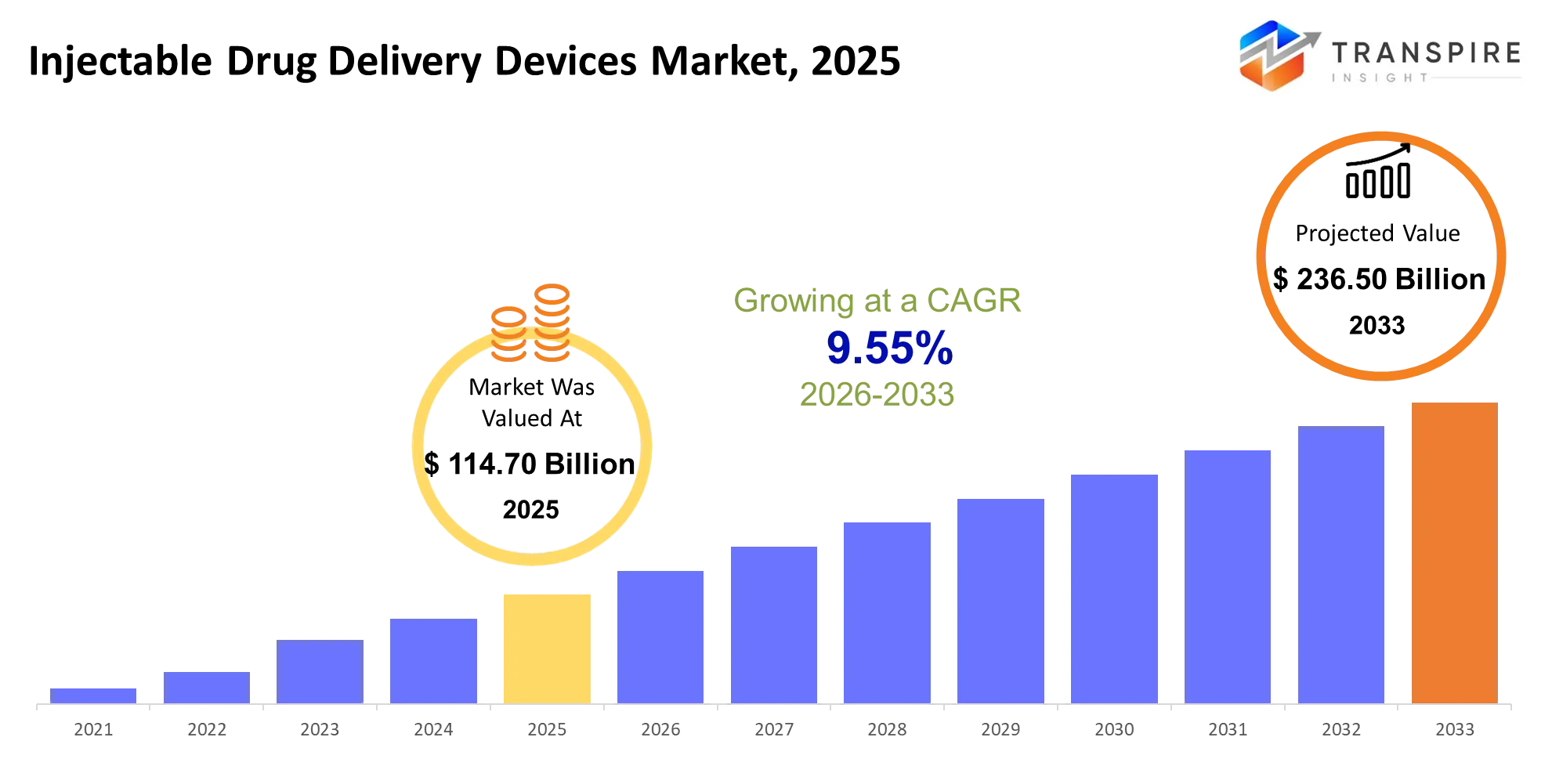
- Market Value (2025): USD 114.70 Billion.
- Expected Market Value (2026): USD 124.90 Billion.
- Estimated Market Value (2033): USD 236.50 Billion.
- Forecast CAGR (2026-2033): 9.55%
- Leading Region in 2025: North America
- Second-largest Region: Europe
- Fastest Growing Region: Asia Pacific
Introduction
The market for injectable drug delivery devices consists of the production and distribution of tools used for administering drugs into a patient’s body, consisting of equipment like prefilled syringes, auto-injectors, and pen injectors. Injectable drug delivery devices are medical devices that are used to deliver drugs, vaccines and biologics to the bodily tissues and bloodstream of the patient. The market for injectable drug delivery devices is making strides in the area of patient-centered care as it makes acute innovations in drug delivery systems. Self-administration: individuals can access treatments from their homes with prior prepared syringes, injector pens, and auto-injectors. Increased adherence: smart injectors are capable of sending reminders so that injections can be administered regularly. Comfort: through their operation, the technologies that don’t use needles and micro needling can bring down the pain experienced in the process of injections. Precision and Safety: the inbuilt safety designs assist in following the dosing rules and ensuring very little risk of needle stick injuries. Efficiency: wearable subcutaneous injectors can be employed in treating patients who don’t have to come to hospitals for the sake of treatment.
For instance:- The market for injectable drug delivery devices in South Africa is growing fast due to the increase in chronic diseases such as diabetes and higher investment in healthcare. There is an increasing demand for self-administration products like auto-injectors and smart pens, making the area attractive to key manufacturers from all over the world.
Market Highlights: -
- North America is anticipated to hold almost 42% share of the Injectable Drug Delivery Devices Market over the predicted timeframe.
- Europe is expected to grow at a rapid CAGR in the Injectable Drug Delivery Devices Market by holding almost 25% of the share during the forecast period.
- Asia Pacific is anticipated to hold almost 15% share of the Injectable Drug Delivery Devices Market over the predicted timeframe.
- By product, the Disposable Devices segment dominated the market and holds nearly 60% share in 2025 and is projected to grow at a substantial CAGR during the forecast period.
- By application, the Oncology segment dominated the market and holds nearly 28% share in 2025 and is projected to grow at a substantial CAGR during the forecast period.
- By end user, the Hospitals segment dominated the market and holds nearly 35% share in 2025 and is projected to grow at a substantial CAGR during the forecast period.
- The PLI initiative introduced by the Indian government was allocated with a budget of ₹3,420 crore to assist medical device manufacturing, investment, and import substitution in the domestic market. Under this scheme, producers meeting the requirements will get benefits based on the increase in their sales. This will contribute to strengthening the ecosystem of medical appliances in the country and creating modern technologies, which are used for producing injection devices.
How is Technology Driving Growth in the Injectable Drug Delivery Devices Market?
The market for injectable drug delivery products is improving due to advancements that allow effective dosage, patient comfort and adherence to treatment. The smart connected devices make use of Bluetooth or NFC technology that keeps track of the doses taken by the patient, any information about the timeframe when the drug was administered and the patient receives notifications of the doses and refills through the application. The wearables and large-volume injectors allow for the delivery of complex biologics subcutaneously thus allowing extended therapies at home. The needle-free technologies and the micro needles reduce the problem of injections and increase compliance. Thanks to new materials and 3D printing it is possible to produce biocompatible devices that will meet the patient's needs.
|
Report Metrics |
Details |
|
Market size value in 2025 |
USD 114.70 Billion |
|
Market size value in 2026 |
USD 124.90 Billion |
|
Revenue forecast in 2033 |
USD 236.50 Billion |
|
Growth rate |
CAGR of 9.55% from 2026 to 2033 |
|
Base year |
2025 |
|
Historical data |
2021 - 2024 |
|
Forecast period |
2026 - 2033 |
|
Report coverage |
Revenue forecast, competitive landscape, growth factors, and trends |
|
Regional scope |
United States; Canada; Mexico; United Kingdom; Germany; France; Italy; Spain; Denmark; Sweden; Norway; China; Japan; India; Australia; South Korea; Thailand; Brazil; Argentina; South Africa; Saudi Arabia; United Arab Emirates |
|
Key company profiled |
BD, Gerresheimer, West Pharmaceutical Services, SCHOTT Pharma, Terumo, SHL Medical, Ypsomed, Nemera, Phillips-Medisize, Haselmeier, Stevanato Group, Owen Mumford, AptarGroup, Insulet, Enable Injections |
|
Customization scope |
Free report customization (country, regional & segment scope). Avail customized purchase options to meet your exact research needs. |
|
Report Segmentation |
By Device Type (Prefilled Syringes, Autoinjectors, Pen Injectors, Wearable Injectors, Conventional Syringes, Needle-free Injectors, Infusion Pumps, Others); By Product (Disposable Devices, Reusable Devices, Smart Devices, Safety Devices, Drug Reconstitution Devices, Injection Accessories, Specialty Devices, Others); By Route (Subcutaneous, Intramuscular, Intravenous, Intradermal, Intraosseous, Intraperitoneal, Intrathecal, Others); By Application (Diabetes, Oncology, Autoimmune Diseases, Cardiovascular Diseases, Infectious Diseases, Hormonal Disorders, Neurological Disorders, Others); By End User (Hospitals, Home Healthcare, Clinics, Ambulatory Surgical Centers, Specialty Clinics, Long-term Care Facilities, Research Institutes, Others); By Usability (Disposable, Reusable, Semi-reusable, Single-use, Multi-dose, Patient-controlled, Healthcare-provider-controlled, Others); By Distribution (Hospital Pharmacies, Retail Pharmacies, Online Pharmacies, Direct Sales, Distributors, Specialty Stores, Clinics, Others) |
Market Drivers
The Injectable Drug Delivery Devices Market is growing, due in part to the increased occurrences of the chronic diseases such as diabetes, cancer, cardiovascular diseases, and autoimmune diseases, which need continual parenteral treatments. The growing demand for the use of biologics, vaccines, and monoclonal antibodies is positively impacting the uptake of modern injection delivery devices as they facilitate effective drug administration and therapeutic effect. The increase in the move towards the patient-centric model of medicine is contributing to the demand for self-injection technologies such as smart injector pens and wearable injectors. Moreover, technological development in devices like Bluetooth connectivity, dosage monitoring, reusable technology, and environmentally friendly devices is making the dosing more precise and effective. The Injectable Drug Delivery Devices Industry has multiple therapeutic and operational benefits in modern health care. Rapid Action enables the medication to bypass the digestive system, thus providing a rapid cure effect. High Bioavailability helps ensure the proper delivery of active substances into the bloodstream, as it is often needed when drugs must reach the body reliably. Precision Dosing makes it possible to deliver medicines in the required amount and with the necessary accuracy, thus ensuring treatment effectiveness. Biologics Suitability means that injectable delivery systems are appropriate for sophisticated biologics, vaccines, and biologics that may need special administration. At-Home Usability is performed by using devices with smart connectivity and automated injection.
For Instance: -
- The European market of injectable drug delivery is growing rapidly, Europe Injectable Drug Delivery Market Size & Competitors. There has been a profound increase in investments aimed at self-injectable devices, biologics, and home healthcare. In terms of manufacturing, Germany is currently the leading country in the region, with Italy making rapid progress as well. Increased investments in R&D and the rising prevalence of chronic diseases are expected to fuel the growth of smart wearable injectors.
- The injectable and insulin delivery device market in Russia is being Driven by sanctions imposed by the West, causing the Russian market to concentrate strongly on local production and government-sponsored investments. While domestic R&D projects are progressing towards self-sufficiency, foreign contenders are struggling due to continuing supply and regulations-related issues.
Restrain
The market for injectable drug delivery devices is impeded by numerous constraints, such as the significant expense of advanced injectors and technologies that prevent widespread adoption. Issues regarding reimbursement coverage in developing countries make it more difficult for the patients to gain access to the product. Needle stick injuries and concerns regarding infections are some of the safety threats. The necessity to develop complex wearable technologies increases the development difficulties. The need to deal with fluctuations in the prices of materials has a strong influence on the profit of manufacturers, whereas strict and varying standards in different regions are forcing the companies to spend extra money on compliance and approval processes.
|
Driver |
Relative Impact on Growth (%) |
Geographic Relevance |
Impact Timeline |
Demand Strength |
Growth Mechanism |
Key Beneficiaries |
Major Constraint |
|
Growing Adoption of Biologics and Complex Injectable Therapies |
28% |
North America, Europe, Asia Pacific |
Long-term |
High |
Expands injectable use as biologics need precise delivery. |
Autoinjector makers, biologic manufacturers, patients, pharmacies. |
High development costs and complex device-drug compatibility. |
|
Rising Chronic Disease Burden and Long-Term Treatment |
24% |
North America, Europe, Asia Pacific |
Long-term |
High |
Creates recurring demand for chronic disease injections. |
Device manufacturers, hospitals, pharmacies, chronic-care patients. |
Treatment affordability and reimbursement limitations constrain adoption. |
|
Shift Toward Self-Administration and Home-Based Healthcare |
20% |
North America, Europe, Asia Pacific |
Medium-term |
High |
Moves eligible injections from clinics into homes. |
Autoinjector firms, homecare providers, patients, pharmacies. |
User training and human-factor risks remain significant. |
|
Expansion of Smart, Connected, and Wearable Injectors |
16% |
North America, Europe, Asia Pacific |
Medium-term |
High |
Adds digital monitoring, adherence support, and convenience. |
Smart-device manufacturers, software vendors, patients, providers. |
Connectivity costs and interoperability challenges limit adoption. |
|
Advances in Safety, Sustainability, and Device Manufacturing |
12% |
Europe, North America, Asia Pacific |
Long-term |
Medium |
Improves usability, safety, production efficiency, and compliance. |
Device manufacturers, component suppliers, healthcare providers, patients. |
Regulatory complexity and sustainable-material costs may increase. |
|
Total |
100% |
— |
— |
— |
— |
— |
— |
Analysis of Prices and Consumer Behaviour
Injectors (which accounted for 59.3% of the total market in 2025) dominate the market for injectable drug delivery devices because of the increased need for self-administered devices that are easy and simple to use. Furthermore, the pricing of advanced precision-engineered injectors with improved connectivity and safety features is expected to be 35% higher than the price of regular devices because of the sophisticated manufacturing processes and use of certified components. About 34% of the revenue of the market consists of prefilled syringes in 2025. The increasing number of patients who want self-administered devices is the main reason for the increase in sales volume. The total demand for diabetes mellitus (diabetes) accounts for 44.5% of the total demand in the therapeutic-use segment. Purchasing behavior is characterized by 55% of total consumers always striving for accurate dosing and device safety and usability. Moreover, another 33% of total consumer prefers to purchase devices based on bulk and long-term agreements to reduce expenditures during procurement.
|
Investment Factor |
Why It Matters to Investors |
Opportunity |
Investment Implication |
|
Biologics and Complex Injectable Therapies |
Biologics increasingly require reliable, patient-friendly delivery systems. |
Invest in devices handling high-viscosity and large-volume biologics. |
Long-term platform opportunity with pharmaceutical partnerships. |
|
Self-Administration and Home Healthcare |
Treatment is shifting toward convenient patient-controlled administration outside hospitals. |
Expand autoinjectors, pens, prefilled syringes, and wearable injectors. |
Supports recurring device demand across chronic therapies. |
|
Wearable and Large-Volume Delivery |
Complex therapies increasingly require larger doses outside infusion centers. |
Develop on-body systems for oncology and specialty biologics. |
High-value segment with strong differentiation potential. |
|
Smart and Connected Devices |
Digital monitoring can improve adherence, usability, and treatment tracking. |
Combine injection devices with connectivity and companion software. |
Creates premium-device and digital-service opportunities. |
|
Regional Manufacturing and Supply-Chain Localization |
Local production can reduce dependence on imported medical-device components. |
Establish manufacturing and assembly capabilities in emerging markets. |
Medium-term opportunity with potential cost advantages. |
|
Combination-Product Regulatory Expertise |
Device-drug integration increases development and regulatory complexity. |
Provide specialized development, testing, and manufacturing capabilities. |
Regulatory expertise can create defensible competitive barriers. |
Who are the Key Players in the Injectable Drug Delivery Devices Market and how do they compete?
Competition in the international market of injection drug delivery devices depends on companies, which specialize in innovation of the devices, development of solutions for therapeutic applications, and development of the distribution networks at the level. Competition not only in terms of pricing but based on prefilled delivery devices, autoinjectors, wearables, connected drug delivery solutions, and integration with the production of pharmaceuticals and healthcare systems, the competitive strategy leads to further product development as well as assists in obtaining higher dosing accuracy, patient convenience, safety, and medication adherence.
By creating innovative prefilled syringes, autoinjectors, and connected drug delivery solutions, Becton, Dickinson and Company improves its competitive position. The competitive advantage of the companies consists in creation of high-performing injectable delivery devices, which are used in hospitals, clinics, specialty care and in-home healthcare. The competitive position of Gerresheimer AG is created due to development of integrated solutions for injectable drug delivery devices, including prefillable syringes, cartridges, and specialized drug delivery devices.
Top Companies in the Injectable Drug Delivery Devices Market
- BD
- Gerresheimer
- West Pharmaceutical Services
- SCHOTT Pharma
- Terumo
- SHL Medical
- Ypsomed
- Nemera
- Phillips-Medisize
- Haselmeier
- Stevanato Group
- Owen Mumford
- AptarGroup
- Insulet
- Enable Injections
|
Company |
Est. Revenue Share Range |
Key Offerings |
Strategic Positioning |
Geographic Strength |
Technology Focus |
|
Becton, Dickinson and Company (BD) |
8-12% |
BD Hypak, BD Neopak, Vystra, Libertas, safety systems |
Integrated leadership across primary and secondary delivery |
North America, Europe, Asia Pacific |
Prefillable syringes, autoinjectors, wearable delivery systems |
|
West Pharmaceutical Services |
5-8% |
SmartDose, SelfDose, West Vantage, prefillable syringes |
Integrated drug-device development and self-injection specialization |
North America, Europe, Asia Pacific |
On-body delivery, self-injection, advanced containment systems |
|
Gerresheimer AG |
4-7% |
Gx RTF syringes, autoinjectors, Gx InPuls, drug-delivery systems |
High-value primary packaging and delivery integration |
Europe, North America, Asia Pacific |
Glass systems, autoinjectors, on-body delivery platforms |
|
Terumo Corporation |
4-7% |
PLAJEX syringes, drug-delivery devices, safety needles, CDMO assembly |
Precision parenteral delivery and manufacturing integration |
Asia Pacific, North America, Europe |
Polymer syringes, safety systems, automated device assembly |
|
SHL Medical |
4-7% |
Molly, Maggie/Magnitude, DAI, Quanta, pen injectors |
Self-injection technology leadership for complex biologics |
North America, Europe, Asia Pacific |
Large-volume, high-viscosity autoinjector platforms |
|
Ypsomed |
3-5% |
YpsoMate, YpsoDose, pen injectors, wearable injectors |
Specialized self-injection platform and digital ecosystem |
Europe, North America, Asia Pacific |
Autoinjectors, pens, wearables, connected injection systems |
|
Stevanato Group |
3-5% |
Aidaptus, Alina, Deora, EZ-fill syringes, cartridges |
Integrated containment-to-device manufacturing platform |
Europe, North America, Asia Pacific |
Autoinjectors, pen systems, primary-container integration |
|
Nemera |
2-4% |
Symbioze, PENONE, PENVARIO, PENHV, Safe’n’Sound |
Patient-centric specialty delivery and customization |
Europe, North America, Asia Pacific |
Smart wearables, high-volume delivery, connected systems |
|
Phillips Medisize |
2-4% |
Aria Smart Autoinjector, Envoi Pen, platform technologies, device manufacturing |
Platform-based development and scalable contract manufacturing |
North America, Europe, Asia Pacific |
Connected autoinjectors, modular platforms, automated manufacturing |
|
Owen Mumford |
1-3% |
Aidaptus, Autoject 2, safety devices, injection pens |
Niche specialization in intuitive self-injection devices |
Europe, North America, Asia Pacific |
Two-step autoinjectors, safety mechanisms, ergonomic delivery |
Market Segmentation
The Injectable Drug Delivery Devices Market share is divided into seven categories: By device type, product, route, application, end user, usability and distribution.
The Disposable Devices dominated the market, accounting for nearly 60% in 2025 and is expected to rise at a significant CAGR during the forecast period.
The Injectable Drug Delivery Devices Market is segmented by product into Disposable Devices, Reusable Devices, Smart Devices, Safety Devices, Drug Reconstitution Devices, Injection Accessories, Specialty Devices, Others. Among these, the Disposable Devices segment dominated the market, accounting for nearly 60% in 2025 and expected to increase at a significant CAGR during the forecast period. Disposable gadgets played a leading role in the industry, capturing 60% of the market in 2025 with forecasted growth expressed in an exceptionally high CAGR value. This benefit can be explained by their ease of use. The introduction of disposable gadgets has minimized contamination risks, made disinfection easier, and resulted in the fast-paced application of such gadgets in hospitals, clinics, and home health care. The increase in the need for convenient injectable drug delivery devices boosts the development of this segment.
The Oncology dominated the market, accounting for nearly 28% in 2025, and is expected to rise at a significant CAGR during the forecast period.
The Injectable Drug Delivery Devices Market is segmented by application into Diabetes, Oncology, Autoimmune Diseases, Cardiovascular Diseases, Infectious Diseases, Hormonal Disorders, Neurological Disorders, Others. Among these, the Oncology segment dominated the market, accounting for nearly 28% in 2025 and expected to increase at a significant CAGR during the forecast period. The oncology segment ruled the market with almost 28% market share in 2025, with a significant CAGR in the upcoming period. This dominance is caused by the increasing burden posed by the increasing cancer cases, increasing acceptance of injectable chemotherapy & targeted therapies, increasing usage of biologics, and the need for precise and reliable drug delivery methods. The advances in injectable drug delivery devices also contribute to the effectiveness of oncology treatment.
The Hospitals dominated the market, accounting for nearly 35% in 2025 and is expected to rise at a significant CAGR during the forecast period.
The Injectable Drug Delivery Devices Market is segmented by end user into Hospitals, Home Healthcare, Clinics, Ambulatory Surgical Centers, Specialty Clinics, Long-term Care Facilities, Research Institutes, Others. Among these, the Hospitals segment dominated the market, accounting for nearly 35% in 2025 and expected to increase at a significant CAGR during the forecast period. The segment of hospitals was the largest segment, accounting for nearly 35% in 2025 and is predicted to grow at an impressive CAGR during the forecast period. High patient volume, the widespread use of injectable therapies, sophisticated clinical facilities and increasing adoption of advanced drug delivery devices account for the dominance of this segment. Dosing accuracy, safety, infection control and efficient medication delivery are among the priorities of hospitals.
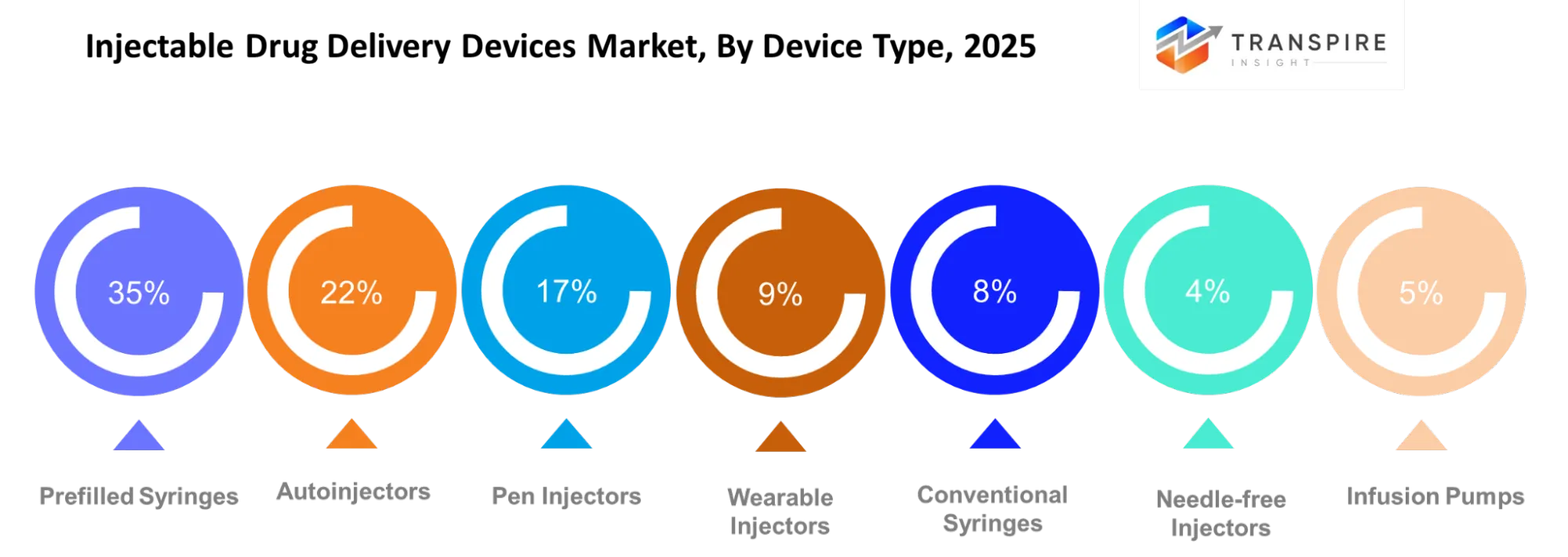
Regional Segment Analysis of the Injectable Drug Delivery Devices Market:
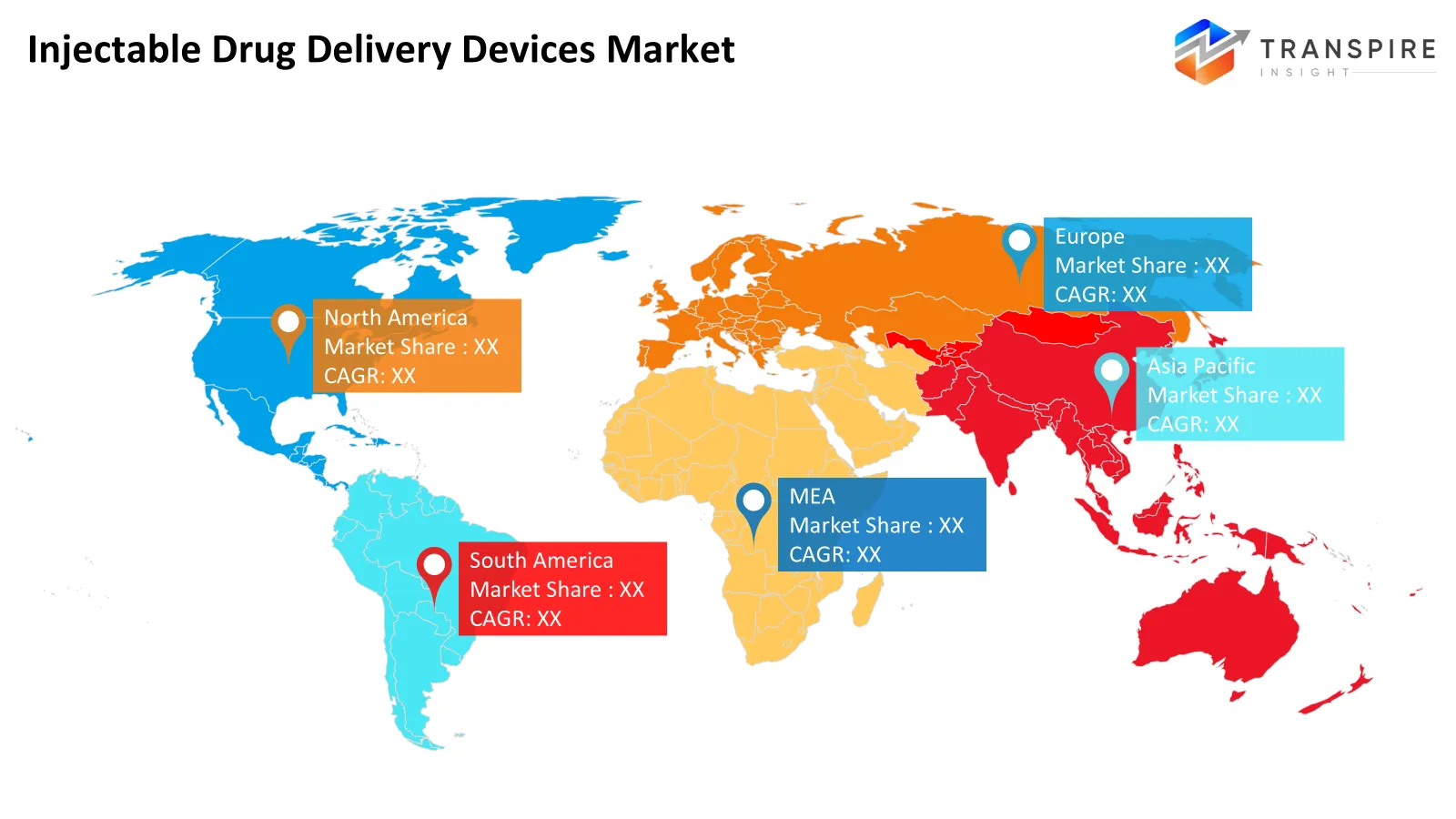
- North America (U.S., Canada, Mexico)
- Europe (Germany, France, U.K., Italy, Spain, Rest of Europe)
- Asia-Pacific (China, Japan, India, Rest of APAC)
- South America (Brazil and the Rest of South America)
- The Middle East and Africa (UAE, South Africa, Rest of MEA)
North America is the fastest-growing region in the Injectable Drug Delivery Devices Market during the period, holding almost 42% share.
North America is expected to grow at a rapid CAGR in the Injectable Drug Delivery Devices Market holding almost 42% share during the forecast period. The Injectable Drug Delivery Devices Market has been dominated by North America as one of the regions expanding at the fastest rate, making up around 42% of the total share of the market. Its rapid growth is due to sophisticated healthcare systems, adoption of biologics and self-administration technologies, high incidence of chronic diseases, established pharmaceutical and medical device industries, reimbursement programs that favor the region, and uninterrupted research and development of connected, wearable and intelligent injectable devices in the region.
Europe is expected to grow at a rapid CAGR in theInjectable Drug Delivery Devices Market, holding almost 25% of the share during the forecast period
Europe is expected to grow at a rapid CAGR in the Injectable Drug Delivery Devices Market holding almost 25% share during the forecast period. Europe is projected to see a high growth rate in the injectable drug delivery devices market, possessing nearly a quarter share during the forecast period. This rapid growth is due to several factors like advanced healthcare infrastructure, occurrence of chronic diseases, increasing application of biologics, strong pharmaceutical manufacturing process, demand for self-administration devices, and effective investments in novel, patient-centric injectable drug delivery technologies.
Asia Pacific is the fastest-growing region in the Injectable Drug Delivery Devices Market during the period, holding almost 15% share.
Asia Pacific is the fastest-growing region in the Injectable Drug Delivery Devices Market during the forecast period, holding almost 15% share during the forecast period. The Asia Pacific region is projected to exhibit the highest growth rate in the Injectable Drug Delivery Devices Market over the time frame considered, accounting for about 15% of the total share in the market. This growth is attributed to increased spending on health care, rising prevalence of chronic diseases, increased capacity for pharmaceutical production, and rising adoption of biologics and other advanced injectable delivery technologies.
Strategies for Market Growth in Non-Leading Regions:
Developing non-leading regions through manufacturing techniques that provide efficient and cost-effective production of injectable drug delivery devices will help small to medium sized manufacturers of such products. Manufacturing prefilled syringes, autoinjectors, wearable injectors, and other injectable delivery systems, as well as creating regional manufacturing sites, will reduce dependency on imports and lower overall production costs. Creating partnerships with regional pharmaceutical firms, hospitals, healthcare providers, contract manufacturers, and medical device distributors will boost the market penetration of injectable drug delivery devices suppliers. To raise the level of competence in the manufacturing of devices, drug-device interaction, quality control, regulatory requirements, and standardization of the devices, training and technical skills enhancement will be necessary. In addition, various forms of financing, long-term supply contracts, contract manufacturing, and technology transfer will make injectable drug delivery devices more affordable and promote their adoption by healthcare providers and patients. Development of joint programs with governments, pharmaceutical manufacturing projects, healthcare organizations, and medical technology programs, as well as utilizing e-commerce and telehealth platforms, will boost the availability of injectable drug delivery devices and contribute to sustainable market growth in developing countries.
Future Market Trends for the Injectable Drug Delivery Devices Market: -
- Self-Administration: Transition from clinical settings to approachable products for patients.
- Smart Injection Tech: Investments are rising in automated syringe technology.
- Wearable Pumps: Rise of large wearable and implanted infusion systems.
- Safety Engineering: Continuous uptake of prefilled syringes and mechanisms related to the safety of syringes.
Recent Development
- In April 2026: Becton, Dickinson and Company (BD) introduced the BD Pyxis™ Pro Dispensing Solution and BD Incada™ Connected Care Platform in Europe, utilizing AI-based analytics to enhance visibility, availability, and management of inventory. The innovations foster connected healthcare and medication management features applicable in the market of injectable medical devices and hospital medication workflow processes.
- In May 2026: Enable Injections has announced the CE Certification of its enFuse® On-Body Delivery System, which facilitates the administration of drugs through wearable and large-volume devices for subcutaneous use, as well as the self-administration of drugs by the patient/caregiver. The development represents a significant achievement in innovation within the Injectable Drug Delivery Devices Market, particularly in home healthcare, wearable injectors, patient-centric treatment approaches, and sophisticated subcutaneous drug delivery technologies designed for the eligible treatments.
This study forecasts revenue at global, regional and country levels from 2020 to 2033. Transpire Insight has segmented the Injectable Drug Delivery Devices Market based on the below-mentioned segments:
Injectable Drug Delivery Devices Market, By Device Type
- Prefilled Syringes
- Autoinjectors
- Pen Injectors
- Wearable Injectors
- Conventional Syringes
- Needle-free Injectors
- Infusion Pumps
- Others
Injectable Drug Delivery Devices Market, By Product
- Disposable Devices
- Reusable Devices
- Smart Devices
- Safety Devices
- Drug Reconstitution Devices
- Injection Accessories
- Specialty Devices
- Others
Injectable Drug Delivery Devices Market, By Route
- Subcutaneous
- Intramuscular
- Intravenous
- Intradermal
- Intraosseous
- Intraperitoneal
- Intrathecal
- Others
Injectable Drug Delivery Devices Market, By Application
- Diabetes
- Oncology
- Autoimmune Diseases
- Cardiovascular Diseases
- Infectious Diseases
- Hormonal Disorders
- Neurological Disorders
- Others
Injectable Drug Delivery Devices Market, By End User
- Hospitals
- Home Healthcare
- Clinics
- Ambulatory Surgical Centers
- Specialty Clinics
- Long-term Care Facilities
- Research Institutes
- Others
Injectable Drug Delivery Devices Market, By Usability
- Disposable
- Reusable
- Semi-reusable
- Single-use
- Multi-dose
- Patient-controlled
- Healthcare-provider-controlled
- Others
Injectable Drug Delivery Devices Market, By Distribution
- Hospital Pharmacies
- Retail Pharmacies
- Online Pharmacies
- Direct Sales
- Distributors
- Specialty Stores
- Clinics
- Others
Injectable Drug Delivery Devices Market, By Regional Analysis
North America
- US
- Canada
- Mexico
Europe
- Germany
- UK
- France
- Italy
- Spain
- Russia
- Rest of Europe
Asia Pacific
- China
- Japan
- India
- South Korea
- Australia
- Rest of Asia Pacific
South America
- Brazil
- Argentina
- Rest of South America
Middle East & Africa
- UAE
- Saudi Arabia
- Qatar
- South Africa
- Rest of the Middle East & Africa
Frequently Asked Questions
Find quick answers to common questions.
The market is projected to reach USD 236.50 billion by 2033, growing at a 9.55% CAGR.
Disposable Devices dominate, accounting for nearly 60% share in 2025, driven by convenience, safety, and reduced contamination risks.
Oncology leads with nearly 28% share in 2025, supported by rising cancer cases and increasing injectable treatment demand.
North America leads with approximately 42% share, supported by advanced healthcare infrastructure, biologics adoption, and strong R&D investment.
Chronic diseases, biologics, self-administration, smart injectors, wearable devices, precision dosing, and patient-centric drug delivery technologies drive market growth.
- BD
- Gerresheimer
- West Pharmaceutical Services
- SCHOTT Pharma
- Terumo
- SHL Medical
- Ypsomed
- Nemera
- Phillips-Medisize
- Haselmeier
- Stevanato Group
- Owen Mumford
- AptarGroup
- Insulet
- Enable Injections
About the Authors

Pankaj Ghogare Patil
I am Pankaj Ghogare Patil, a Senior Research Analyst at Transpire Insight, specializing in the Pharmaceutical, Chemicals & Materials, Healthcare IT, and Biotechnology industry. My expertise lies in conducting comprehensive market research, analyzing industry trends, evaluating competitive landscapes, and translating complex data into actionable insights. At Transpire Insight, I closely follow emerging technologies, regulatory developments, and market innovations to create accurate, well-researched, and informative content that helps businesses and professionals make informed decisions. I am committed to producing credible, evidence-based articles that reflect industry best practices while making technical topics accessible and valuable for a broad audience.

Chakradhar Khansole
Chakradhar serves as the Research Director at Transpire Insight, bringing over 8 years of experience in technology, innovation, and strategic market intelligence. He specializes in transforming complex market data into actionable business insights that enable organizations to make informed, growth-oriented decisions. Recognized for his strategic vision and analytical expertise, Chakradhar leads high-impact research initiatives, delivering comprehensive market assessments, competitive intelligence, and forward-looking industry analysis.
Recently Published Reports
-
Apr 2026
AI in Diabetic Retinopathy Market
AI in Diabetic Retinopathy Market Size, Share & Analysis Report By Type (Screening AI Systems, Diagnostic AI Systems, and Predictive AI Models), By Application Segment (Hospitals, Ophthalmology Clinics, Diagnostic Centers, and Research and Development), and Geography (North America, Europe, Asia-Pacific, Middle East and Africa, South and Central America), 2021 - 2031
-
Apr 2026
Psychometric Tests Market
Psychometric Tests Market Size, Share & Analysis Report By Type (Personality Tests, Ability/Aptitude Tests, Skill/Knowledge Tests, and Others), By Application (Talent Acquisition and Talent Management), and Geography (North America, Europe, Asia-Pacific, Middle East and Africa, South and Central America), 2021 – 2031
-
Apr 2026
Rare Biological Sample Collection Market
Rare Biological Sample Collection Market Size, Share & Analysis Report By Type (Isolation Kits & Reagent, Blood Collection Tubes, and Others), By Application (Oncology, Transcriptomics, Pharmacogenomics, and Others), and Geography (North America, Europe, Asia-Pacific, Middle East and Africa, South and Central America), 2021 – 2031
-
Jul 2026
Diabetic Retinopathy Market
Diabetic Retinopathy Market Size, Share & Analysis Report By Type (Proliferative Diabetic Retinopathy, and Diabetic Macular Edema (DME)), By Treatment Type (Anti VEGF Drug, Steroid Implants, Laser Surgeries, and Vitrectomy), and Geography (North America, Europe, Asia-Pacific, Middle East and Africa, South and Central America), 2021 – 2031
Our Clients







