Market Summary
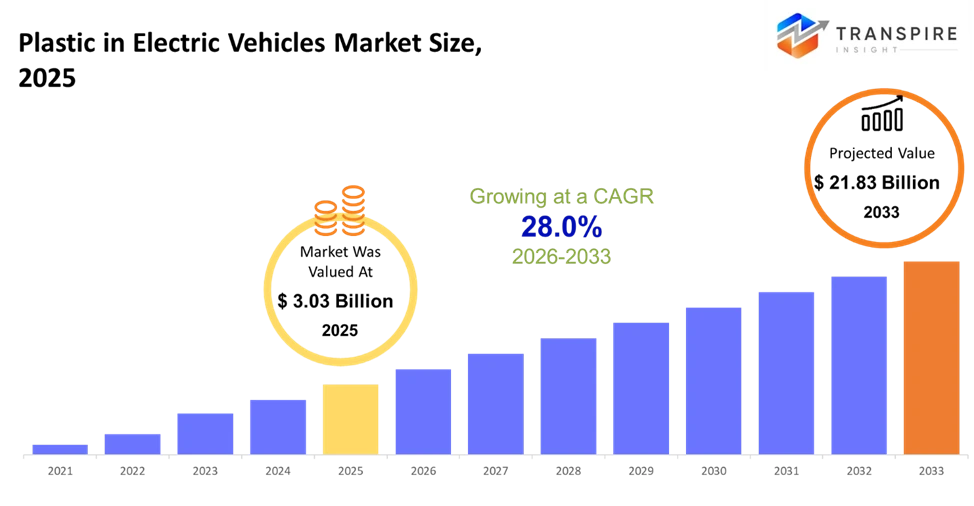
The global electric vehicle (EV) plastics market was valued at USD 3.03 billion in 2025 and is projected to grow at a CAGR of 28.0% during the forecast period from 2026 to 2033. Market expansion is primarily driven by the increasing substitution of conventional metal components with high-performance engineering polymers in Battery Electric Vehicles (BEVs), Plug-in Hybrid Electric Vehicles (PHEVs), and Hybrid Electric Vehicles (HEVs) to achieve aggressive lightweighting targets.
Advanced polymer materials such as polypropylene (PP), polyamide (PA), polycarbonate (PC), polyurethane (PU), and polybutylene terephthalate (PBT) are being widely adopted due to their high strength-to-weight ratio, thermal resistance, electrical insulation properties, flame retardancy, and chemical stability. These characteristics are critical for battery enclosures, power electronics housings, charging system components, interior modules, and structural applications operating under elevated thermal and mechanical stress conditions.
Furthermore, stringent global emission regulations, lifecycle carbon reduction mandates, and OEM focus on energy efficiency optimization are accelerating the integration of lightweight polymer composites. The growing use of antimicrobial and flame-retardant polymer grades in EV interiors and battery systems is also contributing to market growth, particularly in compliance with safety and hygiene standards.
Market Size & Forecast
- 2023 Market Size: USD 3.03 Billion
- 2033 Projected Market Size: USD 21.83 Billion
- CAGR (2026-2033): 28.0%
- North America: Largest Market in 2026
- Asia Pacific: Fastest Growing Market
To learn more about this report,  Download Free Sample Report
Key Market Trends Analysis
The Electric Vehicle (EV) Plastics Market is positioned for significant expansion, supported by accelerating electrification trends, stringent decarbonization mandates, and continuous advancements in high-performance polymer engineering.
- North America represents the leading regional market, underpinned by strong regulatory frameworks, federal and state-level sustainability incentives, and increasing OEM investments in domestic EV production capacity.
- Asia-Pacific is projected to witness the fastest growth rate, driven by large-scale EV adoption in key economies, expanding charging infrastructure, localized battery manufacturing, and supportive government policies promoting new energy vehicles.
- In terms of material segmentation, polypropylene (PP) accounts for the largest market share due to its cost-efficiency, lightweight properties, chemical resistance, and suitability for interior and under-the-hood applications. Meanwhile, polycarbonate (PC) is emerging as the fastest-growing polymer segment, attributed to its superior impact strength, dimensional stability, flame retardancy, and applicability in battery enclosures, lighting systems, and advanced electronic components.
- Core growth drivers include the escalating demand for lightweight materials to enhance vehicle range and energy efficiency, increasingly stringent emission and fuel economy standards, and regulatory frameworks encouraging sustainable and recyclable material integration within automotive manufacturing ecosystems.
Global Plastic in Electric Vehicles Market Segmentation
By Component
Battery System
- Battery Housing & Enclosure:
Engineering thermoplastics and composite polymers are increasingly replacing metal casings to reduce weight while ensuring mechanical strength, impact resistance, and compliance with fire safety standards (e.g., UL94 V-0 ratings). - Cell Separators & Insulation Layers:
High-performance polymer films such as polyolefins and specialty membranes are used for electrical insulation and ion permeability control, ensuring operational safety and thermal stability. - Thermal Management Components:
Advanced polymers support heat dissipation systems while maintaining dielectric properties under high-voltage conditions. - Cooling Plates & Channels:
Lightweight polymer composites enable optimized coolant flow pathways, corrosion resistance, and improved thermal conductivity when combined with fillers.
Power Electronics
- Inverters & Converters Housings:
Flame-retardant and high-temperature-resistant polymers protect sensitive semiconductor components and provide structural durability. - DC-DC Converter Structural Parts:
High dielectric strength materials are used to ensure electrical insulation and dimensional stability. - Cooling System Components:
Engineering plastics with enhanced thermal conductivity are used in pump housings, connectors, and fluid management systems. - On-Board Chargers Casing & Insulators:
Electrically insulating and heat-resistant polymers safeguard charging modules and improve long-term reliability.
E-Engine (Electric Motor System)
- Motor Housing & Covers:
Glass-fiber-reinforced polymers are used for lightweighting and vibration dampening. - Rotor & Stator Insulation Materials:
High-performance insulating polymers prevent short circuits and improve thermal endurance. - Cooling System Components:
Plastic components enable optimized fluid flow while reducing system mass. - Others:
Includes connectors, brackets, and protective casings designed for high-voltage applications.
By Polymer Type
Polyamide (PA)
Widely used due to high mechanical strength, thermal resistance, and chemical stability. Ideal for under-the-hood and structural applications.
Polybutylene Terephthalate (PBT)
Offers dimensional stability, electrical insulation, and heat resistance, making it suitable for connectors and electronic housings.
Polycarbonate (PC)
Known for impact resistance and transparency. Increasingly used in battery enclosures, lighting systems, and electronic casings.
Polypropylene (PP)
Dominates due to low density, cost efficiency, chemical resistance, and recyclability. Common in interior and semi-structural parts.
Polyethylene (PE)
Primarily used for insulation films, wire coatings, and fluid systems due to flexibility and moisture resistance.
Polyurethane (PU)
Used in seating, NVH insulation, sealing systems, and energy-absorbing structures.
Others
Includes PPS, ABS, PEEK, and advanced composite polymers for high-temperature and specialty applications.
To learn more about this report, Download Free Sample Report
By Vehicle Type
Battery Electric Vehicles (BEVs)
Represent the largest demand segment due to higher battery capacity and extensive electrified components requiring insulation and lightweight materials.
Plug-in Hybrid Electric Vehicles (PHEVs)
Demand plastics for both internal combustion and electric systems, increasing overall material complexity.
Hybrid Electric Vehicles (HEVs)
Moderate plastic integration compared to BEVs but still significant for battery packs and electronic modules.
By End-Users (Functional Application)
Thermal Management Plastics
High thermal stability polymers used in battery cooling systems, HVAC modules, and heat dissipation components.
High-Voltage Plastics
Specialized dielectric materials designed for electrical insulation and arc resistance in high-voltage environments.
Structural & Lightweighting Plastics
Fiber-reinforced composites and engineering polymers replacing metals to improve energy efficiency and vehicle range.
Sealing & NVH Plastics
Elastomeric and foam-based plastics used for sealing, vibration dampening, and noise reduction in EV architectures.
Regional Insights
Asia Pacific emerged as the leading regional market in 2023, accounting for over 55.9% of global revenue share. The region’s dominance is underpinned by its strong automotive manufacturing ecosystem, vertically integrated supply chains, and high concentration of EV production hubs across China, Japan, South Korea, and India. Competitive advantages such as readily available raw materials, established polymer processing infrastructure, and cost-efficient skilled labor further reinforce regional leadership.
China, in particular, represents the largest EV market globally in terms of sales volume, supported by aggressive electrification targets, domestic battery manufacturing capacity, and government-backed industrial policies. Rising disposable income levels and increasing EV adoption among middle-income consumers in emerging economies such as China and India are expected to sustain demand growth over the forecast period.
In Europe, major chemical manufacturers are scaling up production of high-performance engineering plastics tailored for electric mobility applications, including battery enclosures, high-voltage insulation systems, and lightweight structural components. Regional market expansion is supported by regulatory incentives such as tax exemptions, purchase subsidies, and stringent carbon emission reduction mandates aligned with the European Green Deal framework.
In North America, strategic capital investments by leading OEMs are accelerating EV penetration. For instance, Volkswagen has announced an investment of approximately USD 7.1 billion to expand its electric vehicle portfolio with the introduction of 25 new EV models in the region. The company has projected that EVs could account for approximately 55% of its total vehicle sales in the North American market over the coming years, further strengthening demand for advanced polymer materials in electrified vehicle platforms.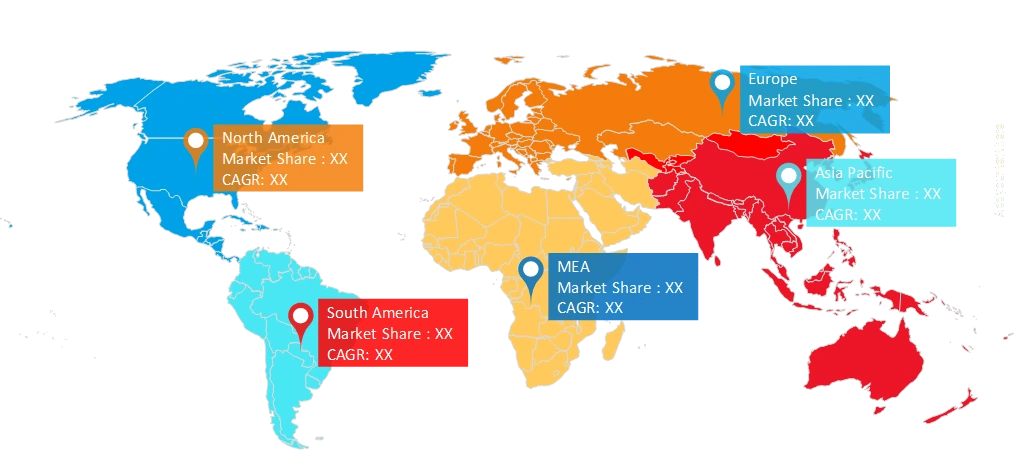
To learn more about this report, Download Free Sample Report
|
Report Metrics |
Details |
|
Market size value in 2025 |
USD 3.03 Billion |
|
Market size value in 2026 |
USD 7.80 Billion |
|
Revenue forecast in 2033 |
USD 21.83 Billion |
|
Growth rate |
CAGR of 28.0% from 2026 to 2033 |
|
Base year |
2025 |
|
Historical data |
2021 – 2024 |
|
Forecast period |
2026 – 2033 |
|
Report coverage |
Revenue forecast, competitive landscape, growth factors, and trends |
|
Regional scope |
North America; Europe; Asia Pacific; Latin America; Middle East & Africa |
|
Country scope |
United States; Canada; Mexico; United Kingdom; Germany; France; Italy; Spain; Denmark; Sweden; Norway; China; Japan; India; Australia; South Korea; Thailand; Brazil; Argentina; South Africa; Saudi Arabia; United Arab Emirates |
|
Key company profiled |
BASF SE, SABIC, SOLVAY, CELANESE, LANGER GROUP, ASAHI KASEI, LANXESS, TORAY, COVISTRO, HUNTSMAN CORPORATION, ARKEMA GLOBAL |
|
Customization scope |
Free report customization (country, regional & segment scope). Avail customized purchase options to meet your exact research needs. |
|
Report Segmentation |
By Component: Battery System (Battery Housing & Enclosure, Cell Separators & Insulation Layers, Thermal Management Component, Cooling Plates & Channels), Power Electronics (Inverters & Converters Housings, DC-DC Converter Structural Parts, Cooling System Components, On-Board Chargers Casing & Insulators), E Engine (Motor Housing & Covers, Rotor & Stator Insulation Material, Cooling System Components, Others) By Polymer Type: Polyamide, Polybutylene Terephthalate, Polycarbonate, Polypropylene, Polyethylene, Polyurethane, Others By Vehicle Type: Battery Electric Vehicles, Plug-in Hybrid Electric Vehicles, Hybrid Electric Vehicles By End-Users: Thermal Management Plastics, High-Voltage Plastics, Structural & Lightweighting Plastics, Sealing & NVH Plastics |
Key Global Plastic in Electric Vehicles Company Insights
- BASF SE
- SABIC
- SOLVAY
- CELANESE
- LANGER GROUP
- ASAHI KASEI
- LANXESS
- TORAY
- COVISTRO
- HUNTSMAN CORPORATION
- ARKEMA GLOBAL
Global Plastic in Electric Vehicles Market Report Segmentation
-
By Component:
Battery System (Battery Housing & Enclosure, Cell Separators & Insulation Layers, Thermal Management Component, Cooling Plates & Channels),
Power Electronics (Inverters & Converters Housings, DC-DC Converter Structural Parts, Cooling System Components, On-Board Chargers Casing & Insulators),
E Engine (Motor Housing & Covers, Rotor & Stator Insulation Material, Cooling System Components, Others)
-
By Polymer Type:
Polyamide, Polybutylene Terephthalate, Polycarbonate, Polypropylene, Polyethylene, Polyurethane, Others -
By Vehicle Type:
Battery Electric Vehicles, Plug-in Hybrid Electric Vehicles, Hybrid Electric Vehicles -
By End-Users:
Thermal Management Plastics, High-Voltage Plastics, Structural & Lightweighting Plastics, Sealing & NVH Plastics
Regional Outlook
- North America
- United States
- Canada
- Mexico
- Europe
- Germany
- United Kingdom
- France
- Spain
- Italy
- Rest of Europe
- Asia Pacific
- Japan
- China
- Australia & New Zealand
- South Korea
- India
- Rest of Asia Pacific
- South America
- Brazil
- Argentina
- Rest of South America
- Middle East & Africa
- Saudi Arabia
- United Arab Emirates
- South Africa
- Rest of the Middle East & Africa
Frequently Asked Questions
Find quick answers to common questions.
The approximate Plastic in Electric Vehicles Market size for the market will be USD 21.83 billion in 2033.
Key segments for the Plastic in Electric Vehicles Market are By Component: Battery System (Battery Housing & Enclosure, Cell Separators & Insulation Layers, Thermal Management Component, Cooling Plates & Channels), Power Electronics (Inverters & Converters Housings, DC-DC Converter Structural Parts, Cooling System Components, On-Board Chargers Casing & Insulators), E Engine (Motor Housing & Covers, Rotor & Stator Insulation Material, Cooling System Components, Others) By Polymer Type: Polyamide, Polybutylene Terephthalate, Polycarbonate, Polypropylene, Polyethylene, Polyurethane, Others By Vehicle Type: Battery Electric Vehicles, Plug-in Hybrid Electric Vehicles, Hybrid Electric Vehicles By End-Users: Thermal Management Plastics, High-Voltage Plastics, Structural & Lightweighting Plastics, Sealing & NVH Plastics.
Major Plastic in Electric Vehicles Market players are BASF SE, SABIC, SOLVAY, CELANESE, LANGER GROUP, ASAHI KASEI, LANXESS, TORAY, COVISTRO, HUNTSMAN CORPORATION, ARKEMA GLOBAL.
The North America region is leading the Plastic in Electric Vehicles Market.
The Plastic in Electric Vehicles Market CAGR is 28.0%.
- BASF SE
- SABIC
- SOLVAY
- CELANESE
- LANGER GROUP
- ASAHI KASEI
- LANXESS
- TORAY
- COVISTRO
- HUNTSMAN CORPORATION
- ARKEMA GLOBAL
Recently Published Reports
-
Dec 2024
ATV & UTV Market
ATV & UTV Market Size, Share & Analysis Report By Type (ATV, and UTV), By Variants (Less Than 400 CC, 400 CC To 800 CC, and More Than 800 CC), and Geography (North America, Europe, Asia-Pacific, Middle East and Africa, South and Central America), 2021 - 2031
-
Jan 2025
Automotive Central Gateway Module Market
Automotive Central Gateway Module Market Size, Share & Analysis Report By Type (Ethernet Central Gateway Module, CAN Central Gateway Module, LIN Central Gateway Module, and FlexRay), By Application (Powertrain Control, Body Control, Infotainment System, Advanced Driver Assistance Systems (ADAS), and Others), By End User (Passenger Vehicles, and Commercial Vehicles), and Geography (North America, Europe, Asia-Pacific, Middle East and Africa, South and Central America), 2021 - 2031
-
Jan 2025
Automotive Engine Oil Filter Market
Automotive Engine Oil Filter Market Size, Share & Analysis Report By Filter Type (Fuel Filter, Engine Oil Filter, Hydraulic Oil Filter, and Others), By Filter Media (Cellulose, Synthetic, and Micro), By Sales Channel (OEMs, and Aftermarket), By Vehicle Type (Passenger Cars, Light Commercial Vehicles, Heavy Duty Trucks, Buses and Coaches, and Off-road Vehicles), and Geography (North America, Europe, Asia-Pacific, Middle East and Africa, South and Central America), 2021 - 2031
-
Jan 2025
Automotive Parts Aluminium Die Casting Market
Automotive Parts Aluminium Die Casting Market Size, Share & Analysis Report By Production Process (Pressure Die Casting, Vacuum Die Casting, Squeeze Die Casting, Gravity Die Casting), By Application (Body Parts, Engine Parts, Transmission Parts, Battery And Related Components, Other Application Types), and Geography (North America, Europe, Asia-Pacific, Middle East and Africa, South and Central America), 2021 - 2031
Our Clients