
United States Isomaltulose Market Size & Forecast:
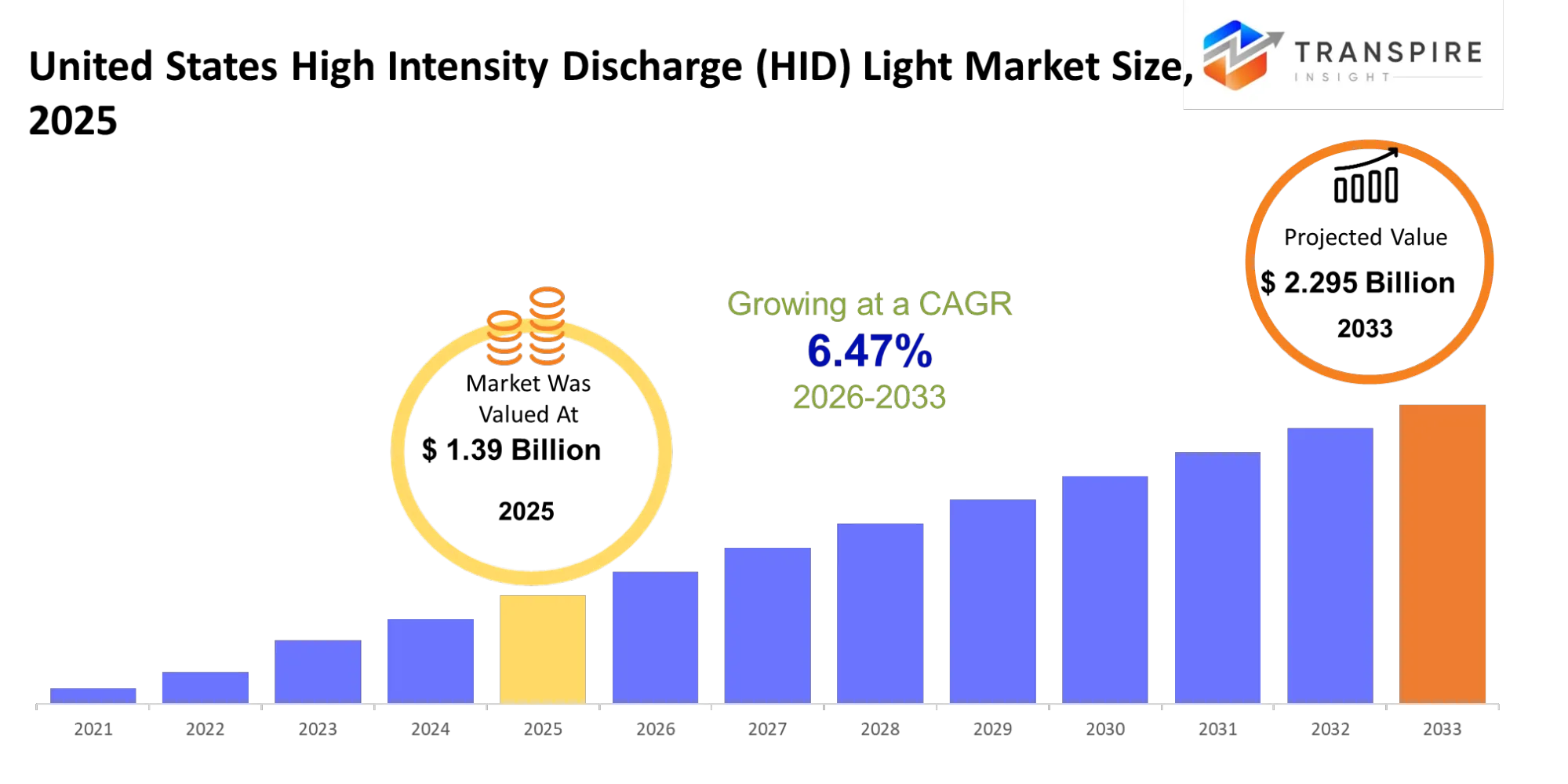
- United States Isomaltulose Market Size 2025: USD 249.25 Million
- United States Isomaltulose Market Size 2033: USD 520.7 MillionÂ
- United States Isomaltulose Market CAGR: 9.65%
- United States Isomaltulose Market Segments:Â By Type (Natural Isomaltulose, Synthetic Isomaltulose, Powder, Liquid, High-purity, Others), By Application (Food & Beverages, Sports Nutrition, Infant Nutrition, Pharmaceuticals, Supplements, Others), By End-User (Food Industry, Pharma, Nutrition, Retail, Industrial, Others), By Form (Powder, Liquid, Syrup, Granules, Capsules, Others).Â
To learn more about this report,  Download Free Sample Report
United States Isomaltulose Market Summary:Â
The United States Isomaltulose Market size is estimated at USD 249.25 Million in 2025 and is anticipated to reach USD 520.7 Million by 2033, growing at a CAGR of 9.65% from 2026 to 2033. The United States Isomaltulose market is, like, getting more and more important in food and beverage manufacturing because it allows brands to deliver slow release energy without that sharp blood sugar spike people associate with conventional sugars. In real use, you’ll see it showing up in sports nutrition drinks , diabetic-friendly foods , meal replacements , and functional snacks, where metabolic stability and sustained energy performance really steer consumer purchasing choices.
Over the last three to five years, the market kind of moved from “niche health†messaging toward a more mainstream formulation mindset. Big food companies now treat isomaltulose as a functional ingredient , not really as some sort of premium alternative sweetener. This shift kind of really picked up after the pandemic-era health worries made shoppers more attentive to sugar quality , energy balance , and metabolic wellbeing. At the same time , disruptions across supply chains in traditional sweetener markets nudged manufacturers to diversify ingredient sourcing and rework their formulas using value added carbohydrates. So yeah, isomaltulose adoption keeps going, moving beyond specialty nutrition into wider packaged food categories , and that gives ingredient suppliers and formulation partners steadier longer term revenue visibility.
Key Market Insights
- The United States Isomaltulose Market kind of benefits from this growing demand for sustained energy ingredients across functional beverages, meal replacements, and performance nutrition products, as people keep looking for stuff that lasts longer.
- Functional food manufacturers increased isomaltulose integration by more than 20¾tween 2021 and 2025, mostly to sharpen the glycemic response positioning and to make products feel more distinctive in the same, already crowded category.
- Low glycemic carbohydrate formulations now basically dominate the premium sports nutrition launches, which is helping the industry grow in size and also improves long term market penetration across health focused consumer categories.
- Clean label reformulation trends really accelerated after 2020 so food brands moved away from traditional sugars, swapping them with specialty carbohydrates that release energy in a prolonged way… not just right away.
- In 2025, the Northeast region led the United States Isomaltulose Market, holding nearly a 34% share, mainly because the functional food manufacturing infrastructure there is strong and already established.
- The West Coast is the fastest-growing regional market through 2032. This is supported by innovation driven beverage startups, plus advanced nutritional product development, even with tighter competitive pressures.
- California continues to lead regional demand drivers because there are concentrated investments in wellness focused food technology and sports nutrition manufacturing, so the pipeline keeps moving.
- Powder based isomaltulose products accounted for around 61% market share in 2025, since manufacturers prefer easier formulation stability and extended shelf life, without too much drama during storage.
- Liquid isomaltulose formulations showed up as the second largest segment. This is because applications are expanding in ready to drink functional beverages and hydration products, where convenience matters.
- Organic and non GMO isomaltulose products represent the fastest growing segment over the forecast period, as clean label purchasing behavior strengthens, and consumers keep asking for those specific labels.
What are the Key Drivers, Restraints, and Opportunities in the United States Isomaltulose Market?
The strongest force driving the United States Isomaltulose Market really is that rapid reworking of functional foods and sports nutrition items around glycemic control, you know. Like it kind of took off after the big beverage and nutrition players got pressure to cut back on added sugars but still keep the sustained power narrative, in a way. Isomaltulose then looked more commercially appealing because it lets makers build low-glycemic steady-energy products without losing sweetness reliability, or whatever you want to call it. In endurance nutrition, diabetic-friendly meals, and those premium hydration offerings that started appearing on more retail shelves, ingredient providers moved into higher-value agreements, plus longer manufacturing runs. That part, honestly, pushed revenue possibilities for specialty carbohydrate makers and the formulation teams they work with.
The market’s main drawback though is the steep production cost, and also a relatively small worldwide manufacturing network for isomaltulose. It differs from normal sweetening agents, in the sense that isomaltulose requires specialized enzymatic conversion stages and carefully managed purification setups, and those steps can’t be ramped up fast. So this structural supply jam keeps its pricing noticeably above standard sugar alternatives, which then slows broad adoption by mass-market food manufacturers. Smaller producers also sometimes stall their reformulation attempts because ingredient expenses squeeze their profit margins in price-sensitive categories, and then it becomes harder to keep momentum.
A big growth opening seems to be showing up in medical nutrition, and in personalized metabolic health offerings. It looks like digital health platforms, along with continuous glucose monitoring tech, are quietly turning into real, measurable shopper interest for steady-energy carbohydrate answers. Nowadays the teams building glucose-responsive nutrition products often also start working isomaltulose into clinical drinks, recovery formulations, and even subscription-style wellness programs. This is especially happening across the more advanced healthcare and nutrition ecosystems in the United States, and people are noticing.
What Has the Impact of Artificial Intelligence Been on the United States Isomaltulose Market?
Artificial intelligence and more advanced digital technologies are kinda reshaping the United States Isomaltulose Market, by pushing ingredient manufacturing into a tighter groove, improving formulation efficiency, and also making supply chain responses a bit quicker than before. More and more food ingredient producers are starting to rely on AI powered process automation to track enzymatic conversion rates, crystallization uniformity and the purification environment during isomaltulose production. Automated control systems with real-time sensors lets manufacturers cut down on batch-to-batch variation, while they refine how they use raw materials ,especially inside high volume functional sweetener plants where consistency matters a lot.
Then there are machine learning models that lend a hand with predictive production management, because it’s not just “monitoring†anymore. Manufacturers review past processing records, energy use rhythms, and equipment performance signals, so they can expect maintenance needs before a system actually fails. In practice this helps lower sudden downtime and keeps production steady in specialty carbohydrate manufacturing sites. A few processors mention directional improvements to day to day operational efficiency, like less byproduct waste, quicker quality assurance cycles, and better yield steadiness across different production runs.
Alongside that, advanced analytics platforms are being used by food and beverage companies to estimate formulation behavior and to read consumer buying patterns, especially in low glycemic nutrition segments. That supports sharper inventory decisions, and it can speed up product introduction timelines for sports nutrition items and also diabetic friendly foods, in a more coordinated way.
Still though, AI adoption hits a noticeable ceiling because many specialty ingredient manufacturers still run fragmented legacy systems and they often have limited historical datasets, so the models can’t learn as much as they ideally would.
Key Market TrendsÂ
- From 2020 to 2025, a bunch of sports nutrition brands started using more isomaltulose, kinda because endurance-focused customers were drifting away from the usual high-spike glucose blends.Â
- After 2021 , beverage makers also reworked hydration and energy drinks, swapping out the typical sweeteners for slow-release carbohydrates, so energy hangs around longer, you know.Â
- And then the clean label launches, using specialty carbohydrates, climbed a lot after big retailers tightened their added-sugar rules and ingredient transparency demands for packaged foods.Â
- Companies like Beneo and Ingredion, they leaned harder into formulation collaborations with functional beverage startups between 2022 and 2025 , kind of steadily.Â
- During 2021 , supply chain disruptions really showed how dependent manufacturers were on conventional sweetener sourcing, so they moved toward more varied procurement for specialty carbohydrates, rather than sticking to one track.Â
- Also, once continuous glucose monitoring became more common after 2022, people seemed more interested in low-glycemic nutrition products, especially performance athletes and metabolically minded consumer groups.Â
- Food manufacturers then shifted their messaging, not as much “cut sugar†but more “glycemic performanceâ€, and that changed how premium nutrition items compete across different retail channels.Â
- After 2023 , AI-driven manufacturing setups improved enzymatic conversion accuracy and lowered batch-to-batch variability in specialty sweetener production plants.Â
- Clinical nutrition providers then expanded isomaltulose inclusion in recovery drinks and medical nutrition formulas as hospitals emphasized stable-energy dietary management, which… kind of makes sense.
- Organic and non-GMO formulas grabbed stronger shelf presence after 2021 too, because premium consumers were scrutinizing sourcing and processing transparency even more aggressively, no exceptions.
United States Isomaltulose Market Segmentation
By Type
Natural isomaltulose kind of sits in the strongest market position within its type segment, mostly because food manufacturers keep leaning toward ingredients that come from enzymatic conversion steps—those are then tied to a clean label idea, you know. Even the higher purity variants still keep a lot of share , since they have to meet strict performance needs in clinical nutrition, diabetic friendly offerings, and sports formulations where metabolic consistency really has to stay locked in. Meanwhile synthetic and blended alternatives are still in smaller industrial pockets, not much, because cost sensitivity still drives a lot of large scale processed food production.
The powder based specialty grades got more attention over the last five years as companies tried to push longer shelf life plus simpler formulation handling, especially for functional drinks and nutrition powders. What happens next inside this type category will probably revolve around premium purification approaches, non-GMO certifications, and ways to improve production efficiency too. Ingredient suppliers that invest in advanced processing systems and traceable sourcing models are expected to strengthen their pricing power, and also widen penetration across pharmaceutical plus medical nutrition uses.
By Application
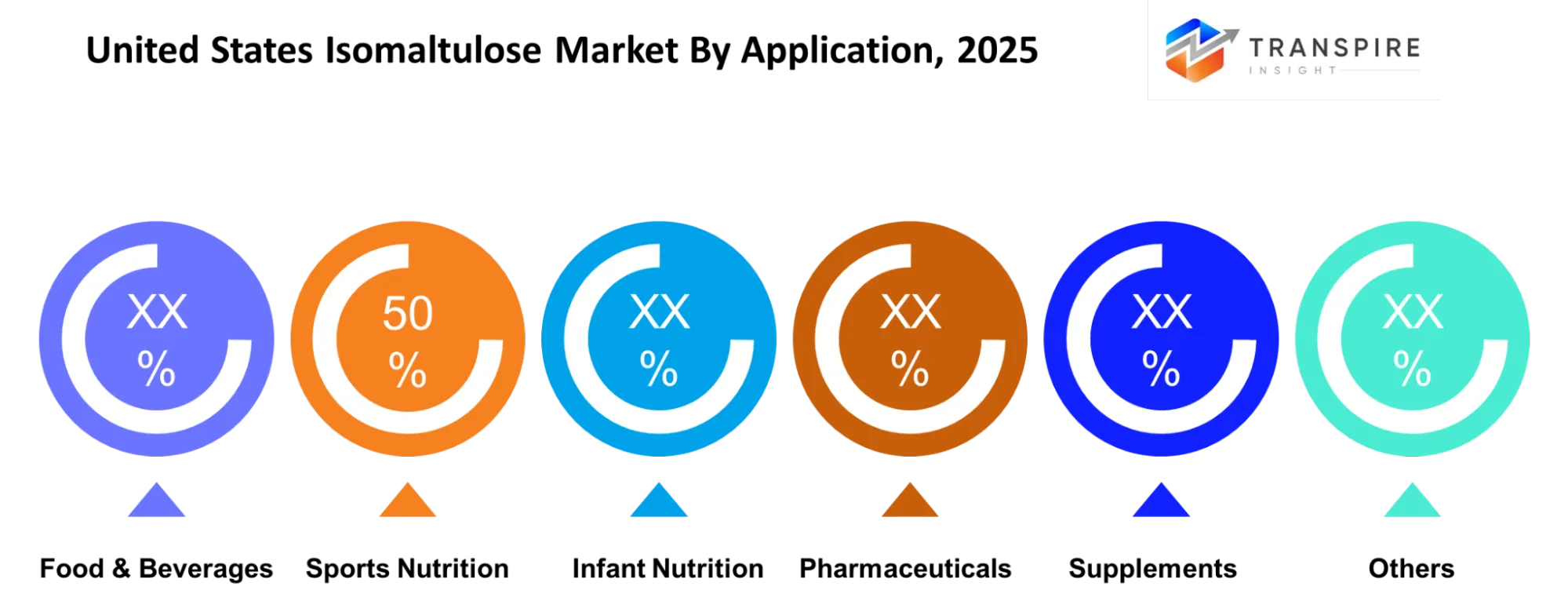
Food and beverages are the big application slice it seems, mainly because manufacturers keep tweaking energy drinks , meal replacements dairy alternatives and functional snacks with a slow-release carbohydrate angle, like a more steady kind of fuel. Sports nutrition is close behind too, since endurance-minded products are moving toward stable-energy performance promises instead of that fast glucose boost story. Supplements along with clinical nutrition also picked up steam, after continuous glucose monitoring tools made consumers more data-driven with what they eat and how.Â
Infant nutrition and pharmaceutical formulations are still smaller, but they matter in a strategic sense, because the formulation rules are strict and the pricing runs premium. Across these categories the growth trend is increasingly tied to metabolic health positioning, not only the older sugar reduction marketing message. Functional beverage makers keep leaning in because sustained energy talk helps justify premium shelf prices and clearer brand differentiation. In the coming period investment will probably go toward personalized nutrition systems, recovery centered medical products and newer beverage formulas built around measurable glycemic response performance.
To learn more about this report, Download Free Sample Report
By End-User
The food industry is still the biggest end user segment, mostly because big manufacturers keep swap ping out older sweeteners for newer ones in premium packaged foods, drinks, and nutritional products, kinda steadily. Nutrition companies look like the fastest growing group as performance health brands increasingly go after metabolic efficiency narratives and they push sustained-energy formulations too. On the pharmaceutical and clinical nutrition side, providers also increased their buying volumes, since low-glycemic carbohydrate systems help with recovery meals that are more specialized, plus diabetic nutrition protocols. Meanwhile retail led private label activity has been higher in recent years, because supermarkets have expanded their wellness oriented product shelves and they also added more premium functional food offerings.
For industrial buyers the participation stays smaller, mainly due to higher ingredient costs, compared with regular carbohydrate alternatives, which makes sense I guess. What comes next for end user expansion will hinge a lot on partnerships between specialty ingredient suppliers, healthcare oriented nutrition firms, and digital wellness platforms. Firms that can blend formulation science with clear measurable metabolic outcomes are the ones that should lock in more durable commercial ties across several downstream industries.
By FormÂ
Powder formulations pretty much dominate the form segment, because manufacturers sort of like storage stability, transport efficiency, and the whole compatibility thing with dry nutritional blends, and also powdered beverages. Meanwhile liquid and syrup forms keep picking up adoption in ready to drink products, mostly because blending faster is nice and sweetness consistency stays steadier during big scale beverage processing. Granules still hang onto a niche demand in bakery and confectionery manufacturing, texture control matters and controlled dissolution stays relevant for specialty uses, even if it’s not the main driver everywhere.
Capsule based formats are still a smaller category, but they keep expanding in nutraceuticals and focused metabolic support products. If you look at how the market behaves by form, it increasingly seems to track manufacturing convenience and formulation precision, more than it’s about replacing sweetness alone. Beverage producers continue investing in liquid systems, trying to shorten production cycles and reduce ingredient handling headaches. In the future, growth opportunities will probably show up with customized delivery formats for personalized nutrition, clinical supplementation, and high performance sports recovery products that need controlled carbohydrate release profiles.
What are the Key Use Cases Driving the United States Isomaltulose Market?
Sports nutrition is still, honestly, the main reason companies pick isomaltulose , across the United States food and drink scene. You see it with energy drink makers , endurance supplement brands, and recovery nutrition firms that are leaning on these slow release carbohydrates. Their goal is basically steady energy delivery, especially when someone is doing prolonged physical activity, for a while.
At the same time functional beverages and diabetic-friendly foods are getting more visible momentum. Nutrition focused manufacturers and clinical nutrition providers are both pushing this direction. Things like meal replacement products , protein shakes , and low glycemic snack mixes are starting to blend in specialty carbohydrates. This helps with metabolic positioning and also stretches the energy-release profile for people who are more health conscious.
Then there are the newer uses, which are showing up in personalized nutrition platforms and medical recovery offerings. These are often tied to continuous glucose monitoring technologies, so it’s a little more precise. Healthcare oriented nutrition startups are testing isomaltulose inside targeted metabolic wellness programs, subscription based dietary systems and also more advanced clinical nutrition beverages , built specifically for glucose stability management.
|
Report Metrics |
Details |
|
Market size value in 2025 |
USD 249.25 Million |
|
Market size value in 2026 |
USD 273.31 Million |
|
Revenue forecast in 2033 |
USD 520.7 Million |
|
Growth rate |
CAGR of 9.65% from 2026 to 2033 |
|
Base year |
2025 |
|
Historical data |
2021 - 2024 |
|
Forecast period |
2026 - 2033 |
|
Report coverage |
Revenue forecast, competitive landscape, growth factors, and trends |
|
Geographic scope |
United States of America |
|
Key company profiled |
Beneo, Cargill, ADM, Südzucker, Cosucra, Roquette, Ingredion, Tate & Lyle, Meiji, Mitsui Sugar, Baolingbao, Shandong Bailong, Gushen, Sensus, FrieslandCampina |
|
Customization scope |
Free report customization (country, regional & segment scope). Avail customized purchase options to meet your exact research needs. |
|
Report Segmentation |
By Type (Natural Isomaltulose, Synthetic Isomaltulose, Powder, Liquid, High-purity, Others), By Application (Food & Beverages, Sports Nutrition, Infant Nutrition, Pharmaceuticals, Supplements, Others), By End-User (Food Industry, Pharma, Nutrition, Retail, Industrial, Others), By Form (Powder, Liquid, Syrup, Granules, Capsules, Others) |
Which Regions are Driving the United States Isomaltulose Market Growth?
The Northeast region leads the United States isomaltulose market, because major food manufacturing clusters, advanced ingredient processing facilities,and established nutrition brands still stay heavily concentrated across this area. Also, the strong proximity to pharmaceutical companies, clinical nutrition developers, and functional beverage manufacturers helps support big scale commercial adoption of specialty carbohydrates. On top of that, regulatory attention on transparent nutritional labeling and sugar reduction programs has been strengthening demand for low glycemic ingredients across premium packaged food categories. Meanwhile research universities, food innovation centers, and long standing supplier networks keep reinforcing the region’s leadership, by speeding up formulation development and commercialization timelines .
The Midwest is the second-largest regional contributor, though the growth dynamics are different a lot from what we see in the Northeast. Here, large agricultural processing infrastructure and steady raw material availability give consistent production economics for specialty carbohydrate manufacturers working in the region. Food companies across the Midwest usually lean into operational reliability, long term supply commitments, and scalable manufacturing capacity, rather than trying faster premium product experimentation. This kind of steadiness builds dependable revenue streams for ingredient suppliers, especially within mainstream food processing, dairy substitutes, and large volume nutritional product manufacturing.
The West Coast is showing the swiftest growth momentum, sort of because of aggressive expansion in wellness oriented food technology and personalized nutrition ventures. Venture capital investment in metabolic health startups and performance beverage firms picked up a lot after 2021, which then created higher commercial demand for slow release carbohydrate ingredients, and yeah it keeps compounding. More and more technology driven nutrition brands fold glucose monitoring insights into how they build and refine their products, which also helps the uptake of advanced functional sweeteners. As this region grows it brings genuinely interesting openings for ingredient innovators, contract manufacturers and even specialty nutrition investors who are looking for premium margin expansion from 2026 through 2033.
Who are the Key Players in the United States Isomaltulose Market and How Do They Compete?
The United States isomaltulose market is still, like, moderately consolidated, mainly because making it takes specialized enzymatic conversion tools , plus controlled purification infrastructure and also those long term relationships inside the food industry. The big ingredient players keep defending their share with formulation know how, regulatory certifications , and dependable supply, not just by undercutting price. Nowadays the fight seems to lean more toward technical results in functional beverages, sports nutrition, and clinical uses where glycemic stability and a clean label image really steer the buying decision. Smaller entrants do show up now and then in premium nutrition niches but their production scale stays limited, and the production costs are higher , so their broader commercial growth is kinda capped.
Beneo differentiates using high purity specialty carbohydrate systems built for low glycemic nutrition and endurance focused recipes. They also bring strong clinical research backing and already established partnerships with sports nutrition brands , which gives them that scientific credibility edge that smaller suppliers often can’t easily replicate. Ingredion puts a lot of emphasis on customized formulation assistance for beverage makers and packaged food manufacturers. Their wide North American processing footprint and technical support capacity make it easier to run faster product reformulations, so customers tend to stay longer across functional food applications.
Cargill uses integrated supply chain oversight and those big food manufacturing links to stay competitive via operational efficiency ,and steady procurement. Plus, investing in specialty sweetener portfolios lets them bundle ingredients in a way that makes sourcing easier for large consumer brands. Mitsui Sugar focuses on high performance carbohydrate innovation, especially for clinical nutrition and metabolic wellness products where formulation precision really matters , and that can translate into premium pricing upside. Sudzucker keeps growing by leaning into strategic distribution partnerships and a clean label type of ingredient positioning , targeting premium beverage and nutrition companies that want European quality sourcing norms, and yeah it sounds pretty consistent.
Company List
- Beneo
- Cargill
- ADM
- Südzucker
- Cosucra
- Roquette
- Ingredion
- Tate & Lyle
- Meiji
- Mitsui Sugar
- Baolingbao
- Shandong Bailong
- Gushen
- Sensus
- FrieslandCampina
Recent Development News
In May 2026, TopGum completes PLD gummy manufacturing acquisition: TopGum completed acquisition of a U.S. FDA-standard gummy manufacturing facility, strengthening its North American production capacity for functional nutraceutical gummies. The expansion supports rising demand for functional sugar systems used in products like low-glycemic and energy-releasing formulations (including isomaltulose-based gummies).Â
Source: https://www.nutraingredients.com
In February 2026, TopGum to acquire pharma-grade gummy production for $25M: Â TopGum signed a binding agreement to acquire a U.S. manufacturer of pharmaceutical and supplement gummies, strengthening its formulation and regulatory capabilities for advanced functional dosage systems.
Source: https://www.nutraingredients.com
What Strategic Insights Define the Future of the United States Isomaltulose Market?
The United States isomaltulose market is kinda moving, sort of, toward integration with precision nutrition and metabolic health monitoring along with clinically validated functional food systems in the next five to seven years. The main driver is sliding away from just “sugar reduction†and more into measurable physiological performance, specially since continuous glucose monitoring plus personalized wellness platforms are reshaping buying behavior. Manufacturers that can tie ingredient functionality to data-backed metabolic outcomes will likely get premium pricing leverage and longer term supply agreements, across nutrition healthcare, and performance beverage industries.
There is also one sneaky risk, raw material and production concentration. A relatively small group of global suppliers now controls advanced enzymatic conversion capacity, and that ramps up exposure to pricing swings geopolitical trade disruptions, and niche ingredient shortages. In turn, this fragility might slow adoption among mainstream food manufacturers who work with tighter formulation margins.
A big upcoming chance shows up inside digital health ecosystems that blend glucose tracking with AI driven dietary recommendations, and subscription based nutrition products. Teams should invest early in clinical validation partnerships and build scalable domestic processing infrastructure, so differentiation sticks before personalized metabolic nutrition gets commercially crowded.
United States Isomaltulose Market Report Segmentation
By TypeÂ
- Natural Isomaltulose
- Synthetic Isomaltulose
- Powder
- Liquid
- High-purity
- Others
By ApplicationÂ
- Food & Beverages
- Sports Nutrition
- Infant Nutrition
- Pharmaceuticals
- Supplements
- Others
By End-UserÂ
- Food Industry
- Pharma
- Nutrition
- Retail
- Industrial
- Others
By FormÂ
- Powder
- Liquid
- Syrup
- Granules
- Capsules
- Others
Frequently Asked Questions
Find quick answers to common questions.
The approximate United States Isomaltulose Market size for the market will be USD 520.7 Million in 2033.
The key segments of the United States Isomaltulose Market are By Type (Natural Isomaltulose, Synthetic Isomaltulose, Powder, Liquid, High-purity, Others), By Application (Food & Beverages, Sports Nutrition, Infant Nutrition, Pharmaceuticals, Supplements, Others), By End-User (Food Industry, Pharma, Nutrition, Retail, Industrial, Others), By Form (Powder, Liquid, Syrup, Granules, Capsules, Others).
Major players in the United States Isomaltulose Market are Beneo, Cargill, ADM, Südzucker, Cosucra, Roquette, Ingredion, Tate & Lyle, Meiji, Mitsui Sugar, Baolingbao, Shandong Bailong, Gushen, Sensus, FrieslandCampina.
The current market size of the United States Isomaltulose Market is USD 249.25 Million in 2025.
The United States Isomaltulose Market CAGR is 9.65%.
- Beneo
- Cargill
- ADM
- Südzucker
- Cosucra
- Roquette
- Ingredion
- Tate & Lyle
- Meiji
- Mitsui Sugar
- Baolingbao
- Shandong Bailong
- Gushen
- Sensus
- FrieslandCampina
Recently Published Reports
-
Apr 2026
Baby Infant Formula Market
Baby Infant Formula Market Size, Share & Analysis Report By ype (Infant Milk, Follow On Milk, Specialty Baby Milk, Growing-Up Milk), By Ingredient (Carbohydrate, Fat, Protein, Minerals, Vitamins, and Others), By Product Form (Powder, Liquid, and Ready-to-feed), By Distribution Channels (Supermarket/Hypermarket, Specialty Store, Pharmacies, Online Retail, and Others), and Geography (North America, Europe, Asia-Pacific, Middle East and Africa, South and Central America), 2021 - 2031
-
Apr 2026
Edible Insects for Animal Feed Market
Edible Insects for Animal Feed Market Size, Share & Analysis Report By Type (Insect Powder, Insect Meal, Insect Bar, Insect Paste, Insect Oil, and Others), By Insect Type (Beetles, Cricket, Caterpillar, Hymenoptera, Orthoptera, Tree Bugs, and Others), By Application (Livestock, Pet Food, and Aquaculture), By Livestock Type (Poultry, Swine, and Others), and Geography (North America, Europe, Asia-Pacific, Middle East and Africa, South and Central America), 2021 - 2031
-
Apr 2026
Food Industry Disinfection and Bacterial Control Market
Food Industry Disinfection and Bacterial Control Market Size, Share & Analysis Report By Type (Chemical Disinfectants, Physical Disinfectants, and Biocides and Antimicrobials), By Application (Food Processing Equipment Surface Disinfection, Food Preparation Areas Surface Disinfection, Storage Areas Surface Disinfection, Anti-microbial Coatings Food Preservation, and Preservative Solutions Food Preservation), By End User (Meat and Poultry Processing, Dairy Processing, Seafood Processing, Bakery and Confectionery, Restaurants and Commercial Kitchens, and Food Service Providers), By Sales Channel (Online, Offline), and Geography (North America, Europe, Asia-Pacific, Middle East and Africa, South and Central America), 2021 - 2031
-
Apr 2026
Freeze Dried Food Market
Freeze Dried Food Market Size, Share & Analysis Report By Product Type (Fruits, Vegetables, Freeze-Dried Dairy Products, Freeze-Dried Meat and Seafood, Freeze-Dried Pet Food, and Prepared Meal), By Nature (Organic, and Conventional), By Form (Powdered, Granules, and Diced), By End Use (Breakfast Cereals, Dairy Products, Bakery & Confectionery, Nutritional Bars & Supplements, Powdered Beverages, Snacks, and Retail (Household)), and Geography (North America, Europe, Asia-Pacific, Middle East and Africa, South and Central America), 2021 - 2031