
マーケットサマリー
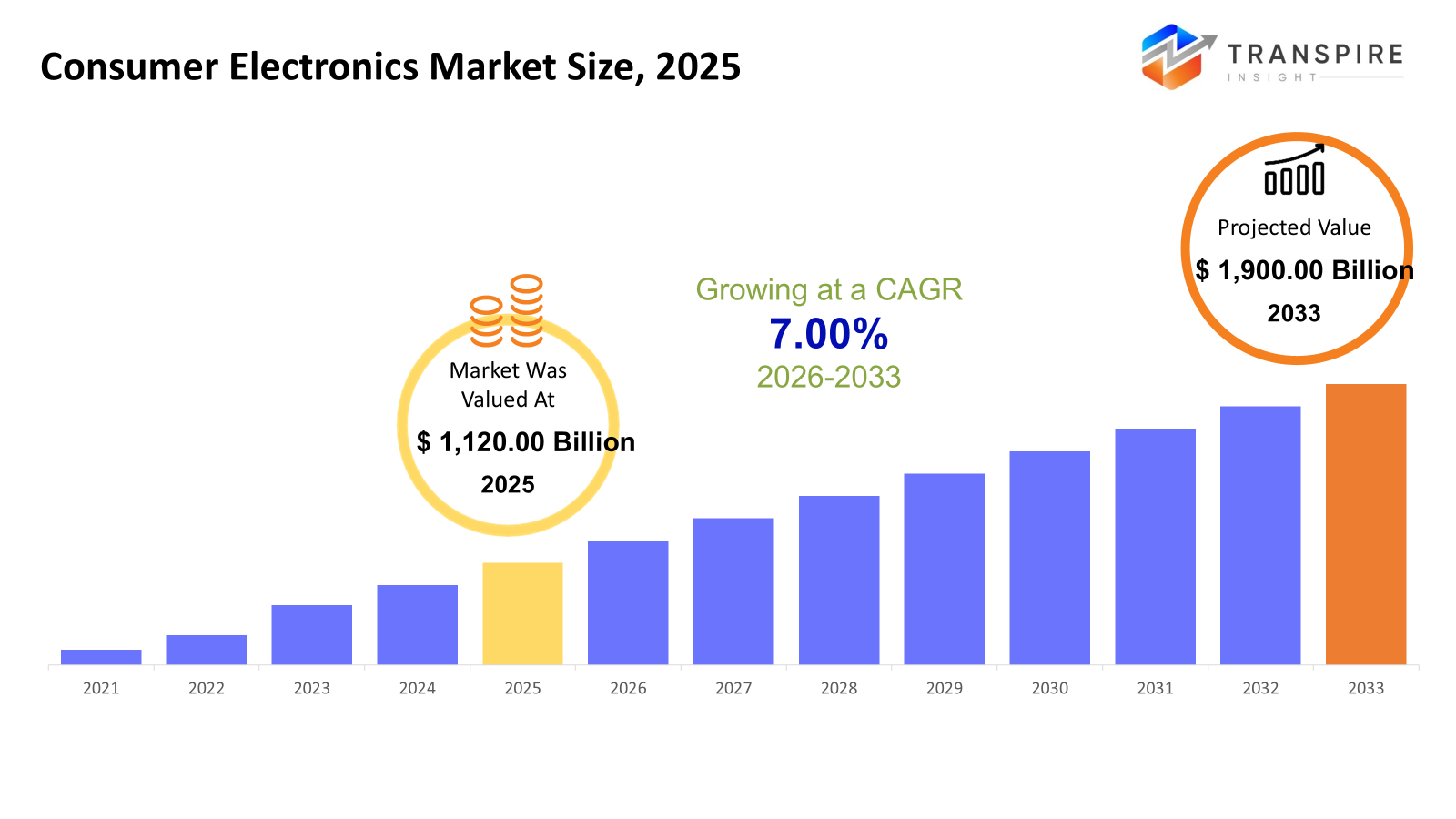
世界的な消費者電子市場規模は、2025年に1,120.00億米ドルで評価され、2033年までに1,900.00億米ドルに達すると予測されています。 消費者の電子セグメントは、急速な技術開発の進歩、Aiの統合の面でのイノベーションの高率、スマートデバイスエコシステムにおけるさらなる発展によって駆動される安定した取引結果で、しっかりと成長しています。 より高い使い捨て可能な収入のレベルおよびより低いプロダクト取り替えの周期はそのようなプロダクトの安定した顧客の支出を保障します。
市場規模と予測
- 2025 市場規模: 米ドル 1,120.00 億
- 2033年 市場規模:usd 1,900.00億
- cagr (2026-2033): 7.00%
- 北アメリカ:2026年最大の市場
- アジア・太平洋:急速に成長する市場
このレポートについて詳しく知る  無料サンプルレポートをダウンロード
市場動向分析
- 北アメリカの消費者の間で接続されたおよび「スマート」デバイスに対する増加の優先順位は、一貫して優れたエレクトロニクスのための堅牢な市場食欲に貢献しています。一方、高技術普及と初期のAIベースのデバイスの導入は、地域消費者電子機器の景観における市場革新を推進しています。
- 交換需要と技術のアップグレードの同様の傾向, より高い使い捨て収入と強力な生態系の統合と相まって, ユニット化された状態は、高需要レベルの一般的な消費者エレクトロニクス製品のための重要な市場をしました.
- アジアpacificは、高消費者数、中級消費者の増加数、堅牢な製造能力を備えた迅速な市場開発を示しています。これにより、消費者向け電子機器製品要件の増大と持続化に貢献します。
- スマートフォンは製品カテゴリを繰り返すため、 テクノロジー モバイル・コネクティビティに関するアップデート、および処理技術、カメラ機能、およびアプリケーション・パッケージの面でのイノベーション、これにより、開発と先進国の両方の消費者からの頻繁な購入を支持します。
- スマートデバイスは、より多くの顧客は、自動デバイスとリモートアクセシビリティの利便性をもたらす、相互接続されたエコシステムを購入し、試すことを喜んでいるため、技術の採用で最初に行われます。これにより、スマートホームシステムのエンゲージメントを最大化します。
- オンライン小売は、競争力のある価格設定、製品比較、および高い可用性の消費者のメリットとして増加しています。メーカーは、アクセス性を改善し、都市だけでなく、半都市市場でのリーチを増加させる直接消費者のビジネス戦略にシフトします。
- これに加えて、住宅のエンドユーザーは、ホームエンターテインメントトレンドのライフスタイルと着実な進歩が消費者電子機器のより多くの投資を促進するため、今後も増え続ける需要を推進します。
そう、 消費者電子市場 個人的な使用、世帯の使用および商業目的のために設計されている電子装置を含んでいます。 これらは、スマートフォン、テレビ、コンピューティングデバイス、オーディオシステム、スマート機器です。 市場の性質は、非常に強力な競争を伴う迅速な革新サイクルで満たされています, 一部継続的な技術進歩によって駆動され、消費者の好みを変更することにより、一部. 需要拡大は、デジタルコネクティビティ、スマートホームエコシステムの拡大、日々のコミュニケーション、エンターテインメント、生産性のための電子機器の重要性が高まっています。 製品の継続的なアップグレードと人工知能とiot技術の統合は、製品の機能と顧客の期待を明らかにします。 市場はまた、オンライン流通チャネルの拡張と国際サプライチェーンの改善から恩恵を受けており、メーカーはより広範な消費者ベースに到達することができます。 接続されたデバイスの採用を増加し、エネルギー効率とマルチ機能製品に焦点を合わせることは、長期的に市場のダイナミクスと競争力のある位置決めを継続的に影響しています。
消費者エレクトロニクス マーケットセグメント化
製品タイプ別
- スマートフォン
スマートフォンは、広範な技術の向上、モバイルデバイスによるインターネット普及の増加、さまざまな機能を提供するデバイス上の消費者による依存度の増加による最大の収益を生成するセグメントを構成する。
- テレビ
テレビセットの需要は、スマートテレビ、大型スクリーンサイズのより高い浸透率から来ており、oledやqledパネルなどのディスプレイ技術を改善しました。 これにより、ストリーミングサービスの消費率が高まり、ホームエンターテインメント体験が向上します。
- ノートパソコン・パソコン
セグメントは、ハイブリッドワーク、デジタル学習、および企業のデジタル化の傾向を楽しんでいます。 需要は安定しており、消費者や企業は、特に新興国では、デジタルインフラ開発が進んでいるため、パフォーマンス、ポータビリティ、コネクティビティに注目します。
- タブレット
タブレットは、その教育アプリ、コンテンツの消費、およびエンタープライズモビリティシナリオで独自の市場を保持しています。 主に遠隔学習や軽量な生産性のために、スマートフォンとノートパソコンの市場と関連性を維持するためによく配置されています。
- オーディオ&ビデオデバイス
セグメントは、ワイヤレスヘッドフォン、サウンドバー、ホームオーディオシステムの需要を監視するデジタルメディアやゲームの使用量の増加によってサポートされています。 ワイヤレス・コネクティビティと没入型オーディオ技術の大きなアップグレードサイクルにより、住宅ユーザーの製品採用がさらに向上します。
- カメラとイメージングデバイス
スマートフォンカメラはエントリーレベルのデバイスを代入するので、需要はますます専門的かつ熱心なセグメントに集中しています。 コンテンツ制作のトレンド、ソーシャルメディアの影響、プロフェッショナルな写真やビデオグラフィニーズに対応。
- ウェアラブルエレクトロニクス
ウェアラブルは急速に成長しています 健康監視、フィットネストラッキング機能、スマートフォンとのはるかに優れた接続。 センサーやパワー消費量における技術の高度化により、健康と技術に配慮した消費者の採用をさらに強化します。
- ゲームコンソール
グローバルな規模でゲームに参加し、拡大するデジタルゲームエコシステムをゲーム機に刺激する要因が増えています。 強力な需要は、高性能なハードウェア、排他的なコンテンツの提供、およびオンラインゲームプラットフォームとの統合によってサポートされています。
- 家電製品
効率、オートメーション、コネクティビティを提供しているので、スマート家電は人気を集めています。 スマートホームの普及と利便性重視の製品の必要性は、開発途上国と発展途上国の両方でスマート家電市場を運営しています。
- その他
このカテゴリに存在する製品の範囲には、新興およびニッチの消費者電子機器が含まれます。 市場成長に影響を及ぼす要因は、さまざまなデバイスカテゴリ内の接続された生態系の技術的統合と統合の増加を含みます。
テクノロジー
- スマートデバイス
スマートデバイスは、接続、自動化タスクの増加、デジタルワールドとの統合により、市場シェアをリードします。 消費者は、デバイスをどこからでも制御し、スマートホームとの統合を可能にするスマートデバイスを好むようです。
- 従来の装置
伝統装置は価格が重要な要因である市場のための一貫した要求を提供します。 彼らは、その結合能力に関係なく、価格効率の高い製品を好む顧客のニーズに応えます。
- ai 対応機器
音声アシスタント、予測分析、パーソナライゼーションの勢いを増大させるデバイス。 人工知能の注入は、デバイスのパフォーマンス、自動化、パワー消費量の最適化の面でプレミアム製品を作成するのに役立ちます。
- 接続デバイス
インターネットに接続するためのiotデバイスは、相互接続されたエコシステムとして指数関数的に上昇し、現在のコンシューマーエレクトロニクスにおいて重要な役割を果たしています。 接続された環境に対する需要の増加は、いくつかのカテゴリにわたって長期的な成長見通しを強化します。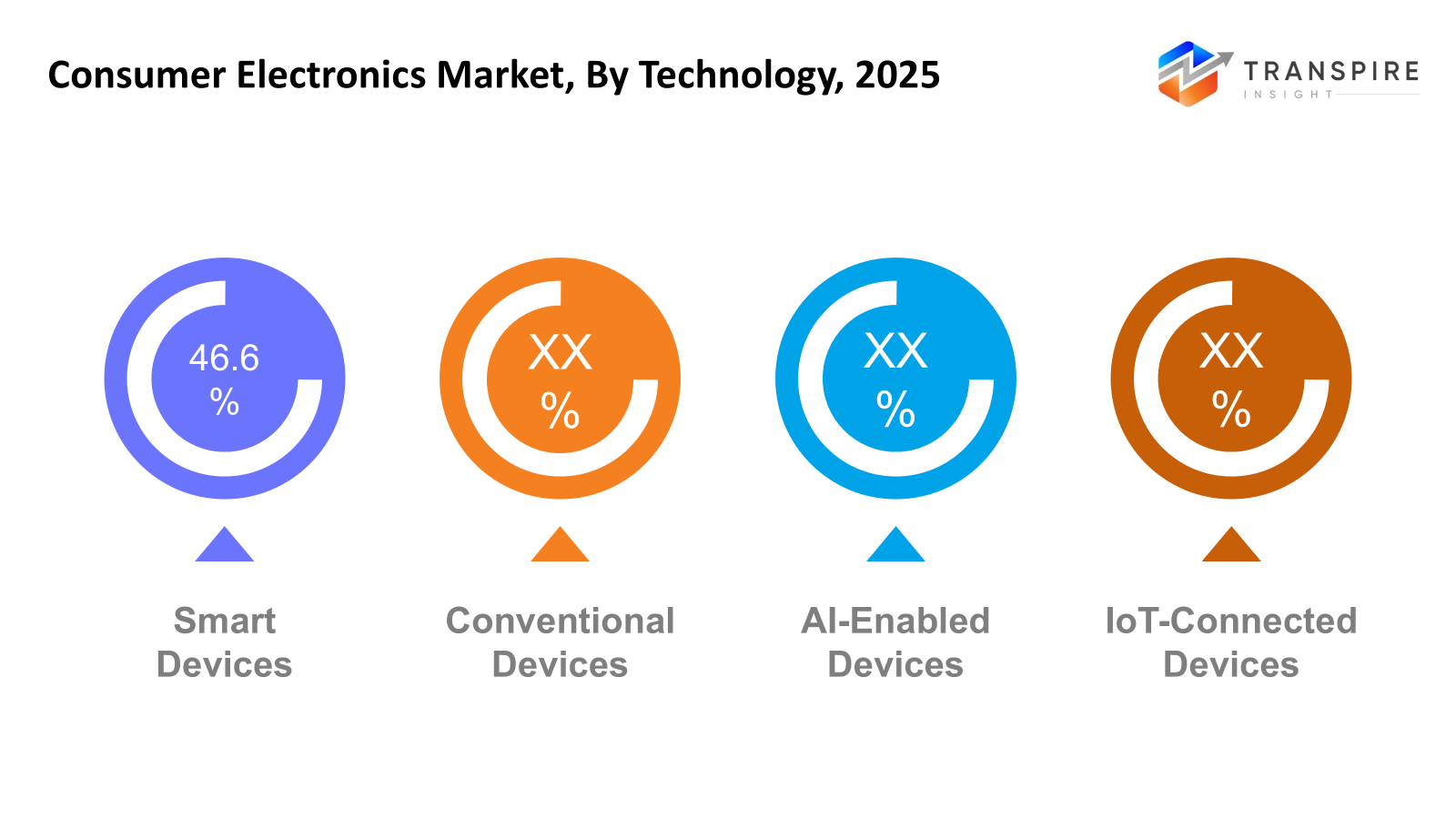
このレポートについて詳しく知る 無料サンプルレポートをダウンロード
配布チャネルによる
- オンライン小売
オンライン小売事業は、価格、製品の範囲、および自宅の配送の容易さのために大幅に成長しています。 デジタル決済、電子商取引の成長、消費者に直接販売する戦略が高まっています。 これらすべての要因は、オンライン小売の成長に貢献しています。
- オフライン小売店
消費者が製品デモへの関心を示すため、オフライン小売もさまざまな理由で重要性を保持しています。 専門店は、プレミアム商品関連販売を営むにあたり、大切な小売形態やアウトレット品をそのまま残しています。
エンドユーザによる
- 住宅設備
住宅のセグメントは、増加する使い捨て収入、スマートホームシステム、エンターテインメント消費によって燃料化された需要の大部分を占めます。 継続的な製品アップグレードとライフスタイルベースの購買行動シェイプ長期成長。
- コマーシャル
商業需要には、消費者向け電子機器を活用した企業オフィス、ホスピタリティ、小売業界など、運用効率の向上に取り組みます。 これらの要求は、デジタルトランスフォーメーションによって燃料を供給し、ビジネスニーズのための技術に依存して増加しました。
地域の洞察
ユニット状態、カナダ、メキシコを含む北アメリカは、高いレベルの購買力によって駆動される技術観点から高度な市場を定義します。 北米地域では、u.s.s. ドミニッツ、成長はスマートデバイスや小売販売としてカナダとメキシコで見られることができます。 欧州、ドイツ、統一された王国、フランス、スペイン、イタリア、そしてヨーロッパの残りの部分を含むヨーロッパは、エネルギー効率規制の増加と消費者の高品質で環境に優しい電子機器を持っている欲求による安定した市場を示しています。 欧米諸国は東国以上の需要を牽引しています。
アジアパチフィ、日本、中国、オーストラリア、ニュージーランド、南韓国、インド、アジアパチフィに含まれている他、最大かつ最速成長市場で構成されています。 中国・日本は、製造と革新的な技術のグローバルリーダーとして支配人として支配している一方、インド・アジアの太平洋市場は、新しい消費者や技術の普及の観点から高い可能性を秘めています。 ブラジル、アルゼンチン、残りの南アメリカ諸国を含む南アメリカは、都市化による適度な成長傾向を展示し、デジタル技術へのアクセスを改善します。 ブラジルは大手市場であり、アルゼンチンや他の南アメリカ諸国は小売インフラを改善することによって駆動成長傾向を表示します。 中東&アフリカ、サウディ・アラビア、アラブ・エミレーツ、南アフリカ、中央東&アフリカの残りの部分は、都市化、より高い使い捨て収入、およびインターネット接続の分野の改善のために、消費者電子機器の使用と販売の増加傾向を目撃しています。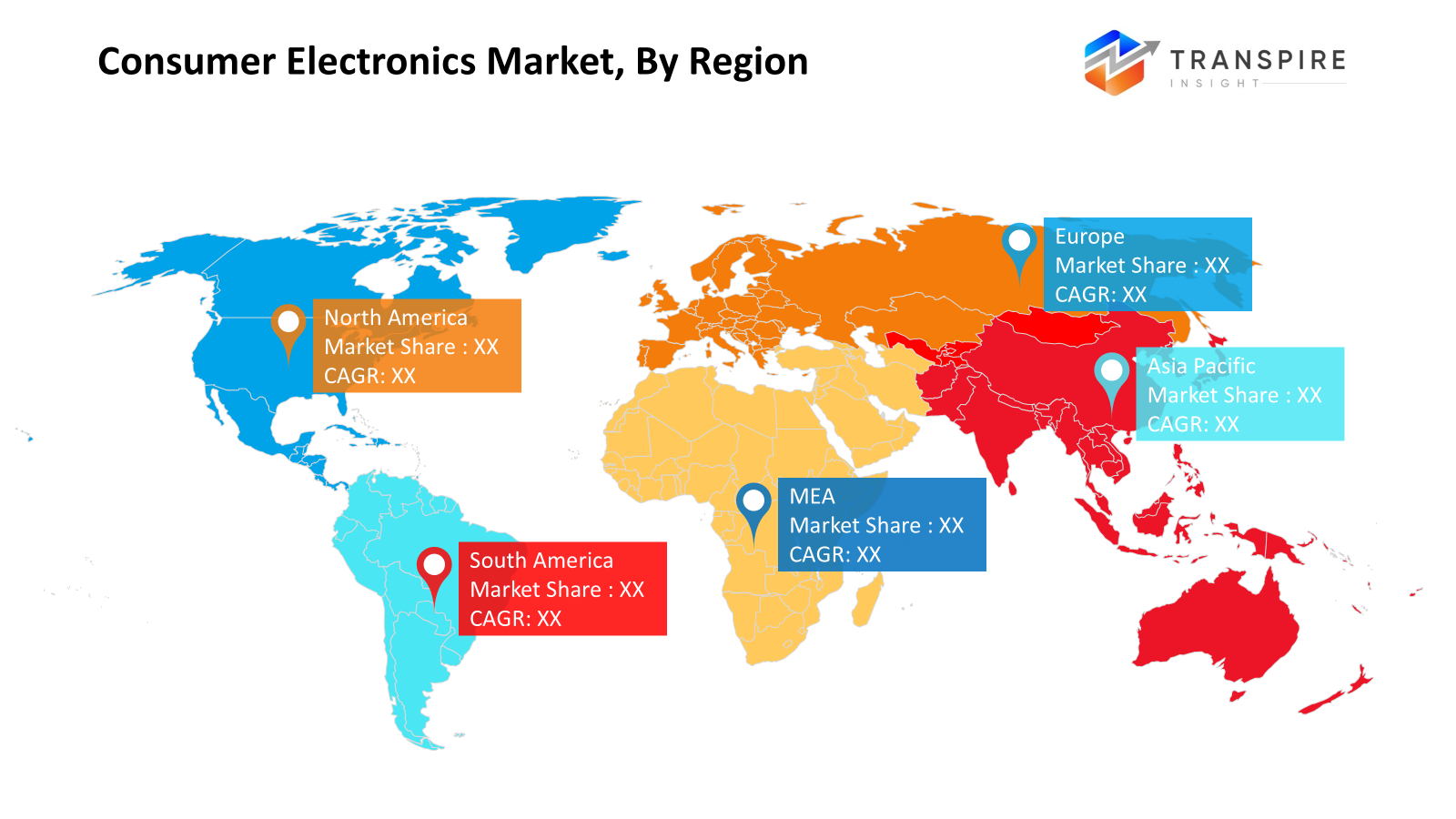
このレポートについて詳しく知る 無料サンプルレポートをダウンロード
最近の開発ニュース
- september 2025の アップルは、iphone 16eの新しいラインの下でiphone 16eの発売を発表しました 16 デバイス, より良いパフォーマンスに焦点を当てます, バッテリーの効率, そして、その最新のa18チップとリンゴの知能機能を含める. iphoneデバイスの新しいラインは、消費者エレクトロニクス市場における業界の価値と優れた性質の継続であり、その革新です。
- かもしれません 2025, samsungは、その銀河s25は、リサイクル賞の設計を授与されていることを発表しました, 消費者デバイスにおける循環電池サプライヤーネットワークとリサイクルコンテンツを使用して、同社の進捗状況を認識. このマークは、製造における円の設計コンセプトや、イノベーションの観点から競争のための大きな力である環境にやさしい製品設計を使用して、持続可能性にますます集中している業界にとって重要なステップです。
(ソース:https://news.samsung.com/in/samsung-galaxy-s25-receives-2025-rema-design-for-recycling-award)
レポートメトリック | インフォメーション |
2025年の市場規模の価値 | 2018年12月1日 |
2026年の市場規模の価値 | 2018年12月1日 |
2033年の収益予測 | 1,900.00億円 |
成長率 | 2026 から 2033 までの 7.00% の cagr |
基礎年 | 2025年 |
過去のデータ | 2021年 – 2024年 |
予測期間 | 2026 - 2033年 |
レポートカバレッジ | 収益予測、競争力のある風景、成長因子、トレンド |
地域規模 | 北アメリカのアメリカ;ヨーロッパ;アジアのpacific;ラテンのアメリカ;中東及びアフリカ |
国の範囲 | 統一された状態;カナダ;メキシコ;統一された王国;ドイツ;フランス;イタリア;スペイン;デンマーク;スウェーデン;ノルウェー;日本;インド;オーストラリア;オーストラリア;タイ;タイ;タイ;ブラジル;アルゼンチン;南アフリカ;サウジアラビア;サウジアラビア;サウジアラビア;サウジアラビア;アラビア;アラブのエミレートを統一 |
プロフィールされる主会社 | samsung電子有限公司、アップル株式会社、ソニーグループ株式会社、LG電子株式会社、パナソニックホールディング株式会社、Xiaomi株式会社、huaweiテクノロジー株式会社、lenovoグループ限定、hp株式会社、dellテクノロジー株式会社、ヘイアールスマートホーム株式会社、tclテクノロジーグループ株式会社、ヒセンスグループ株式会社、アッステックコンピュータ株式会社、マイクロソフト株式会社 |
カスタマイズスコープ | 自由なレポートのカスタム化(国、地域及び区分の規模)。 あなたの厳密な調査の必要性を満たすために便利なカスタマイズされた購入の選択。 |
レポートセグメンテーション | 製品の種類(スマートフォン、テレビ、ラップトップ、コンピュータ、タブレット、オーディオ&ビデオデバイス、カメラ&イメージングデバイス、ウェアラブル電子機器、ゲーム機、家電製品、その他)、技術(スマートデバイス、慣習機器、アイエンブルデバイス、i-接続デバイス)、流通チャネル(オンライン小売、オフライン小売)、エンドユーザー(住宅、商用) |
主要な消費者のエレクトロニクス企業インサイト
アップル社は、エコシステムビジネスモデルの戦略的アプローチにより、エレクトロニクス業界における競争上の優位性を高めています。ソフトウェアとサービスは、そのデバイスを補完します。 アップルは、歴史的にプレミアムプライシングと電子市場で革新者として位置し、その利益率を維持している顧客ロイヤルティで例外的な成功を達成しました。 スマートフォン、コンピュータ、タブレット、ウェアラブルなど、さまざまなデバイスで、相互運用性とタイムリーなソフトウェア更新の利点をお楽しみください。 アップルは、特に先進国で、世界的なエレクトロニクス市場で優れた小売および流通フットプリントを達成しました。 アップルは、市場で技術的に差別化されたまま、半導体技術とユーザーエクスペリエンスに戦略的な投資をしました。
キーキー 消費者エレクトロニクス企業:
- samsungの電子工学Co.、株式会社。
- アップル株式会社
- ソニーグループ株式会社
- 株式会社LG電子
- 株式会社パナソニックホールディングス
- 株式会社キアオミ
- huaweiの技術Co.、株式会社。
- lenovoグループ限定
- パワー株式会社
- 株式会社デルテクノロジー
- ハイヤースマートホーム株式会社
- tcl技術グループ株式会社
- 株式会社ヒセンスグループ
- 株式会社アステックコンピュータ
- マイクロソフト株式会社
グローバルコンシューマー電子市場レポートセグメンテーション
製品タイプ別
- スマートフォン
- テレビ
- ノートパソコン・パソコン
- タブレット
- オーディオ&ビデオデバイス
- カメラとイメージングデバイス
- ウェアラブルエレクトロニクス
- ゲームコンソール
- 家電製品
- その他
テクノロジー
- スマートデバイス
- 従来の装置
- ai 対応機器
- 接続デバイス
配布チャネルによる
- オンライン小売
- オフライン小売店
エンドユーザによる
- 住宅設備
- コマーシャル
地域展望
- 北アメリカ
- 結合された州
- カンダ
- メキシコ
- ヨーロッパ
- ドイツ人
- 統一された王国
- エントランス
- スパイン
- イタリア
- ヨーロッパの残りの部分
- アジア pacific
- ジャパン
- 中国の
- オーストラリア&ニュージーランド
- 南韓国
- インド
- 残りのアジアのpacific
- 南アメリカ
- ブラジル
- アルゼンチン
- 南アメリカ残り
- 中東&アフリカ
- サウジアラビア
- アラブエミレーション
- 南アフリカ
- 中東とアフリカの残りの部分
よくある質問
よくある質問への素早い回答をご覧ください。
市場規模は、約1,900.00億2033億米ドルとなります.
製品の種類(スマートフォン、テレビ、ラップトップ、コンピュータ、タブレット、オーディオ&ビデオデバイス、カメラ&イメージングデバイス、ウェアラブル電子機器、ゲーム機、家電製品、その他)、技術(スマートデバイス、慣習機器、アイエンブルデバイス、iot-connectedデバイス)、流通チャネル(オンライン小売、オフライン小売)およびエンドユーザー(レジデンシャル、コマーシャル)による、消費者エレクトロニクス市場の主要なセグメント.
主要な消費者用電子機器市場プレイヤーは、サムスン電子株式会社、アップル株式会社、ソニーグループ株式会社、lg電子株式会社です.
北部のアメリカ地域は、消費者エレクトロニクス市場をリードする.
消費者エレクトロニクス市場は7.00%です.
- samsungの電子工学Co.、株式会社。
- アップル株式会社
- ソニーグループ株式会社
- 株式会社LG電子
- 株式会社パナソニックホールディングス
- 株式会社キアオミ
- huaweiの技術Co.、株式会社。
- lenovoグループ限定
- パワー株式会社
- 株式会社デルテクノロジー
- ハイヤースマートホーム株式会社
- tcl技術グループ株式会社
- 株式会社ヒセンスグループ
- 株式会社アステックコンピュータ
- マイクロソフト株式会社
最近発行されたレポート
-
Apr 2026
繊維光学の面板の市場
繊維光学はタイプ(<300のmm2、300-350のmm2および> 350のmm2によって、適用(夜間視界、レーザー光線写真のイメージ投射、医学および他の)による市場規模、共有及び分析のレポートを、および地理学(北のアメリカ、ヨーロッパ、アジアpacific、中東およびアフリカ、南および中央アメリカ)、2021 - 2031年
-
Apr 2026
高温超伝導体市場
高温超伝導体市場規模, シェア & タイプの分析レポート (1g hts, と 2g hts), アプリケーションによって (電源ケーブル, 故障電流リミッター, トランス), 地理 (ノース ・ アメリカ, ユーロピープ, アジアpacific, 中東とアフリカ, 南と中央アメリカ), 2021 - 2031
-
Apr 2026
産業プラグおよびソケット Market
産業プラグおよびソケットのサイズ、タイプ(産業プラグ、産業ソケット)による共有及び分析のレポート、現在の(最高32 A、125 Aの上の125 A)による、保護によって(防塵およびスプラッシュの証拠、防水、耐圧防爆)、エンド ユーザー(ヘビーインダストリーズ、石油およびガス、化学薬品および薬剤、発電、他)および地理学(北アメリカ、ヨーロッパ、アジア・パシフィック、中東およびアフリカ、南北アメリカおよび南北アメリカ、中南北アメリカおよび南北アメリカ)、2021 - 2021 Market
-
Apr 2026
InGaAs Avalanche フォトダイオード市場
ingaas avalancheフォトダイオード市場規模, シェア & タイプの分析レポート (1100 - 1700 nm, そして1000 - 1600 nm), アプリケーションによって (アンジャイル警告システム, muzzleフラッシュ検出, ウェーハ欠陥検査, レーザー範囲ファインダー, その他), 地理学 (ノース・アメリカ, ユーロピー, アジアpacific, 中東とアフリカ, 南と中央アフリカ), 2021 - 2031