
Sintesi del mercato
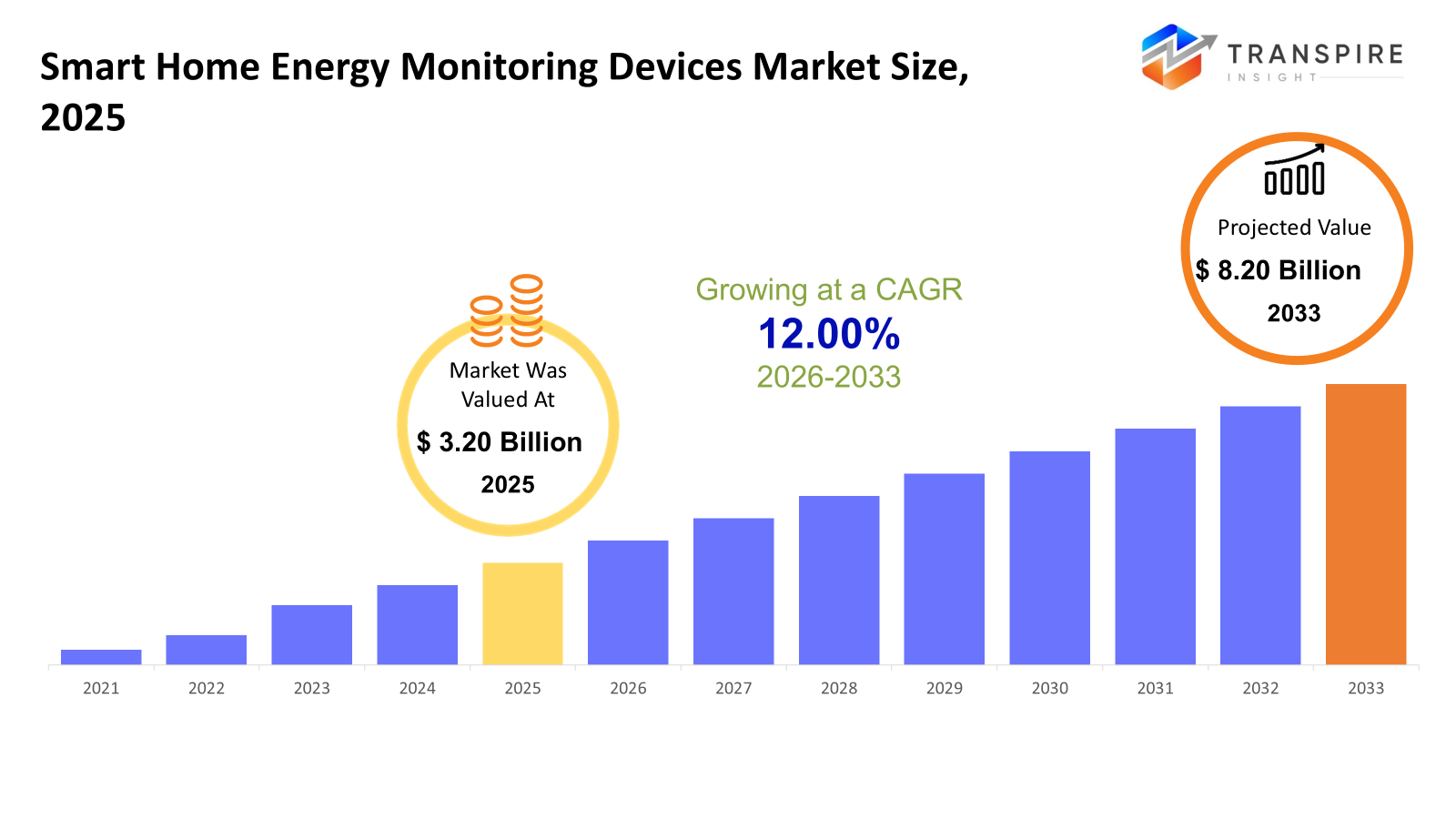
La dimensione globale del mercato dei dispositivi di monitoraggio dell'energia smart home è stata stimata in 3,20 miliardi di dollari nel 2025 ed è prevista per raggiungere 8,20 miliardi di dollari entro il 2033, con una crescita del 12.00% dal 2026 al 2033. la crescita del mercato del cagr è assistita dal crescente costo dell'elettricità e dal crescente interesse dei consumatori nell'efficienza energetica, promuovendo così l'uso di dispositivi di monitoraggio che offrono dati di consumo in tempo reale e facilitano un uso efficiente dell'energia.
dimensione del mercato e previsioni
- 2025 dimensione del mercato: usd 3,20 miliardi
- 2033 dimensione del mercato proiettata: usd 8,20 miliardi
- cagr (2026-2033): 12.00%
- Nord America: più grande mercato nel 2026
- asia pacific: mercato in crescita più veloce
per saperne di più su questo rapporto,  scaricare gratuitamente il report del campione
analisi delle tendenze del mercato chiave
- Nord America: la regione sta vivendo una crescita costante, grazie all'adozione matura di case intelligenti, all'enfasi delle normative sul risparmio energetico, e all'elevata penetrazione di digitale digitale infrastrutture, con la tecnologia di monitoraggio dell'energia promossa dalle utility per facilitare le iniziative di risposta alla domanda.
- il mercato negli Stati Uniti sta vivendo un'adozione significativa, grazie all'avanzata distribuzione delle griglie intelligenti, all'aumento dei costi dell'elettricità e alla consapevolezza tra i consumatori sull'ottimizzazione dell'energia, incoraggiando così l'integrazione dei dispositivi di monitoraggio dell'energia con soluzioni di automazione domestica e soluzioni energetiche rinnovabili per una migliore gestione dell'energia.
- il mercato asia pacifico sta vivendo una crescita significativa, grazie all'urbanizzazione, alla crescente domanda di energia elettrica e all'adozione di case intelligenti, sostenute dagli investimenti in infrastrutture digitali e dall'integrazione di energia rinnovabile da parte del governo, incoraggiando così l'adozione di soluzioni di monitoraggio energetico nei settori residenziali e di piccole imprese.
- misuratori di energia intelligente continuare ad essere il tipo di dispositivo più popolare, grazie all'enfasi delle utility e dei consumatori sulla misurazione precisa dei consumi e la misurazione dell'energia in tempo reale, consentendo così una fatturazione efficiente, la gestione della domanda e le capacità di interazione della griglia migliorate nell'ambiente emergente dell'energia intelligente.
- la tecnologia wireless porta la strada a causa della semplicità di installazione, scalabilità, e la capacità di lavorare bene in un ambiente domestico intelligente basato su iot, consentendo una comunicazione fluida tra dispositivi e piattaforme con ridotta complessità delle infrastrutture.
- il monitoraggio del consumo di energia elettrica è la principale area di applicazione, in quanto il consumo di energia contribuisce alla maggior parte del consumo di energia in una casa, promuovendo così l'adozione di soluzioni di monitoraggio dei consumi di energia elettrica che aiutano i consumatori a ottimizzare l'utilizzo degli elettrodomestici e ridurre al minimo i rifiuti energetici attraverso l'analisi dei dati.
- Gli utenti finali residenziali formano il driver di domanda chiave nel mercato, in quanto sempre più utenti finali residenziali stanno adottando soluzioni smart home per migliorare l'efficienza energetica, ridurre le bollette elettriche, e soddisfare gli obiettivi di sostenibilità.
così, mercato dei dispositivi di monitoraggio dell'energia domestica intelligente include tecnologie sviluppate per la misurazione, l'analisi e l'ottimizzazione del consumo energetico in ambienti commerciali residenziali e su piccola scala. i dispositivi consentono il monitoraggio in tempo reale di energia elettrica, gas, acqua e consumo di energia rinnovabile, che aiuta a prendere decisioni informate per ottimizzare il consumo energetico e ridurre le spese operative. la crescita del mercato dei dispositivi di monitoraggio dell'energia domestica intelligente è inestricabilmente legata allo sviluppo di sistemi domestici intelligenti e all'adozione di dispositivi intelligenti. I sistemi di monitoraggio dell'energia sono sempre più integrati con sistemi di automazione, che consentono ai consumatori di monitorare e controllare il consumo energetico da remoto e automatizzare le operazioni di risparmio energetico. gli sviluppi nella connettività wireless e nell'analisi dei dati contribuiscono anche al miglioramento della funzionalità e del coinvolgimento del sistema.
aumentare le preoccupazioni per l'ambiente e le politiche di efficienza energetica stanno anche alimentando lo sviluppo del mercato dei dispositivi di monitoraggio dell'energia domestica intelligente, in quanto i consumatori e le aziende energetiche si concentrano sempre più sulla riduzione dei rifiuti energetici e l'ottimizzazione della gestione delle risorse. L'integrazione delle fonti rinnovabili e la produzione di energia distribuita aumenta anche la domanda di sistemi di monitoraggio dell'energia in grado di monitorare i modelli di consumo energetico e ottimizzare l'utilizzo dell'energia in ambienti collegati.
mercato dei dispositivi di monitoraggio dell'energia domestica intelligentesegmentazione
per tipo di dispositivo
- misuratori di energia intelligente
i contatori di energia intelligente sono un segmento di mercato primario che è guidato dalla crescente adozione di infrastrutture di rete intelligente e monitoraggio energetico in tempo reale. la crescente domanda di misurazione accurata del consumo di energia e trasparenza di fatturazione sta anche guidando l'adozione di contatori di energia intelligente.
- spine intelligenti
le prese intelligenti sono utilizzate per il monitoraggio e il controllo dell'energia a livello dell'apparecchio. il mercato è guidato dalla crescente consapevolezza del consumo di energia standby e dall'integrazione di smart plug con sistemi di automazione domestica. il costo-efficacia di smart plugs li rende una soluzione attraente per retrofitting.
- display interni
display in-home sono utilizzati per il monitoraggio del consumo energetico in tempo reale e la conservazione dell'energia comportamentale. il mercato è guidato dal crescente interesse dei consumatori per l'efficienza energetica e la sostenibilità. l'integrazione di display in-home con applicazioni mobili e sistemi di automazione domestica li rende più coinvolgenti.
- termostati intelligenti
i termostati intelligenti stanno trovando popolarità a causa della loro capacità di controllare automaticamente le operazioni di riscaldamento e raffreddamento in base ai modelli di utilizzo e alle informazioni di presenza. il potenziale per il risparmio energetico e la compatibilità con i sistemi hvac sono fattori che garantiscono una forte adozione nel settore residenziale.
- sensori di monitoraggio dell'energia
I sensori di monitoraggio dell'energia vengono applicati per il monitoraggio dettagliato di particolari circuiti o consumi energetici in una struttura domestica o piccola. la domanda di sensori di monitoraggio dell'energia sta aumentando con il numero crescente di risorse energetiche distribuite e sistemi di gestione dell'energia domestica.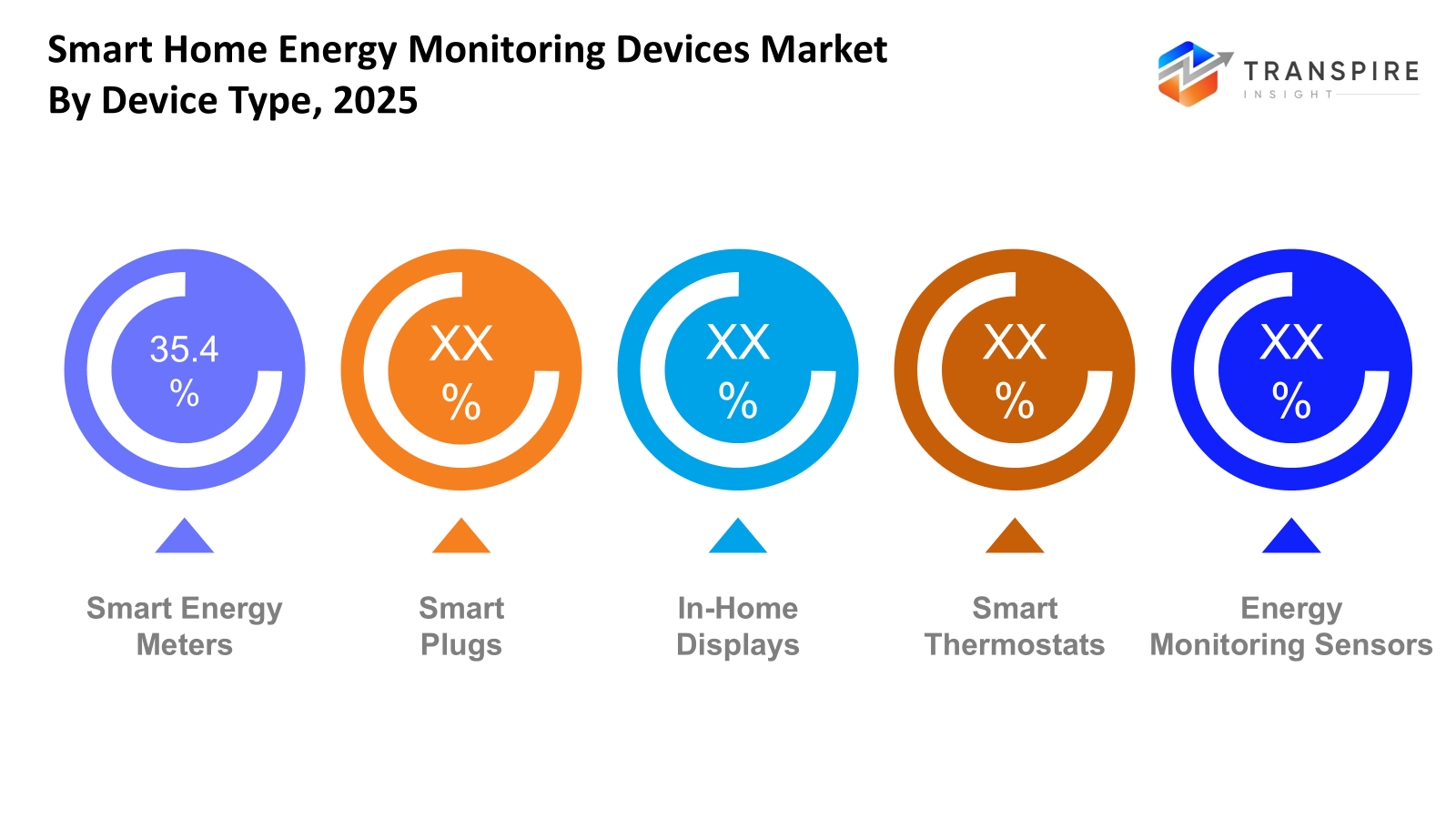
per saperne di più su questo rapporto, scaricare gratuitamente il report del campione
dalla tecnologia
- cablato
il sistema di monitoraggio dell'energia cablata ha comunicazione stabile, alta affidabilità e meno interferenze. è ideale per connessioni permanenti. sistemi di monitoraggio dell'energia cablata sono utilizzati principalmente in nuovi edifici e in un ambiente strutturato di gestione dell'energia in cui una connessione stabile è una priorità. la complessità del processo di installazione potrebbe essere una barriera all'adozione di sistemi di monitoraggio dell'energia cablata in progetti retrofit.
- wireless
la tecnologia wireless è la più utilizzata grazie alla sua facilità di installazione, scalabilità e compatibilità con i sistemi smart home. tecnologie come wi-fi e sistemi di comunicazione a bassa potenza rendono la trasmissione dei dati senza soluzione di continuità. l'uso crescente di dispositivi iot continua a alimentare l'adozione di dispositivi di monitoraggio dell'energia wireless.
per applicazione
- monitoraggio dell'elettricità
la più grande area di applicazione rimane quella del monitoraggio dell'elettricità, dato che il consumo di energia elettrica contribuisce alla maggior parte del consumo energetico complessivo in una famiglia. aumentare i prezzi energetici e la necessità di ottimizzazione dei consumi sono fattori chiave che contribuiscono alla crescita di questa area di applicazione.
- monitoraggio del gas
I dispositivi di monitoraggio del gas sono sempre più impiegati per il monitoraggio dei consumi e una maggiore sicurezza nelle applicazioni commerciali residenziali e su piccola scala. la crescente necessità di conservazione dell'energia e il rispetto dei regolamenti supporta l'adozione di dispositivi di monitoraggio del gas.
- monitoraggio dell'acqua
applicazioni di monitoraggio dell'acqua stanno acquisendo trazione a causa della crescente necessità di conservazione e gestione dell'acqua. dispositivi di monitoraggio intelligenti consentono di rilevare perdite e modelli di consumo da ottimizzare. Le iniziative di sostenibilità e la crescente necessità di gestione delle risorse contribuiscono all'adozione di applicazioni di monitoraggio delle acque.
- monitoraggio dell’energia solare e rinnovabile
il sistema di monitoraggio dell'energia solare e rinnovabile sta crescendo in tandem con impianti solari residenziali. questi dispositivi consentono agli utenti di monitorare la generazione, il consumo e l'interazione con la rete in tempo reale. questo è dovuto al crescente utilizzo di fonti energetiche rinnovabili e la necessità di ottimizzare le prestazioni.
dall'utente finale
- residenziale residenziale residenziale residenziale
il mercato residenziale porta a causa della diffusa accettazione di soluzioni smart home e della crescente consapevolezza dell'efficienza energetica tra i consumatori residenziali. aumento dei costi dell'elettricità e la disponibilità di sovvenzioni governative per l'adozione di soluzioni a basso consumo energetico.
- piccole e medie imprese
piccole e medie imprese utilizzano soluzioni di monitoraggio dell'energia per controllare le spese operative e ottimizzare l'efficienza energetica. l'attenzione crescente sul reporting della sostenibilità e l'ottimizzazione dell'energia alimenta l'adozione. la soluzione aiuta offrendo approfondimenti senza la necessità di soluzioni di gestione dell'energia industriale su larga scala.
approfondimenti regionali
da un punto di vista geografico, l'America del nord è stato un leader nell'adottare la tecnologia della rete intelligente e ha un'alta consapevolezza dei consumatori, con gli stati uniti, canada e mexico sono i principali contributori. europe è il secondo grande mercato con politiche normative robuste, soprattutto in Germania, Regno Unito, Francia, Spagna, Italia, e il resto dell'Europa, dove i mandati di efficienza energetica guidano l'adozione della tecnologia di monitoraggio. il mercato asia pacifico è la regione geografica più rapida crescita, soprattutto in Giappone, Cina, Australia & nuova zealand, Corea del Sud, india, e il resto di asia pacifico, guidato dalla crescente popolazione urbana e sviluppo delle infrastrutture. l'aumento delle fonti energetiche rinnovabili e dei progetti smart city ha alimentato l'adozione della tecnologia di monitoraggio nel settore residenziale. il mercato sudamericano sta crescendo ad un ritmo costante, soprattutto in brazil e argentina, dove la volatilità dei costi energetici e lo sviluppo delle infrastrutture di utilità sono i principali driver. il mercato medio-orientale e africa, tra cui saudi arabia, gli emirati arabe uniti, africa sud, e il resto del Medio Oriente e africa, sta sperimentando una domanda nascente, soprattutto a causa di iniziative smart city, piani di diversificazione energetica, e crescenti investimenti in soluzioni di gestione dell'energia digitale.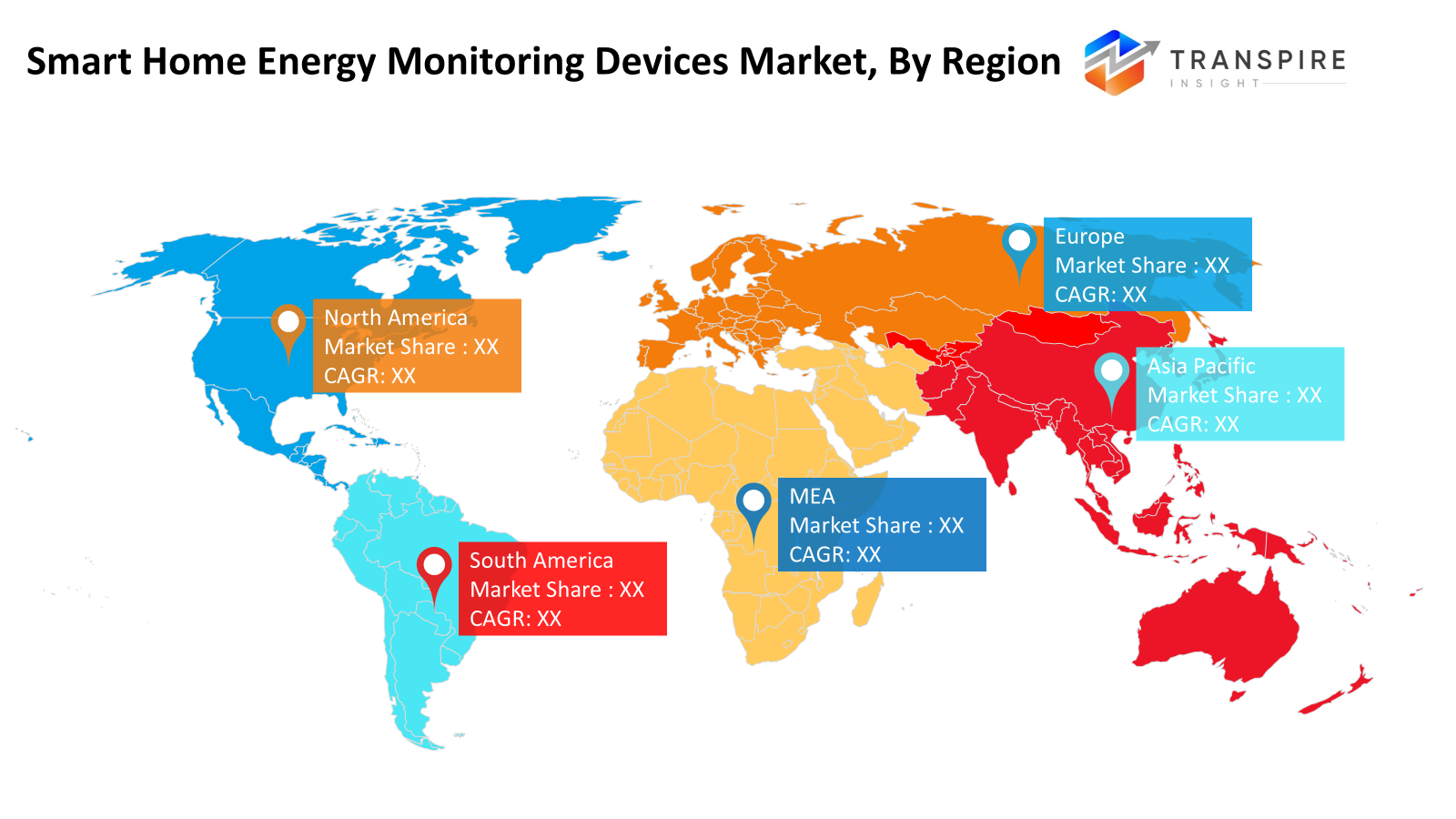
per saperne di più su questo rapporto, scaricare gratuitamente il report del campione
notizie recenti sullo sviluppo
- ottobre 2025, enfatizzare l'energia ha migliorato le sue soluzioni di gestione dell'energia iq incorporando la gestione intelligente dei riscaldatori ad acqua nella sua soluzione energetica domestica. Questa innovazione consente ai proprietari di casa di gestire efficacemente il loro utilizzo energetico integrando la produzione solare, batterie, carica ev e carichi di riscaldamento utilizzando soluzioni di gestione energetica ai-based.
- in settembre 2024, schneider elettrico ha lanciato una funzione ai-driven nella sua soluzione casa più saggia, che consente il monitoraggio dell'energia predittiva e l'ottimizzazione automatica dei carichi energetici principali in una casa, come riscaldatori ad acqua e stazioni di ricarica ev. questa tecnologia migliora l'accuratezza del monitoraggio dell'energia e consente anche alle case di risparmiare sulle bollette dell'elettricità.
report metriche | dettagli |
valore dimensione del mercato in 2025 | usd 3,20 miliardi |
valore dimensione del mercato in 2026 | usd 3,70 miliardi |
previsione delle entrate nel 2033 | usd 8,20 miliardi |
tasso di crescita | da 2026 a 2033 |
anno di base | 2025 |
dati storici | 2021 – 2024 |
periodo di previsione | 2026 – 2033 |
copertura report | previsione delle entrate, paesaggio competitivo, fattori di crescita e tendenze |
Ambito regionale | America settentrionale; europe; asia pacifico; America latina; Medio Oriente e africa |
Campo d'applicazione | Stati uniti; canada; mexico; regno unito; germania; france; italy; spagna; denmark; sweden; norway; Cina; giappone; india; australia; Corea del Sud; Tailandia; brasile; argentina; africa meridionale; saudi arabia; emirati arabe uniti |
azienda chiave profilata | schneider elettrico se, siemens ag, Honeywell international inc., abb ltd., mangiareon corporation plc, general electric company, enphase energy, inc., sense labs, inc., emporia energy, inc., smappee nv, leviton manufacturing co., inc., belkin international, inc., panasgy Corporation, lg electronic lands group. |
campo di personalizzazione | personalizzazione del rapporto libero (paese, area regionale e segmento). avvalersi di opzioni di acquisto personalizzate per soddisfare le vostre esigenze di ricerca esatte. |
relazione segmentazione | per tipo di dispositivo (smart energy meter, smart plugs, display interni, termostati intelligenti, sensori di monitoraggio energetico), per tecnologia (wired, wireless), per applicazione (controllo elettrico, monitoraggio del gas, monitoraggio dell'acqua, monitoraggio dell'energia solare e rinnovabile) e per utente finale (residential, piccole e medie imprese) |
chiave intelligente casa dispositivi di monitoraggio dell'energia informazioni aziendali
schneider elettrico se ha un robusto vantaggio competitivo nel mercato dei dispositivi di monitoraggio dell'energia domestica intelligente a causa della sua soluzione completa di gestione dell'energia che comprende hardware, software e piattaforme di automazione. L’approccio dell’azienda al mercato è focalizzato sulla compatibilità con le soluzioni rinnovabili di energia, i pannelli intelligenti e gli elettrodomestici con tecnologia iot, che aiutano nell’ottimizzazione energetica e nelle iniziative di sostenibilità. Schneider elettrico si concentra costantemente sulle soluzioni di energia digitale e analisi ai-driven aiuta nella differenziazione dei prodotti, soprattutto nelle soluzioni di monitoraggio energetico residenziale. la sua vasta rete di distribuzione in tutto il mondo, insieme ad associazioni con fornitori di energia e società di installazione, aiuta l'azienda a penetrare il mercato ampiamente e lo rende un grande giocatore nel mercato dei dispositivi di monitoraggio dell'energia domestica intelligente.
chiave smart home dispositivi di monitoraggio energetico aziende:
- schneider elettrico se
- ag
- Inc internazionale Honeywell.
- Abb ltd.
- Mangiare su società plc
- società elettrica generale
- enfatizzare l'energia, inc.
- laboratori di senso, inc.
- energia emporia, inc.
- # Smappes #
- leviton manufacturing co., inc.
- Belkin International, inc.
- società panasonic
- lg elettronica inc.
- landis+gyr group ag
segmentazione del mercato dei dispositivi di monitoraggio dell'energia domestica intelligente globale
per tipo di dispositivo
- misuratori di energia intelligente
- spine intelligenti
- display interni
- termostati intelligenti
- sensori di monitoraggio dell'energia
dalla tecnologia
- cablato
- wireless
per applicazione
- monitoraggio dell'elettricità
- monitoraggio del gas
- monitoraggio dell'acqua
- monitoraggio dell’energia solare e rinnovabile
dall'utente finale
- residenziale residenziale residenziale residenziale
- piccole e medie imprese
Prospettive regionali
- America settentrionale
- Stati Uniti
- Canada
- Messico
- europa
- Germania
- regno unito
- Franco
- spagna
- #
- riposo dell'Europa
- asia pacifico
- Giappone
- Cina
- australia & new zealand
- Corea del Sud
- India
- riposo di asia pacifico
- America del sud
- Brazil
- Argentina
- resto dell'America del Sud
- centro est e africa
- saudi arabia
- emirati arabe uniti
- Sud Africa
- riposo del Medio Oriente & africa
Domande frequenti
Trova risposte rapide alle domande più comuni.
la dimensione approssimativa del mercato dei dispositivi di monitoraggio dell'energia domestica intelligente per il mercato sarà usd 8,20 miliardi nel 2033.
segmenti chiave per il mercato dei dispositivi di monitoraggio dell'energia domestica intelligente per tipo di dispositivo (metri di energia intelligente, spine intelligenti, display interni, termostati intelligenti, sensori di monitoraggio dell'energia), per tecnologia (wired, wireless), per applicazione (controllo dell'elettricità, monitoraggio del gas, monitoraggio dell'acqua, monitoraggio dell'energia solare e rinnovabile) e per utente finale (residential, piccole e medie imprese).
i principali dispositivi di monitoraggio dell'energia domestica intelligente i giocatori di mercato sono schneider elettrici se, siemens ag, honeywell international inc., abb ltd., enphase energy, inc.
la regione nord america sta conducendo il mercato dei dispositivi di monitoraggio dell'energia domestica intelligente.
il sig.
- schneider elettrico se
- ag
- Inc internazionale Honeywell.
- Abb ltd.
- Mangiare su società plc
- società elettrica generale
- enfatizzare l'energia, inc.
- laboratori di senso, inc.
- energia emporia, inc.
- # Smappes #
- leviton manufacturing co., inc.
- Belkin International, inc.
- società panasonic
- lg elettronica inc.
- landis+gyr group ag
Rapporti pubblicati di recente
-
Apr 2026
Mercato dei filtri di potenza attiva
dimensione del mercato del filtro di potenza attiva, rapporto di condivisione e analisi per tipo (filtri di potenza attivi, filtro di potenza attivo serie, filtro di potenza attivo ibrido), per applicazione ( mitigazione armonica, compensazione della potenza reattiva, regolazione della tensione, correzione del fattore di potenza), per fase (fase singola, tre fasi), per l'industria dell'utente finale (manufacturing, sanità, commerciale, automobilistico, petrolio e gas, altri), e geografia (nord america, europea, af
-
Apr 2026
Mercato dei trasformatori elettrici
dimensione del mercato del trasformatore elettrico, rapporto di condivisione e analisi per core (chiuso, guscio e bacca), isolante (gas, olio, solido, aria e altro), per fase (singolo e tre), per valutazione (100 mva a 500 mva, 501 mva a 800 mva, e 801 mva a 1200 mva), e geografia (nord america, europe, asia-pacific, medio oriente e af
-
Apr 2026
Mercato pompe a pistone idrauliche
pompe a pistone idrauliche dimensioni del mercato, rapporto di condivisione e analisi per tipo (pompe a pistone assiale, pompe a pistone radiali), per pressione operativa (bassa pressione, media pressione, alta pressione), per applicazione (costruzione, estrazione mineraria, agricoltura, automobilistico, petrolio e gas, macchinari industriali, altri), per end-user (oems, aftermarket), e geografia (north america, europe, asia-pacific, asia-pacific, medio oriente e africa 2031
-
Apr 2026
Mercato dei generatori di gas di laboratorio
generatore di gas di laboratorio dimensione del mercato, rapporto di condivisione e analisi per prodotto (generatore di gas di azoto, generatore di gas di idrogeno, generatore di gas di scarico, generatori di gas toc, altri), per applicazione (cromatografia di gas, spettrometria di cromatografia liquida-massa (lc-americam), analizzatori di gas, altri), per utente finale (scienza di vita, chimica & petrolchimica, cibo e bevande, altri), e geografia media