
Marktübersicht
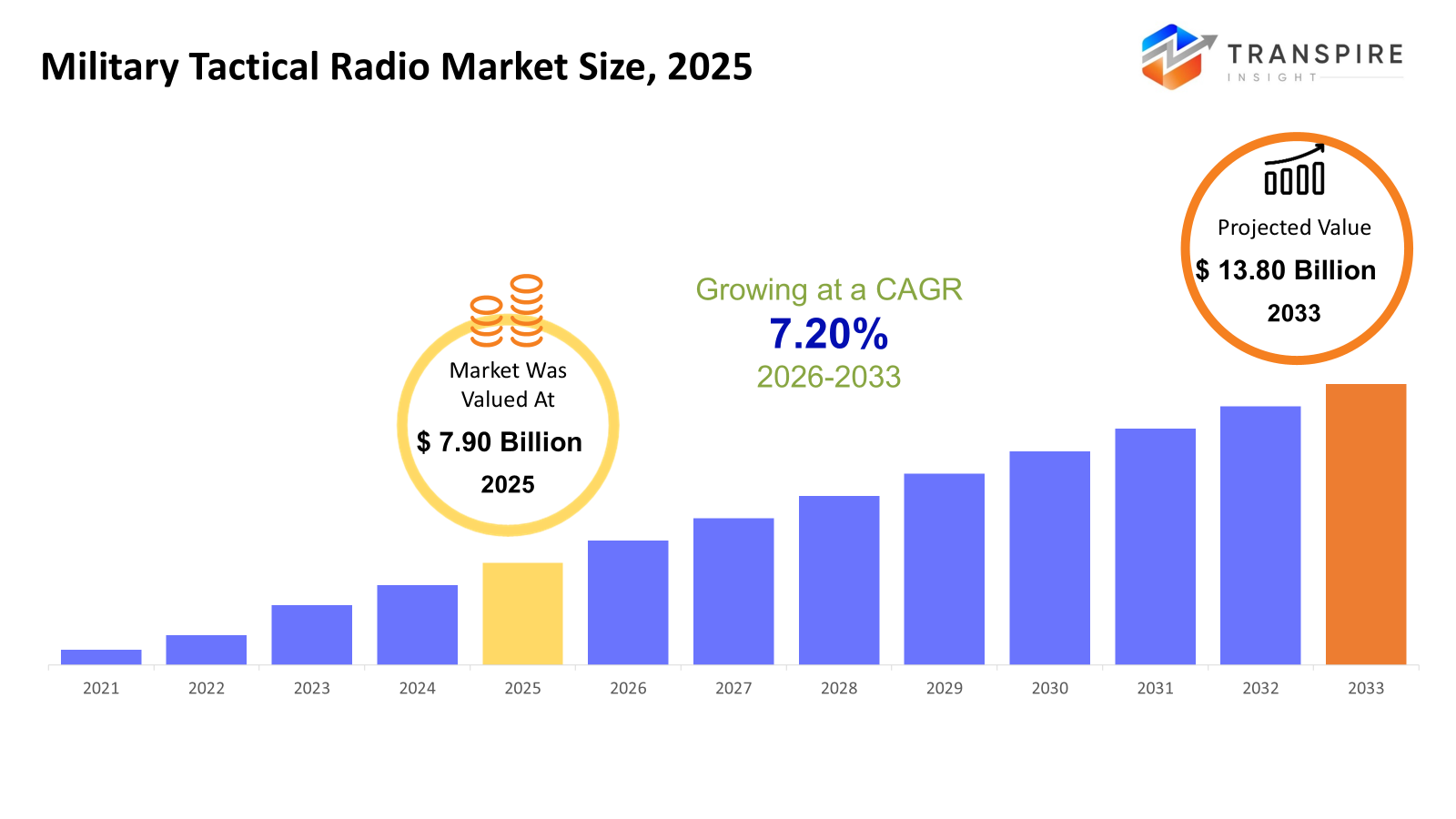
Die weltweite militärische taktische Radiomarktgröße wurde 2025 bei uns 7,90 Milliarden geschätzt und wird bis 2033 13,80 Milliarden erreicht, was von 2026 bis 2033 bei einem cagr von 7,20% wächst. der militärische taktische Radiomarkt zeigt ein stetiges Wachstum in Bezug auf Kagr, das durch den Anstieg der Modernisierungsprogramme im Verteidigungssektor und den zunehmenden Einsatz von sdr und digitalen technologiebasierten Radios getrieben wird. die Eskalation geopolitischer Spannungen und Grenzsicherheit hat zum Kauf von tragbareren und fahrzeugbasierten Kommunikationssystemen geführt. die Entwicklung von Technologie in Sdr-, Verschlüsselungs- und Mehrbandsystemen hat die Interoperabilität der Kräfte verbessert und damit die Nachfrage erhöht. Der Anstieg der neuen Märkte in den Schwellenländern, in denen der Verteidigungshaushalt zunimmt, ist ein positiver Faktor für das Wachstum des Marktes.
Marktgröße und Prognose
- 2025 Marktgröße: benutzt 7,90 Milliarden
- 2033 projizierte Marktgröße: US 13,80 Milliarden
- cagr (2026-2033): 7,20%
- Nordamerika: größter Markt im Jahr 2026
- asia pacific: am schnellsten wachsender Markt
mehr über diesen Bericht erfahren,  kostenlos herunterladen
Analyse der Markttendenzen
- Nord-Amerika ist ein führender Anbieter von taktischen Radio-Adoptionen, mit fortschrittlicher Verteidigungsinfrastruktur und Investitionen in sdr und digital Funktechnologien von Armee-, Marine- und Luftwaffenabteilungen, die die Einführung taktischer Funksysteme in der Region vorantreiben.
- vereinte Staaten erleben einen Anstieg der Nachfrage nach handgehaltenen, manpack und fahrzeuggebundenen taktischen Radios, integriert mit Mehrband- und sicheren Kommunikationstechnologien, einen Schritt hin zu einer strategischen netzzentrischen Kriegslehre und eine Interoperabilität in verschiedenen Abteilungen der militärischen Kraft.
- asia pacific ist Zeuge eines robusten Wachstums, der durch die Erhöhung der Verteidigungsausgaben, die Modernisierung von Armee, Marine und Luftwaffe Divisionen, die Annahme von ähf und vhf Funktechnologien, die zunehmende Annahme von sdr, und digitale Kommunikationstechnologien angetrieben wird.
- Hochfrequenz-Funktechnologien werden für die langfristige militärische Kommunikation bevorzugt, während Software-definierte Funktechnologien für mehrbandige und sichere Operationen übernommen werden.
- Handfunkgeräte erleben einen steigenden Bedarf, mit den Streitkräften, die sich auf Mobilität, Leichtbau und schnelle Bereitstellungs- und Technologieupdates konzentrieren, die Funktionen wie sichere Kommunikation, verbesserte Akkulaufzeit und Integration mit Soldatmodernisierungsprogrammen zur Verbesserung des Bewusstseins und der Flexibilität bieten.
- Software-definierte Funkgeräte sind zum größten Technologietrend geworden, mit Funktionen wie Anpassungsfähigkeit, Multiband-Unterstützung und der Fähigkeit, sich ändernde Kommunikationsprotokollanforderungen zu erfüllen, so dass die Streitkräfte ihre Systeme über Software-Updates aktualisieren und eine sichere und interoperable Kommunikation in komplexen Missionsumgebungen gewährleisten können.
- die Endbenutzer der Armee treiben die Gesamtmarktnachfrage mit Faktoren wie der Forderung nach großräumigen Einsatzgebieten, diversen Missionssszenarien und der Notwendigkeit von tragbaren und fahrzeugintegrierten Kommunikationssystemen zur Unterstützung koordinierter Schlachtfeldausführung, sicherer Kommandostrukturen und verbesserter Effizienz bei der Ausführung.
so, die militärischer taktischer Funkmarkt umfasst Kommunikationssysteme für sichere, zuverlässige und robuste Operationen. das Segment umfasst Hand-, Manpack-, Fahrzeug- und Basisstationsfunksysteme mit hf-, vhf- und ähf-Frequenzbändern. die zunehmenden Modernisierungsinitiativen und die Digitalisierung von Kriegsführungen werden den globalen militärischen taktischen Funkmarkt positiv beeinflussen. Technologien wie softwaredefinierte Funk- und digitale Funktechnologien bieten multifrequente Kommunikation, Datenübertragung und netzwerkzentrische Kriegsführung. die zunehmende Nachfrage nach taktischen Funksystemen durch Armee, Marine, Luftwaffe und Spezialkräfte wird den globalen taktischen Radiomarkt prägen. die zunehmenden geopolitischen Spannungen und die strategischen Kriegsführungen werden die Nachfrage nach taktischen Funksystemen fördern. das taktische Funksegment wird durch die Betonung auf netzzentrierte Kriegsführung, Mobilität und Interoperabilität einen Nachfrageschub erleben, der das Wachstum des globalen taktischen Funkmarktes vorantreiben wird. die aufstrebenden Märkte bieten Möglichkeiten für Verteidigungsunternehmen, ihr taktisches Radioproduktportfolio zu erweitern.
militärischer taktischer FunkmarktSegmentierung
durch Frequenzband
- Hochfrequenz (hf)
hf-Radios werden in der Regel für Fernkommunikation eingesetzt, da sie in der Lage sind, weite Entfernungen abzudecken, die sich auf Hunderte von Kilometern erstrecken, ohne dass Wiederholer benötigt werden. sie werden häufig für strategische militärische Operationen eingesetzt.
- sehr hohe Frequenz (vhf)
vhf-Radios sind die am meisten auf dem Schlachtfeld wegen ihrer klaren und zuverlässigen Leistung für Mittelstrecken-Kommunikation beschäftigt. sie werden häufig von Landkräften für taktische Operationen eingesetzt und sind weniger störend.
- Ultrahochfrequenz (uhf)
ähf Radios werden am besten für Kurzstreckenkommunikationen eingesetzt. sie werden häufig für die Stadtkriegsführung eingesetzt und machen sie zu einer beliebten Wahl für moderne Militäroperationen.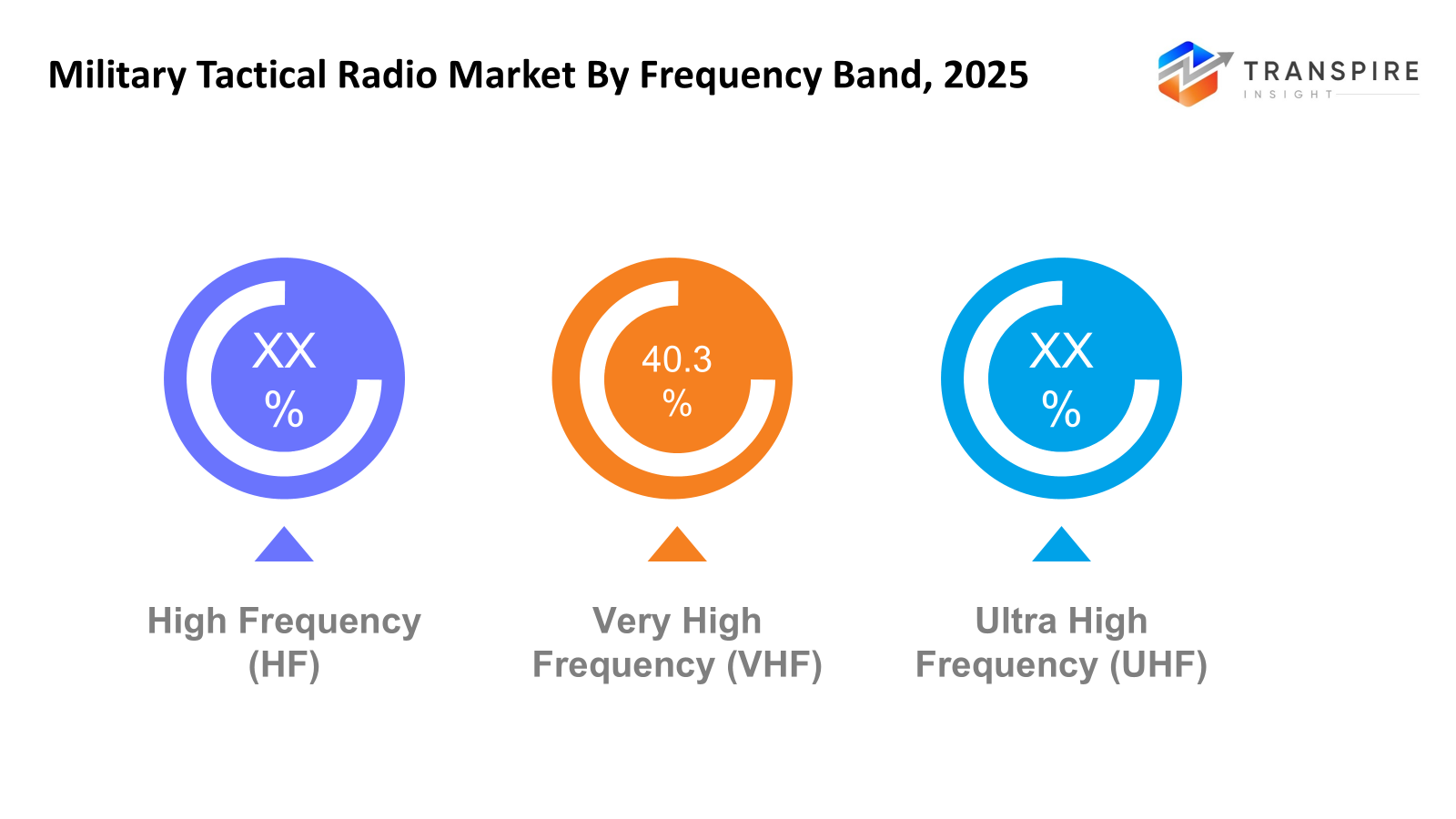
mehr über diesen Bericht erfahren, kostenlos herunterladen
Typ
- Handfunkgeräte
sie sind tragbar, leicht und bieten Echtzeit-Kommunikation für Frontsoldaten. die Vielseitigkeit von Handfunkgeräten, verbunden mit der Kompatibilität mit Headsets oder tragbaren Geräten, sorgt für maximale Effizienz in komplexen Geländen.
- Funkgeräte
sie bieten erweiterte Reichweite Kommunikation während in Bewegung. das montierte Funksystem ist für gepanzerte Fahrzeuge geeignet, die eine Koordination über verschiedene Einheiten mit maximaler Signalstabilität und Integration mit Kommandozentralen ermöglichen.
- Manpack Radios
sie bieten eine Balance von Portabilität und Übertragungsleistung, so dass sie für mobile Operationen in einer Vielzahl von Betriebsbereichen geeignet. das Manpack-Radiosystem überbrückt die Lücke zwischen handgehaltenen und fahrzeuggebundenen Funksystemen und gewährleistet maximale Effizienz und Ausdauer in komplexen Umgebungen.
- Funkanlagen
das Basisstationsfunksystem bietet eine robuste Lösung für Kommandozentralen, die maximale Sicherheit und Stabilität in der Kommunikation mit taktischen Einheiten gewährleistet. das System ist für die Koordination von Multi-unit-Betrieben, die Integration verschiedener Kommunikationskanäle und die Gewährleistung einer maximalen Effizienz unerlässlich.
durch Technologie
- Software definiertes Radio (sdr)
sdrs sind sehr anpassungsfähig, mit der Fähigkeit, Frequenzen und Kommunikationsprotokolle schnell zu ändern. ihr softwarebasiertes System ermöglicht verschlüsselte, mehrbandige und multimode Kommunikation, was es im modernen, netzwerkzentrischen Kriegsführungszenario wesentlich macht.
- Analogfunk
Analogfunkgeräte werden aufgrund ihrer Wirtschaftlichkeit und Benutzerfreundlichkeit eingesetzt. sie sind für einfache Sprachkommunikation in etablierten Netzwerken wirksam, sind aber nicht so effektiv wie digital oder sdrs, insbesondere in den Bereichen Flexibilität und Sicherheit.
- Digitales Radio
digitale Funkgeräte werden aufgrund der Notwendigkeit einer besseren Sprachverständlichkeit und der Möglichkeit, Daten zu übertragen, sowie der im modernen Schlachtfeld-Szenario geforderten Sicherheit immer beliebter.
von Endbenutzer
- Armee
die Armee ist die höchste in Bezug auf den Verbrauch von taktischen Radios, mit verschiedenen Varianten für verschiedene Zwecke verwendet, einschließlich Hand-, Manpack- und Fahrzeugradios.
- Navy
die taktischen Funkgeräte, die von den Schiffskräften verwendet werden, werden für Schiffs-zu-Schiff-, Schiffs-zu-Strand- und Schiffs-zu-Amphibien-Operationen verwendet. die am häufigsten verwendeten taktischen Radios in den Marinekräften sind die Vhf- und ähf-Varianten, die für eine sichere und strenge Kommunikation verwendet werden.
- Luftkraft
die in den Luftkräften verwendeten taktischen Funken sind leichte, hochfrequente und langwierige Varianten, wobei die sichere Kommunikation der Hauptaspekt ist.
- Spezialkräfte
die von den Sonderkräften verwendeten taktischen Funkgeräte sind kompakte, hochfeste und mehrbandige Varianten, wobei sdr und digitale Varianten für hochsichere und verdeckte Operationen verwendet werden.
regionale Erkenntnisse
Nord-Amerika, einschließlich uns, Canada und mexico, ist der größte Markt, angesichts seiner hohen Verteidigung Ausgaben, Technologie Adoption und Modernisierung Programme. europe, einschließlich germany, uk, france, spain, italy und der rest von europe, konzentriert sich auf Interoperabilität, sdr Adoption und digitale taktische Lösungen. Diese werden in erster Linie von nato Standards angetrieben. asia pacific, einschließlich japan, china, australia & neue zealand, südlich korea, india, und der rest von asia pacific, zeigt einen hohen Wachstumsmarkt mit zunehmenden Verteidigungsausgaben, Modernisierung von Armeen, und Annahme von vhf/uhf-Technologie für Land- und Marinekräfte. Süd-Amerika, einschließlich brazil, argentina und der Rest von Süd-Amerika, bewegt sich allmählich in Richtung Modernisierung, ersetzt analoge Technologie durch selektive digitale und sdr-Technologie. die Region wird von der Armee Modernisierung dominiert.
mittelost & africa, einschließlich saudi arabia, uae, südlich africa, und der rest mittleren ost & africa, beobachtet zunehmende Nachfrage nach tragbaren und fahrzeuggebundenen Radios, vor allem durch Sicherheitsbedenken entlang von Grenzen und Konflikten angetrieben. tier 1 Länder sind in der Technologie-Adoption voran, während sich die tier 2 Regionen auf eine schrittweise Modernisierung und Integration der digitalen Kommunikationstechnologie konzentrieren.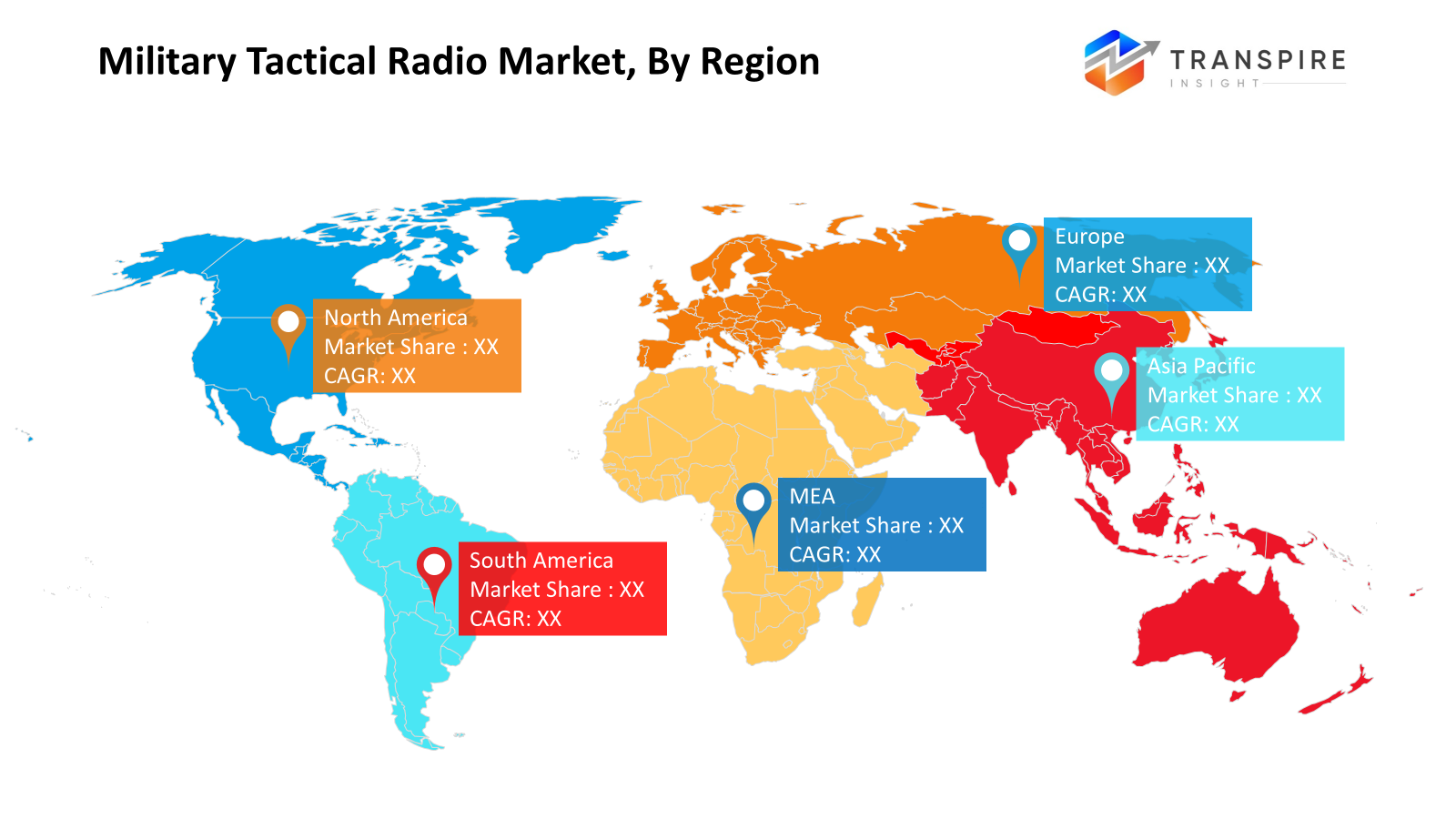
mehr über diesen Bericht erfahren, kostenlos herunterladen
aktuelle Entwicklungsnachrichten
- Dezember 2025, l3harris-Technologien organisierten ein Demo, das unter einer einheitlichen Plattform für Bundesagenturen verschiedene taktische Kommunikationssysteme sowie Gegen-uas-Lösungen und fortschrittliche Bildgebungstechnologie zusammenbrachte. das interoperable Netzwerk ermöglichte es den Agenturen, die Konnektivität verschiedener Systeme und Lösungen zu erfahren, einschließlich des taktischen Datengeräts und 5g Gateway-Radios, wie z.B. der an/prc-158c.
- im Januar 2025, die uns Armee hat fast $300 Millionen vollwertige Produktionsverträge für widerstandsfähige Hand- und Manpack-Radios unter dem hms-Programm mit l3 harris bestellt. die an/prc-158 und an/prc-163 Radios sind so konzipiert, dass sie eine sichere und interoperable Kommunikation von der taktischen Kante zur Luftdomäne bereitstellen, um den Bedürfnissen des heutigen Schlachtfeldes gerecht zu werden.
Bericht Metriken | Details |
Marktgrößenwert 2025 | mit 7,90 Milliarden |
Marktgrößenwert 2026 | benutzer 8,50 Milliarden |
Umsatzprognose 2033 | mit 13,80 Milliarden |
Wachstumsrate | cagr von 7,20% von 2026 bis 2033 |
Basisjahr | 2025 |
historische Daten | 2021 – 2024 |
Vorausschätzungszeitraum | 2026 – 2033 |
Berichterstattung | Umsatzprognose, Wettbewerbslandschaft, Wachstumsfaktoren und Trends |
Regionaler Geltungsbereich | Nord-Amerika; europe; asia pacific; latin america; mittelost & africa |
Länderumfang | vereinigte Staaten; canada; mexico; vereinigtes Königreich; germany; france; italy; spain; denmark; sweden; norway; china; japan; india; australia; Südkorea; thailand; brazil; argentina; Südafrika; saudi arabia; vereinigt arab emirates |
Schlüsselunternehmen Profil | l3harris technologies, thales group, general dynamics Corporation, raytheon technologies, bae systems plc, leonardo s.p.a, Northrop grumman Corporation, rohde & schwarz gmbh & co kg, elbit systems ltd., cobham limited, barrett communication, codan limited, motorola solutions inc, rhein ag, and kongsberg gruppen. |
Anpassungsbereich | freier Bericht Anpassung (Land, Region & Segment Bereich). nutzen Sie kundenspezifische Kaufoptionen, um Ihren genauen Forschungsanforderungen gerecht zu werden. |
Berichtsegmentierung | durch Frequenzband (Hochfrequenz (hf), sehr hohe Frequenz (vhf), ultrahochfrequent (uhf)), nach Typ (Handfunkgeräte, fahrzeuggebundene Funkgeräte, Manpack-Funkgeräte, Basisstationsfunkgeräte), nach Technologie (Software definiertes Radio (sdr), analoges Radio, digitales Funkgerät) und durch Endbenutzer (Armee, Marine, Luftkraft, Spezialkräfte) |
wichtige militärische taktische Funkunternehmen Einblicke
l3harris-Technologien ist ein wichtiger Player im taktischen Funkraum, mit einem Ruf für seine vollständige Palette von hochsicheren, softwaredefinierten taktischen Funkgeräten und Kommunikationssystemen, die von großen Verteidigungskräften auf der ganzen Welt verwendet werden. die etablierte Position des Unternehmens in taktischen und strategischen Kommunikationsmärkten ist ein Ergebnis seines Engagements für Innovation in modularen Funkdesigns und fortschrittlichen Verschlüsselungstechnologien, die einen gemeinsamen Kraftbetrieb ermöglichen. die globale Reichweite des Unternehmens ist auch ein Ergebnis von langfristigen Verträgen, schweren Investitionen in r&d und anpassungsfähige Technologien, die für eine sich ändernde Bedrohungsumgebung entwickelt wurden, und macht l3harris zu einem Lieferanten der Wahl für Modernisierungsprogramme in Nordamerika, Europa und Asien-Pazifik.
Schlüssel militärische taktische Funkunternehmen:
- l3harris Technologien
- thales Gruppe
- General Dynamics Corporation
- Strahlentechnologien
- ba-Systeme plc
- Leonardo s.p.a
- Northrop grumman Corporation
- rohde & schwarz gmbh & co kg
- elbit systems ltd.
- cobham limited
- Barrett-Kommunikation
- kodan begrenzt
- motorola lösungen inc.
- rheinmetall ag
- gruppen
globaler militärischer taktischer Funkmarkt
durch Frequenzband
- Hochfrequenz (hf)
- sehr hohe Frequenz (vhf)
- Ultrahochfrequenz (uhf)
Typ
- Handfunkgeräte
- Funkgeräte
- Manpack Radios
- Funkanlagen
durch Technologie
- Software definiertes Radio (sdr)
- Analogfunk
- Digitales Radio
von Endbenutzer
- Armee
- Navy
- Luftkraft
- Spezialkräfte
Regionalaussichten
- Nordamerika
- vereinigte Staaten
- Canada
- Mexiko
- europe
- Deutschland
- vereinigtes Königreich
- Franken
- Spaten
- Italy
- Rest von europe
- Asia pazifisch
- Japan
- China
- australia & neue zealand
- Südkorea
- indien
- rest von asia pacific
- Südamerika
- Brasilien
- Argentinien
- Rest von Süd-Amerika
- Mittelost & Afrika
- Saudi arabien
- vereinigte arabische Emirate
- Südafrika
- Rest des mittleren Ostens & Afrika
Häufig gestellte Fragen
Finden Sie schnelle Antworten auf die häufigsten Fragen.
die ungefähre militärische taktische radiomarktgröße für den markt wird im jahr 2033 13,80 milliarden betragen.
schlüsselsegmente für den militärischen taktischen funkmarkt durch frequenzband (hochfrequenz (hf), sehr hohe frequenz (vhf), ultrahochfrequenz (uhf)), nach typ (handfunkgeräte, fahrzeuggebundene funkgeräte, manpackfunkgeräte, basisstationsfunkgeräte), nach technologie (software definiert radio (sdr), analogfunk, digitalfunk) und durch endbenutzer (armee, marine, luftkraft, spezialkräfte).
die wichtigsten militärischen taktischen radiomarktspieler sind l3harris technologien, thales group, general dynamics corporation, raytheon technologies, bae systems plc
die nord-amerika-region führt den militärischen taktischen radiomarkt.
der preis des militärischen taktischen radiomarktes beträgt 7,20%.
- l3harris Technologien
- thales Gruppe
- General Dynamics Corporation
- Strahlentechnologien
- ba-Systeme plc
- Leonardo s.p.a
- Northrop grumman Corporation
- rohde & schwarz gmbh & co kg
- elbit systems ltd.
- cobham limited
- Barrett-Kommunikation
- kodan begrenzt
- motorola lösungen inc.
- rheinmetall ag
- gruppen
Zuletzt veröffentlichte Berichte
-
Apr 2026
Markt für Luft- und Raumfahrtfluorpolymere
luft- und raumfahrt-fluorpolymere marktgröße, aktien- und analysebericht nach typ (ptfe, fep, pfa, etfe, and other), durch anwendung (elektrische isolierung, dichtungen & dichtungen, beschichtungen und andere), durch endverbraucher (kommerzielle luftfahrt, militärische luftfahrt, allgemeine luftfahrt, und andere), und geographie (nordamerika, europe, asia-pacific, mittelost und africa)
-
Apr 2026
Markt für Airborne SATCOM System
airborne satcom system market size, share & analysis report by type (satcom terminals, transceivers, airborne radio, modems and routers, satcom radomes, and other), by application (regierung und verteidigung und kommerzielle), and geography (north america, europe, asia-pacific, mid east and africa, south and central america), 2021 – 2031
-
Apr 2026
Markt für Schiff Leasing
schiff leasing marktgröße, aktien- und analysebericht nach schiffstyp (containerschiffe, großtransporter, tanker und spezialschiffe), leasingdauer (kurzfristiger leasingvertrag (weniger als 1 jahr), mittelfristiger leasing (1-5 jahre) und langfristige leasing (mehr als 5 jahre)), leasingart (werbebootcharter, zeitcharter, finanzleasing und andere), durch endverbraucherindustrie (öl und gas, herstellung und industrie, automotive
-
Apr 2026
Markt für Gewinderoller
thread rolling-diäten marktgröße, aktien- und analysebericht nach typ (flachgewindewalzwerkzeuge, kreisförmige (zylindrische) düsen, tangentiale gewinderollwerkzeuge, planetengewinderollwerkzeuge und andere typen), nach materialtyp (hochgeschwindigkeitsstahl (hss), karbid, werkzeugstahl, legierungsstahl und andere spezialisierte legierungen), nach distributionskanal (direktverkäufe, verteiler und industriehändler, und online-plattformen)
Unsere Kunden